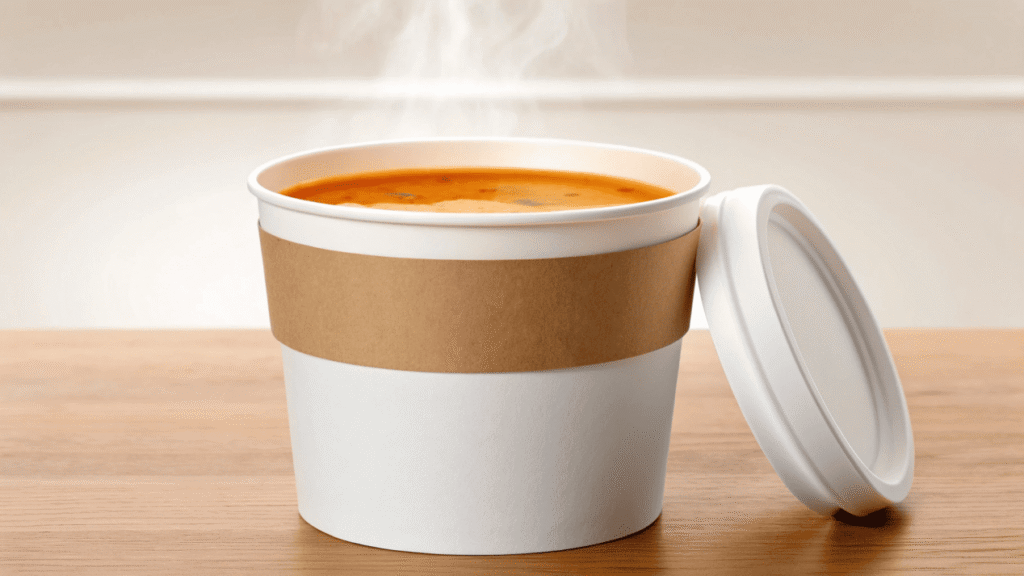
You serve delicious hot soup, but your packaging is a liability. You worry about leaks, cold soup, and unhappy customers. The right bowl is the answer to your problems.
Yes, high-quality paper bowls1 are excellent for soup. Their thick paperboard2 provides great heat retention, precision engineering prevents leaks, and a food-safe lining guarantees safety and structural integrity.
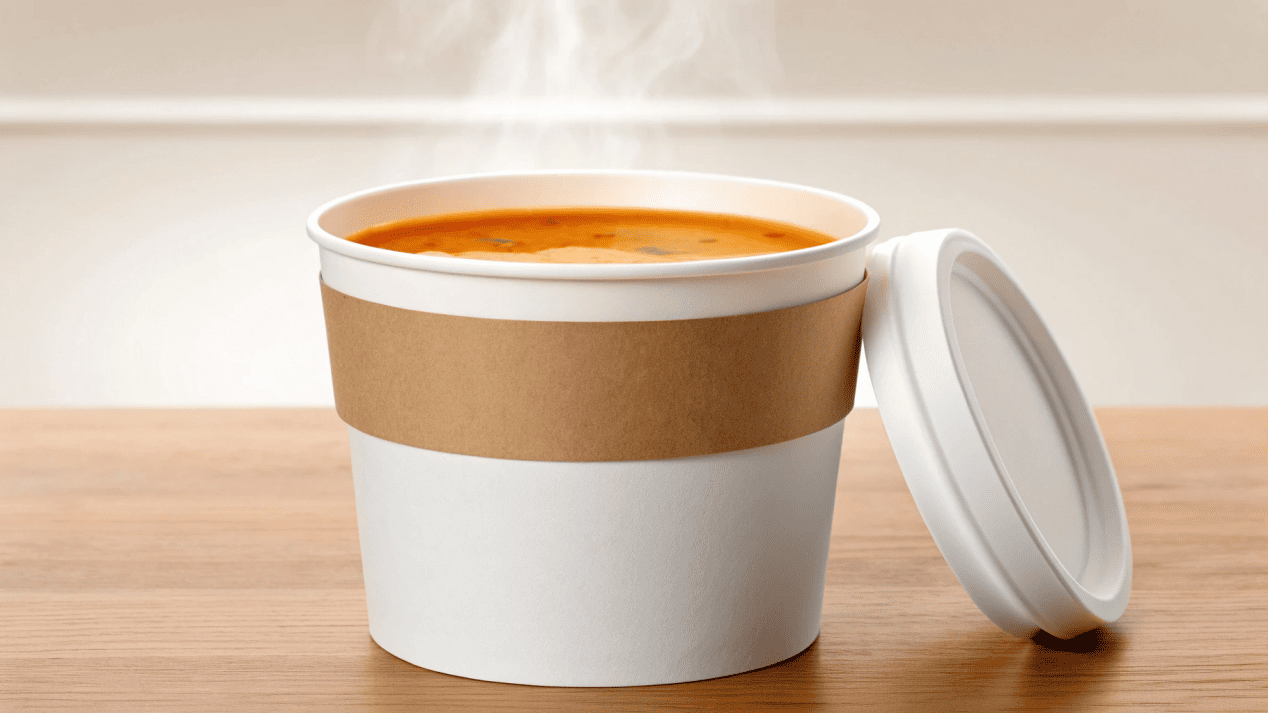
As a packaging engineer for over 21 years, I can tell you that not all paper bowls are created equal. I have seen so many restaurants serve amazing soup in cheap, flimsy bowls. It's a disaster waiting to happen. The right paper bowl is not just a container; it is a piece of food service equipment. It is engineered to perform under pressure. Let me break down how a properly made paper bowl is the perfect solution for serving hot soup.
How Do You Keep Soup Hot in a Paper Bowl?
You serve piping hot soup, but by the time a customer eats it, it's lukewarm. This can lead to bad reviews and lost business. The solution is better insulation.
Keep soup hot by using bowls made from thick, heavyweight paperboard. For the best performance, a double-walled bowl3 traps a layer of air, acting like a thermal flask to keep contents hot for longer.
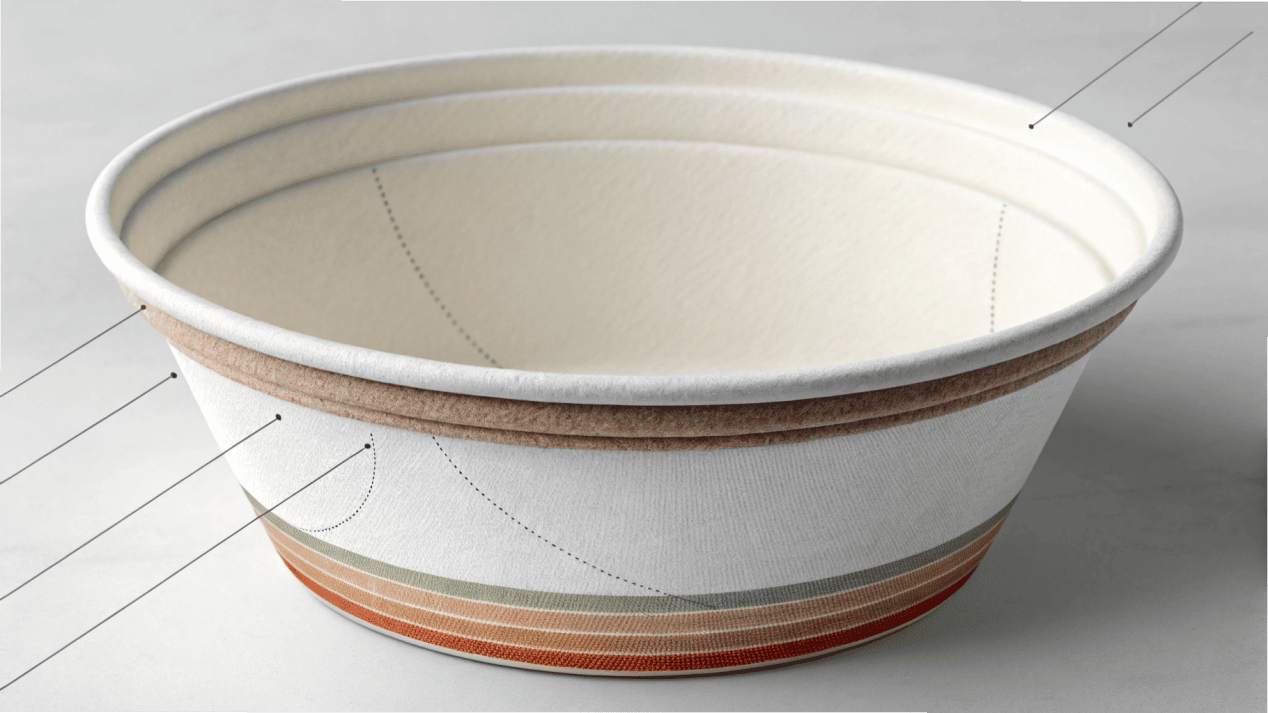
Nobody wants lukewarm soup. The great thing about paper is that it's a natural insulator. The fibrous structure of thick paperboard2 slows down heat transfer much better than thin plastic. But for me, as an engineer, this is where we go deeper. We can control the "grammage4" (the weight and thickness) of the paperboard to maximize this effect. When a client needs superior performance for very hot soups or stews, I always recommend our double-walled bowl3s.
| Bowl Type | Insulation Method | Best For |
|---|---|---|
| Single-Wall | Thick Paperboard | Standard hot foods, cost-effective |
| Double-Wall | Paperboard + Air Gap | Extra-hot soups, extended heat retention |
This design creates a layer of air between the inner and outer walls. This air pocket is a fantastic insulator, keeping the soup deliciously hot and ensuring your customers enjoy it exactly as you intended. It's simple physics, but it requires precision manufacturing to get it right.
How Can You Guarantee a Paper Bowl Won't Leak?
A leaking soup container is the ultimate packaging failure. It creates a mess, it's a burn risk, and it instantly destroys a customer's trust in your brand. I will show you what to look for.
A leak-proof guarantee5 comes from two things: flawless, heat-sealed seams6 and a perfectly formed rim that creates a tight seal with a vented lid7. The bowl and lid must work as a system.
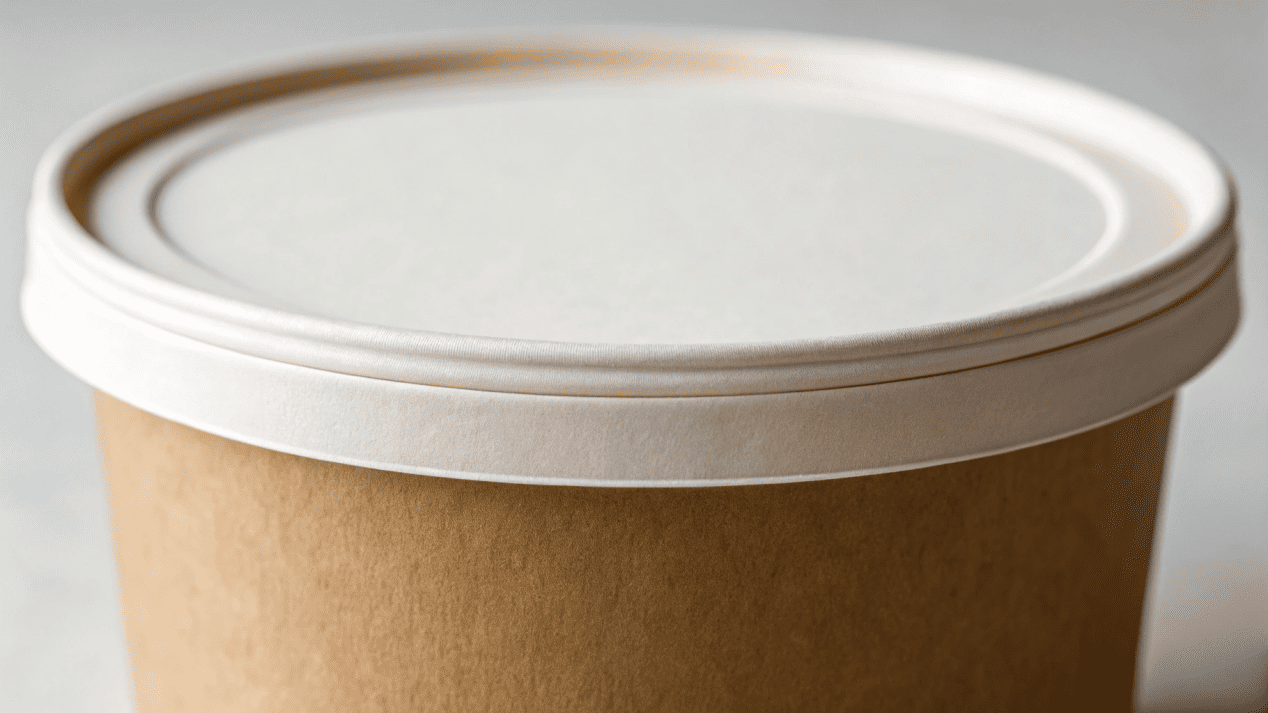
This is where my reputation as a manufacturer is on the line with every single bowl. A leak-proof bowl depends on two things. First is the seam. Our advanced machinery uses heat and pressure to create an incredibly strong seal along the side and bottom of the bowl. We test this constantly; it has to be 100% leak-proof. The second, and equally important, part is the rim. It must be perfectly rolled and rigid. A flimsy rim will bend, and the lid will pop off. This is why I always tell my partners that the bowl and the lid are a single system. My company manufactures both to work together perfectly. Our lids are designed to snap on with a satisfying "click." That click is the sound of a secure, trustworthy seal. We also design our lids with a small vent to let steam escape, which prevents pressure from building up and popping the lid off.
How Can Customers Hold Hot Soup Comfortably?
Your soup is nice and hot, but the container is too hot to hold. Customers are uncomfortable, or you have to pay for extra sleeves, which adds cost and waste. The bowl itself is the solution.
A comfortable holding experience8 comes from the same insulation that keeps the soup hot. Thick paperboard, and especially double-walled construction, keeps the outer surface of the bowl cool to the touch.
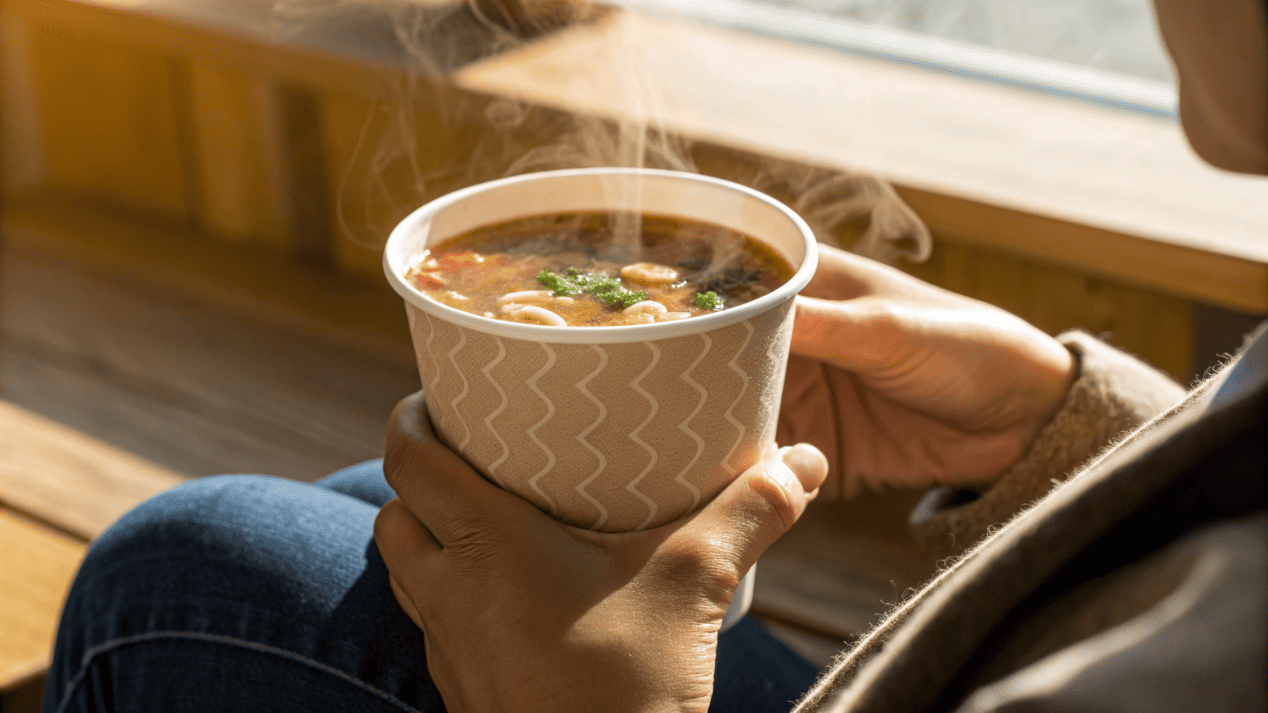
The solution to comfort is the same principle as heat retention. The insulation provided by the paperboard doesn't just keep heat in the soup; it also keeps the intense heat away from your customer's hands. Think about the feeling of holding a flimsy, weak cup versus a sturdy, substantial one. The sturdy bowl gives the customer confidence. It feels like a quality product. For most hot liquids, our standard single-wall bowls made from thick board are comfortable enough to hold. But when a brand wants to provide an extra-premium experience or is serving extra-hot soups, the double-walled bowl3 is the ultimate answer. The outer wall remains perfectly cool to the touch. This completely eliminates the need—and the extra cost and waste—of cardboard sleeves. It's a simple feature that dramatically elevates the customer's perception of your brand's quality.
Are Paper Bowls Truly Safe for Hot Liquids?
Customers worry about chemicals from packaging getting into their food. You cannot risk serving soup in a bowl that gets soggy or might be unsafe. Your customers' safety is everything.
Yes, they are safe when made correctly. A food-grade lining9 (like PE or PLA) creates a waterproof barrier, and the bowl must be made from certified materials10 in a certified facility (FDA, BRC, ISO).
Your customer's safety is my non-negotiable priority. The idea that a paper bowl could get soggy or leach chemicals is a valid concern if you are using low-quality products. Here is how we guarantee safety. First, all modern food-grade paper bowls are lined with a micro-thin layer of Polyethylene (PE) or a compostable alternative like Polylactic Acid (PLA). This lining is the key. It creates a completely waterproof and grease-proof barrier. It ensures the paperboard never gets saturated and loses its strength. More importantly, it ensures the soup only ever touches a completely inert, food-safe surface. Second, the materials and the factory must be certified. I am very proud that my facilities hold FDA, BRC, and ISO certifications. These are not just logos; they are proof that we meet the world's strictest food safety standards. We use only virgin wood pulp and certified-safe linings. You can serve your soup with absolute confidence.
Conclusion
So, yes, paper bowls are fantastic for soup. They offer great branding and, when properly engineered, are the superior choice for heat retention, safety, and customer satisfaction11.
Discover how high-quality paper bowls enhance soup serving with heat retention and leak prevention. ↩
Learn why thick paperboard is essential for maintaining soup temperature and preventing leaks. ↩
Explore the benefits of double-walled bowls in keeping soup hot and comfortable to hold. ↩
Learn how grammage influences the quality and effectiveness of paper bowls for soup. ↩
Find out the key features that make paper bowls leak-proof and reliable for serving soup. ↩
Understand the significance of heat-sealed seams in preventing leaks and ensuring quality. ↩
Learn how a vented lid helps maintain pressure and prevents spills in soup bowls. ↩
Discover how insulation in paper bowls enhances comfort for customers holding hot soup. ↩
Explore the importance of food-grade lining in ensuring safety and preventing sogginess. ↩
Learn about the significance of using certified materials in ensuring food safety. ↩
Explore the relationship between quality packaging and customer satisfaction in dining experiences. ↩