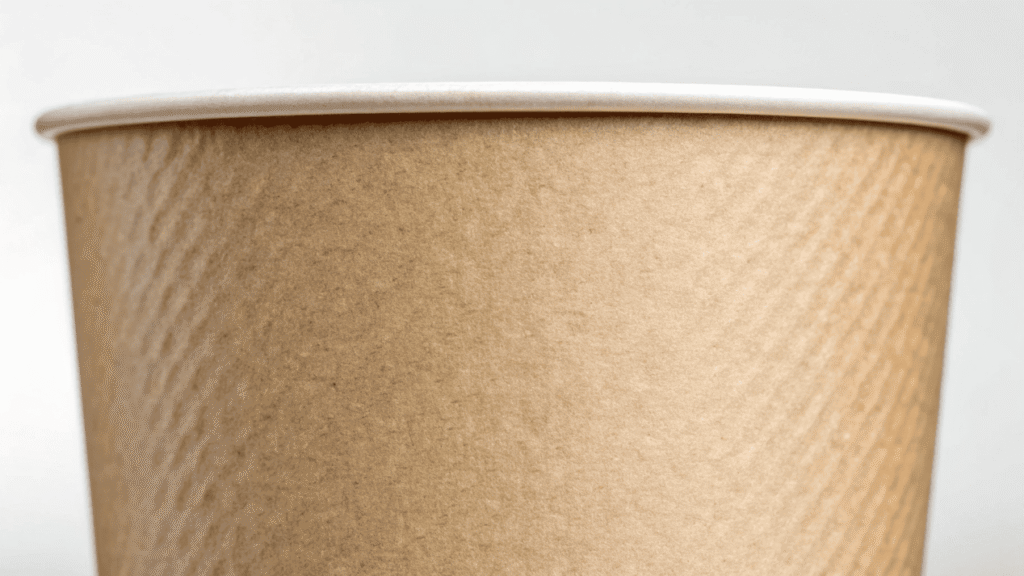
You finish your coffee, hold the empty cup, and pause at the recycling bin. You want to do the right thing, but you're not sure if it’s truly possible.
No, standard paper cups1 with a plastic PE-lining2 are not recycled in practice. They contaminate recycling streams. However, cups with modern, plastic-free coatings are genuinely and widely recyclable in a standard process.
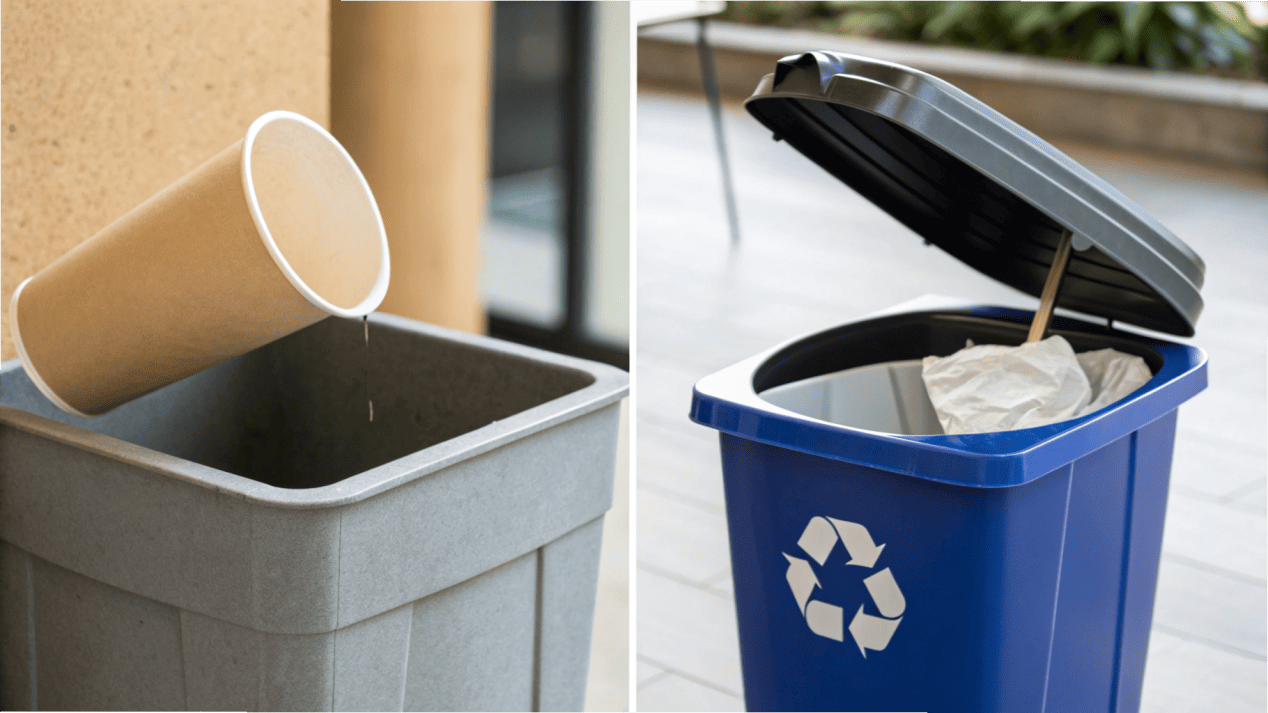
As an engineer in this industry, this is the most common question I get. The honest answer is more complex than a simple yes or no. For decades, the answer has effectively been "no" because of a fundamental design flaw. The good news is, that is finally changing. To understand this, you need to see the whole picture: the recycling process3, the hidden limitation in most cups, and the innovations that are now solving the problem. Let's break it down.
How Is Paper Supposed to Be Recycled?
You toss paper into the blue bin, assuming it all gets remade. But what actually happens? And why do paper cups1 fail this simple, effective process?
Paper is mixed with water in a giant blender called a pulper4 to separate it into fibers. This pulp is then cleaned and pressed into new paper products like cardboard boxes.
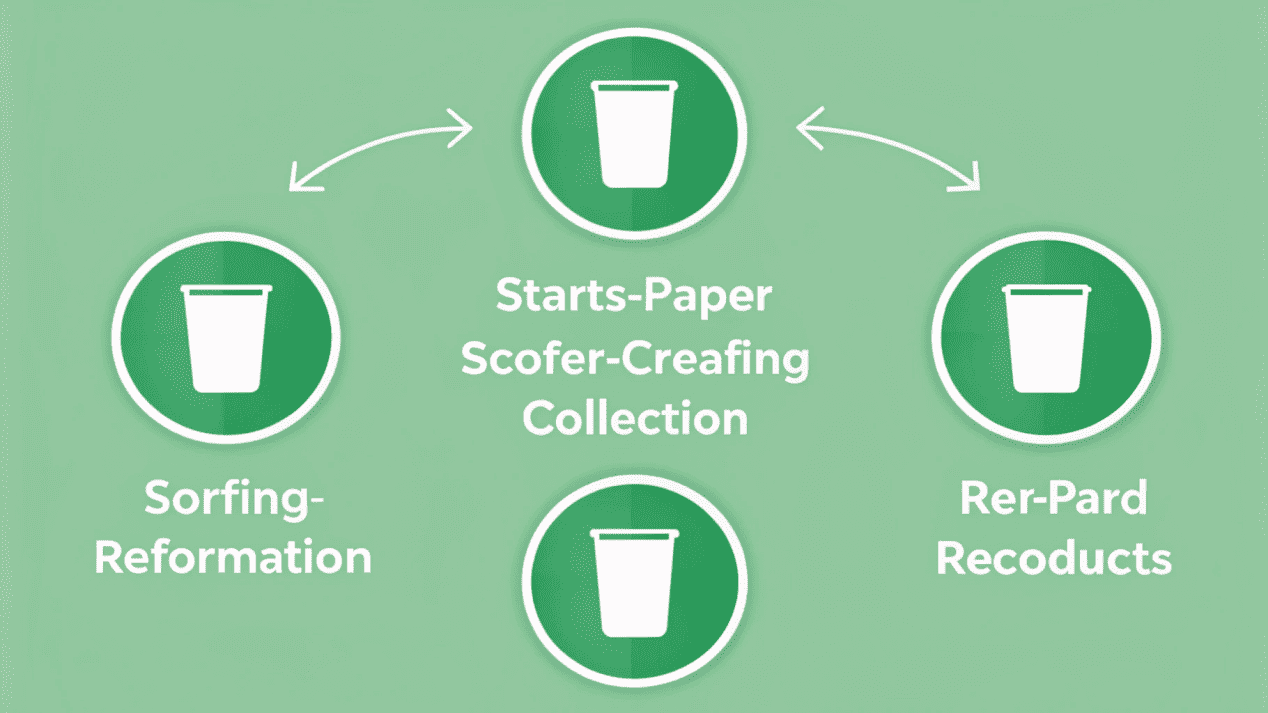
I've visited many paper mills, and the standard recycling process3 is actually quite straightforward. It's a proven system that works incredibly well for things like newspapers and cardboard boxes.
The Standard Process: From Bin to Pulp
Imagine a giant kitchen blender. That's essentially what a "pulper4" is at a paper mill. Recycled paper products are thrown in with water and chemicals and churned into a thick slurry called pulp. This aggressive process breaks the material down into its base paper fibers. The pulp then goes through several cleaning stages to remove inks, staples, and other contaminants. Finally, this cleaned pulp is pressed and dried into large sheets, ready to be turned into new paper goods. This circle of life for paper is highly efficient and has been perfected over many years. Paper cups should be part of this simple process. After all, they are mostly paper. So, where does it all go wrong?
What Stops a Standard Paper Cup From Being Recycled?
A paper cup holds hot coffee without leaking, which seems normal. But the hidden feature that makes it waterproof is the very thing that turns it into trash for recyclers.
The inner plastic (PE) lining is tightly bonded to the paper. Standard recycling equipment cannot separate them, so the entire cup is rejected and sent to a landfill.
The problem inside most paper cups1 is not the paper; it's the plastic. As an engineer, I see this as a critical design flaw that has crippled the industry's sustainability claims5 for decades.
The Hidden Villain: Polyethylene (PE) Lining
To hold liquid, a standard cup is lined with a thin coating of polyethylene (PE) plastic. This plastic film is essentially melted onto the paper fibers. When this cup enters the paper mill's pulper4, the paper part turns to mush, but the plastic lining does not. It just breaks into tiny plastic pieces that contaminate the entire batch of paper pulp. Because only a handful of extremely specialized and rare facilities can separate this lining, over 99% of all PE-lined paper cups1 are rejected by recyclers. They are simply sorted out and sent to a landfill or incinerator.
What About "Compostable" PLA Cups?
You might see cups made from PLA, a "bioplastic," marketed as a green alternative. But these present their own problem. They cannot be recycled with paper—they are a contaminant. They can only break down in industrial composting facilities, which are not available in most cities. So, they also usually end up in a landfill.
Are Consumers to Blame for Recycling Failures?
You hopefully toss your cup into the recycling bin, trying to do good. This act, "wish-cycling6," can actually cause more harm by contaminating the recycling stream.
No. Consumers have good intentions but face confusing packaging. The real problem is products not designed for existing recycling systems, which leads to "wish-cycling6" and contamination.
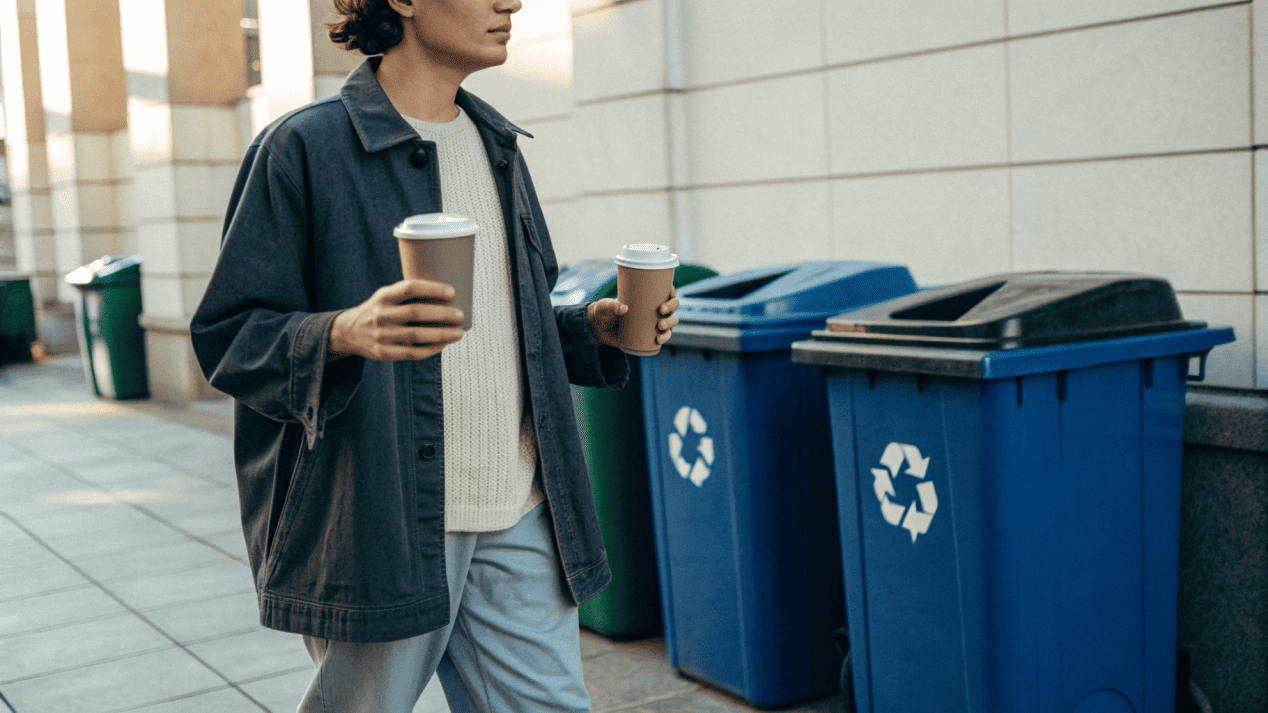
Many people in the industry blame consumer behavior7 for recycling contamination8. I completely disagree. The blame lies with packaging that is confusingly designed. When consumers toss a PE-lined cup into the recycling bin, they are "wish-cycling6"—hoping it gets recycled. Unfortunately, this well-meaning act can cause problems. If too many non-recyclable items enter the stream, they can contaminate entire batches of good material, sometimes forcing the whole lot to be sent to a landfill. I believe it is our job as manufacturers to make disposal easy and foolproof. We must provide a product that works in the real-world recycling system, not just in theory. The consumer shouldn't need a materials science degree to throw away a cup of coffee. The solution is not to re-educate every single person, but to create a better, simpler product.
Is a Truly Recyclable Paper Cup Finally Possible?
For years, the paper cup problem felt hopeless, stuck between landfills and contamination. But new technology, driven by consumer demand, is finally providing a real solution.
Yes. Innovations like plastic-free aqueous coatings9 create a waterproof barrier that easily breaks down in standard recycling pulper4s, making the cups genuinely and widely recyclable.
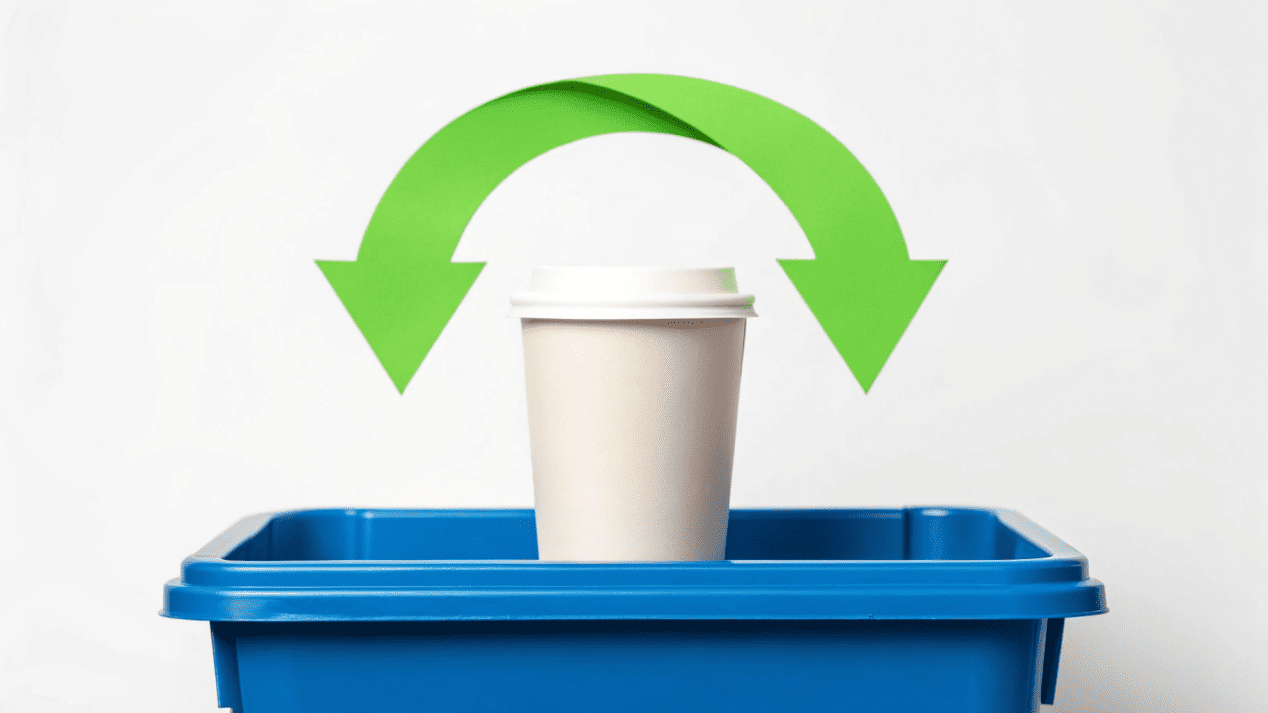
The good news is that the market is finally changing. This is where we at Haokelao have focused all our engineering efforts. The future is not about building more hyper-specialized recycling plants; it's about designing cups that work in the system we already have.
The Breakthrough: Plastic-Free Aqueous Coating
Instead of a PE plastic film made from fossil fuels, our cups use a revolutionary water-based dispersion coating. Think of it as a liquid barrier that is painted on and cures, rather than a separate plastic layer being glued on. This barrier is specifically engineered to be fully compatible with a standard paper mill's pulper4. During the recycling process3, our aqueous coating simply breaks down and washes away from the paper fibers. This leaves behind a clean, high-quality pulp that can be easily made into new products. No special process is needed. No contamination occurs. This one innovation closes the loop, turning a paper cup from a problematic piece of trash into a valuable resource, just like a cardboard box.
Conclusion
A standard cup is not recyclable in practice, but our aqueous coated cups are. The technology now exists to make the right choice a simple one for everyone.
Explore the recycling potential of paper cups and understand the innovations making them eco-friendly. ↩
Learn about the impact of plastic PE-lining on recycling and its environmental implications. ↩
Discover the steps involved in recycling paper and why some products fail to be recycled. ↩
Understand the role of a pulper in recycling and how it affects paper products. ↩
Understand the importance of genuine sustainability claims in product packaging. ↩
Learn about the concept of wish-cycling and its effects on recycling efforts. ↩
Explore how consumer choices influence recycling systems and contamination. ↩
Learn about the factors leading to contamination in recycling streams. ↩
Discover how aqueous coatings are revolutionizing the recyclability of paper cups. ↩