Choosing 'green' cups is confusing. You might be paying more for packaging that still ends up in a landfill, unknowingly damaging your brand's reputation.
Focus on the inner coating. Choose cups with a water-based (Aqueous) coating1, and partner with a transparent vendor holding FSC certification2 who engineers for efficiency. This ensures true recyclability and value.
As an engineer in this industry for over 15 years, I've seen countless brands get tricked by clever marketing. The word "eco-friendly" can mean anything. But real sustainability isn't about marketing buzzwords; it's about science and smart business choices. The good news is that it's not as complicated as it seems once you know what to look for. Let's break down the four critical areas you need to evaluate, starting with the most important part of any paper cup: the material itself.
What Makes a Paper Cup Truly Recyclable?
Your cups say "recyclable" but likely end up in landfills. This happens because of the hidden plastic liner inside, which recycling facilities cannot process properly.
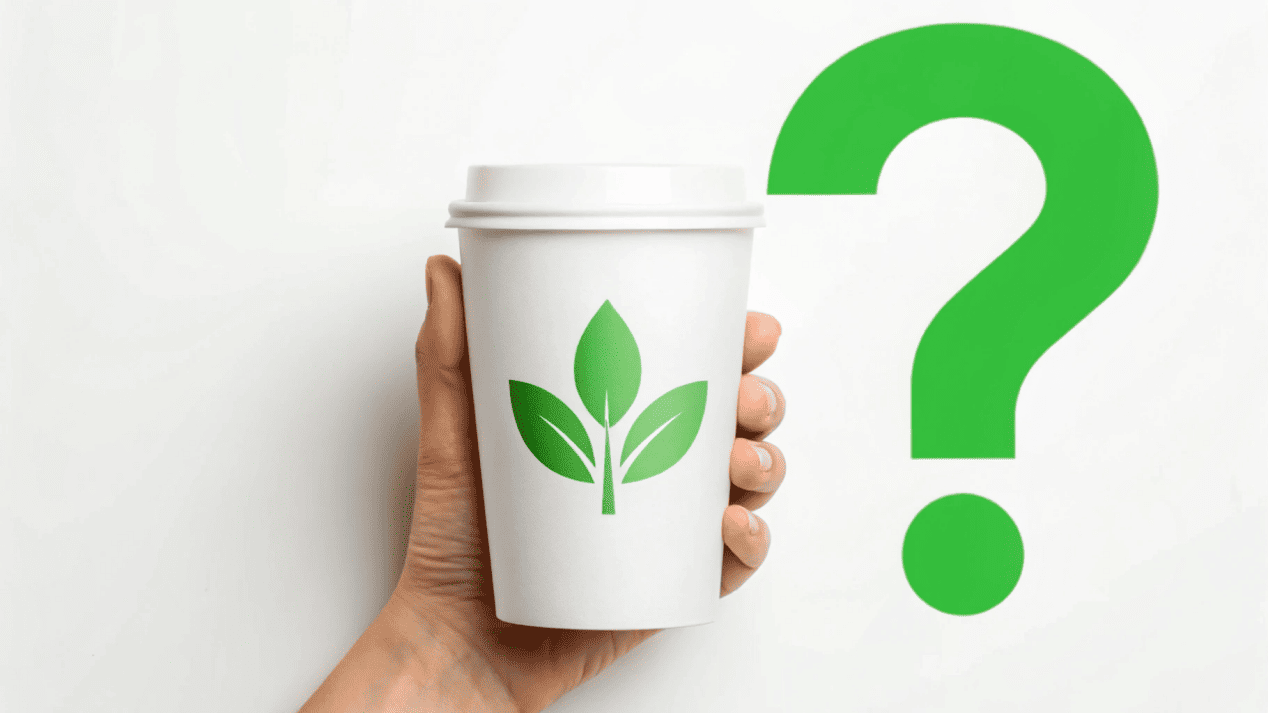
A truly recyclable cup3 uses a modern water-based (Aqueous) coating1 instead of a plastic (PE/PLA) liner. This coating dissolves completely during recycling, allowing the paper fibers to be cleanly recovered.
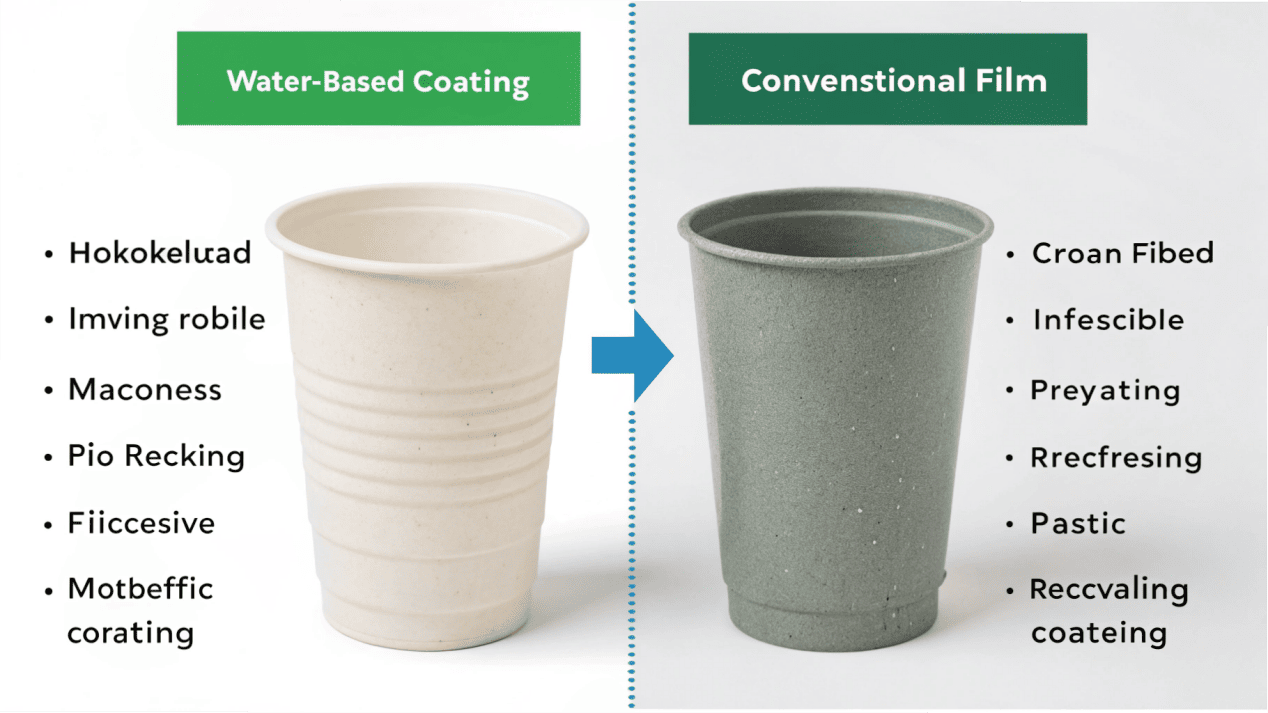
The single biggest challenge for recycling a paper cup is its waterproof lining. In our labs, we've tested every material, and how they behave in a recycling mill is completely different. Traditional cold cups use a plastic PE (polyethylene) coating4. While it works, it's the main villain. When these cups are shredded into a slurry with water, the plastic film doesn't break down. It gums up the machinery and contaminates the paper fibers. The same issue applies to PLA, a plant-based plastic. It needs special industrial composting facilities that most areas don't have, so it also acts as a contaminant in standard paper recycling.
The Real Innovation: Aqueous Coating
The solution is a technology called Aqueous, or water-based, coating.
- It is not a separate layer: It is a liquid solution applied to the paper that dries into a barrier.
- It is designed for recycling: During the repulping process, it simply dissolves away.
- It is highly effective: This allows up to 98% of the valuable paper fibers to be recovered and turned into new products.
When choosing a cup, this is the most critical question to ask: "What is the barrier, and can it be recycled in a standard mill?"
Is Your Supplier a Partner or Just a Salesperson?
You may just order cups from the cheapest vendor you can find. But a bad supplier can cause operational headaches5, increase costs, and damage your brand's reputation.
A true partner offers transparency, holds key certifications like FSC and BRC, and engineers for your efficiency with features like lid consolidation6 that save you money and simplify your operations.
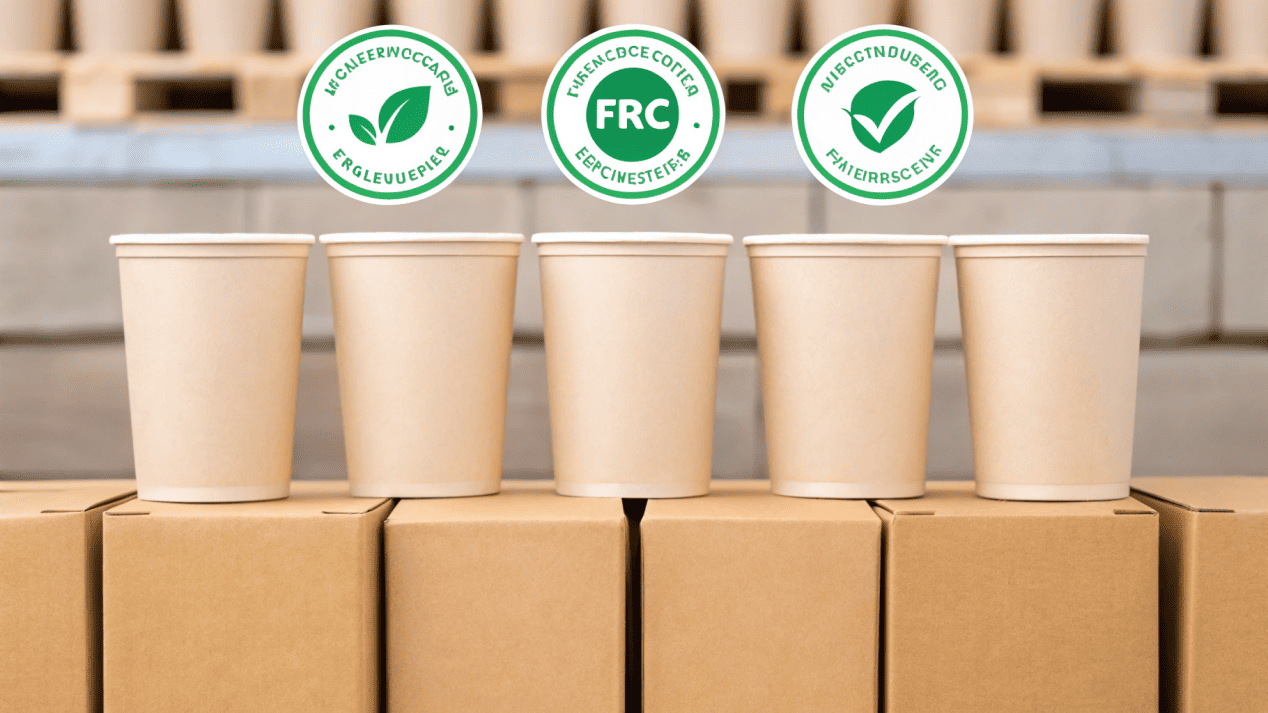
The company you buy from is just as important as the cup you buy. A great supplier is a partner who actively helps your business succeed. When I consult with my clients, I tell them to look for three things.
First, Material Transparency. Your partner should explain the pros and cons of PE, PLA, and Aqueous coatings clearly, helping you choose what's best for your region's recycling capabilities.
Second, Proof in Certifications. Look for internationally recognized certifications. FSC (Forest Stewardship Council) proves the paper comes from responsibly managed forests. Certifications like BRC and ISO demonstrate a commitment to safety and quality. These are not just logos; they are non-negotiable proof of a vendor's commitment.
Finally, Engineering for Your Profit. A great partner thinks about your entire operation. For example, at Haokelao, we design our cups so multiple sizes can share the same lid. This lid consolidation6 strategy drastically reduces your inventory costs, frees up cash, and speeds up service during a busy rush.
Are Your Cups Helping or Hurting Your Marketing?
You see your paper cups as a simple operational cost. But in your customer's hand, that cup is a billboard making a clear statement about your brand's values.
Today's consumers prefer to buy from authentic sustainable brands7. A sturdy, beautifully printed, truly recyclable cup3 becomes a social media advertisement that showcases your commitment to quality and the planet.

Your choice of cup is a powerful marketing tool. Consumer behavior has changed. Studies show that a majority of customers, especially younger generations like Millennials and Gen Z, actively choose brands that show a real commitment to sustainability. A flimsy, generic cup sends a message of cheapness. A sturdy, well-designed, truly recyclable cup3 communicates quality and care. It tells your customer that you don't cut corners. This cup is often the star of their social media posts. Our aqueous-coated cups can be printed with vibrant, eco-friendly inks8, turning every drink you sell into beautiful advertising that says, "We care." This isn't an expense; it is a direct investment in your brand's image and a way to connect with the values of your best customers.
Is Sustainable Packaging Really More Expensive?
You worry that truly sustainable cups are too expensive for your budget. But choosing the cheapest option can cost you customers, brand reputation, and future compliance headaches.
While the upfront unit price may be slightly higher, its return on investment is far greater through marketing value9, operational savings from lid consolidation6, stronger brand loyalty, and future-proofing your business10.

The most common objection I hear about sustainable packaging is cost. It is time to reframe that question. Instead of asking about the price of the cup, we should ask about its value.
What is the cost of doing nothing? Losing eco-conscious customers to a competitor? Damaging your brand by being seen as environmentally indifferent? The real cost-benefit analysis11 is clear.
Your Return on Investment (ROI)
| ROI Component | The Value You Gain |
|---|---|
| Marketing Value | Your cup becomes a walking billboard with a "100% Recyclable" message. |
| Operational Savings | Lid consolidation cuts inventory costs, saves storage space, and reduces labor time. |
| Brand Equity | Aligning with customer values12 builds a loyal following that is less price-sensitive. |
| Future-Proofing | Adopting truly recyclable solutions now puts you ahead of tightening environmental regulations. |
An advanced aqueous-coated cup13 is a smart investment that pays for itself through brand growth and operational efficiency.
Conclusion
Choosing a truly sustainable cup is a smart business decision. Focus on aqueous coating, a true partner, and the long-term value to grow your brand and your profits.
Explore this link to understand how Aqueous coating enhances recyclability and sustainability in packaging. ↩
Learn about FSC certification to ensure your packaging comes from responsibly managed forests, enhancing your brand's credibility. ↩
Discover the key features that define a truly recyclable cup and how it impacts the environment. ↩
Find out why plastic PE coatings are problematic for recycling and how they affect sustainability. ↩
Understand the risks of choosing the wrong supplier and how it can affect your business operations. ↩
Understand how lid consolidation can streamline operations and reduce inventory costs for your business. ↩
Learn what makes a brand sustainable and how it influences consumer choices and loyalty. ↩
Discover the advantages of using eco-friendly inks in packaging and their impact on brand image. ↩
Explore how effective packaging can enhance your marketing strategy and attract eco-conscious consumers. ↩
Learn about the importance of future-proofing your business against environmental regulations and market trends. ↩
Understand how to conduct a cost-benefit analysis to evaluate the true value of sustainable packaging. ↩
Discover how aligning with customer values can build loyalty and impact your brand's success. ↩
Explore the benefits of advanced aqueous-coated cups and how they can enhance your brand's sustainability efforts. ↩