
QSRs face immense pressure to be sustainable, but the path is complex. A single misstep with your packaging can damage your brand's reputation and lead to costly compliance issues1.
Paper cups are a cornerstone of QSR sustainability. They support your goals through a transparent supply chain, waste-reducing materials, on-pack consumer education2, and proactive compliance with future regulations.

I speak with QSR executives all the time. They are focused on big-picture sustainability targets like energy and food waste, which is fantastic. But they often overlook the most visible symbol of their commitment: the cup that every single customer holds in their hand. Your choice of cup is a tangible statement. It tells a story about your brand's values, from the forest where the paper was grown to the bin where it will be disposed of. Let's break down how to make sure it's telling the right story.
Where Does Your Paper Cup Really Come From?
You assume your cups are sourced responsibly. But a hidden problem in your supply chain, like paper from an uncertified forest, can become a very public nightmare for your brand.
A sustainable supply chain3 is your best defense. It guarantees your paper comes from certified forests4 (FSC) and is made in safe, audited facilities (BRC5), protecting your brand from risk.
As an engineer, my world is built on verifiable processes. True sustainability starts long before a cup reaches your counter. It starts with a supply chain you can trust. For large QSRs, the brand risk associated with an unclear supply chain is enormous. You need to know where your paper comes from. This isn't just about feeling good; it's about protecting your business. We provide our QSR partners with complete peace of mind by building a chain of trust. This means sourcing raw materials from sustainably managed forests certified by bodies like the Forest Stewardship Council (FSC). It means manufacturing in facilities that meet global food safety standards like BRC5. It ensures every component is traceable and safe.
| Supply Chain Strategy | Raw Material Sourcing | Manufacturing Standards | Brand Risk |
|---|---|---|---|
| The Old, Risky Way | Unclear, uncertified sources | Unknown, unaudited | High (PR crises, lawsuits) |
| The Strategic Solution | Certified (e.g., FSC) | Certified (e.g., BRC5, ISO) | Low (Protected, defensible) |
Choosing a partner like us means you are not just buying a cup; you are integrating a fully vetted, sustainable, and reliable supply chain into your business model.
Is Your Cup Designed to End Up in a Landfill?
Your bins are overflowing, and you know a big part of the problem is cups. Traditional plastic-lined cups6 are difficult to recycle, creating massive landfill waste7 and damaging your brand's green image.
Reduce waste by design. Switch from plastic (PE) linings to our 100% plastic-free Aqueous Coated cups8 that are easily recycled, and consolidate lid sizes to slash plastic waste.
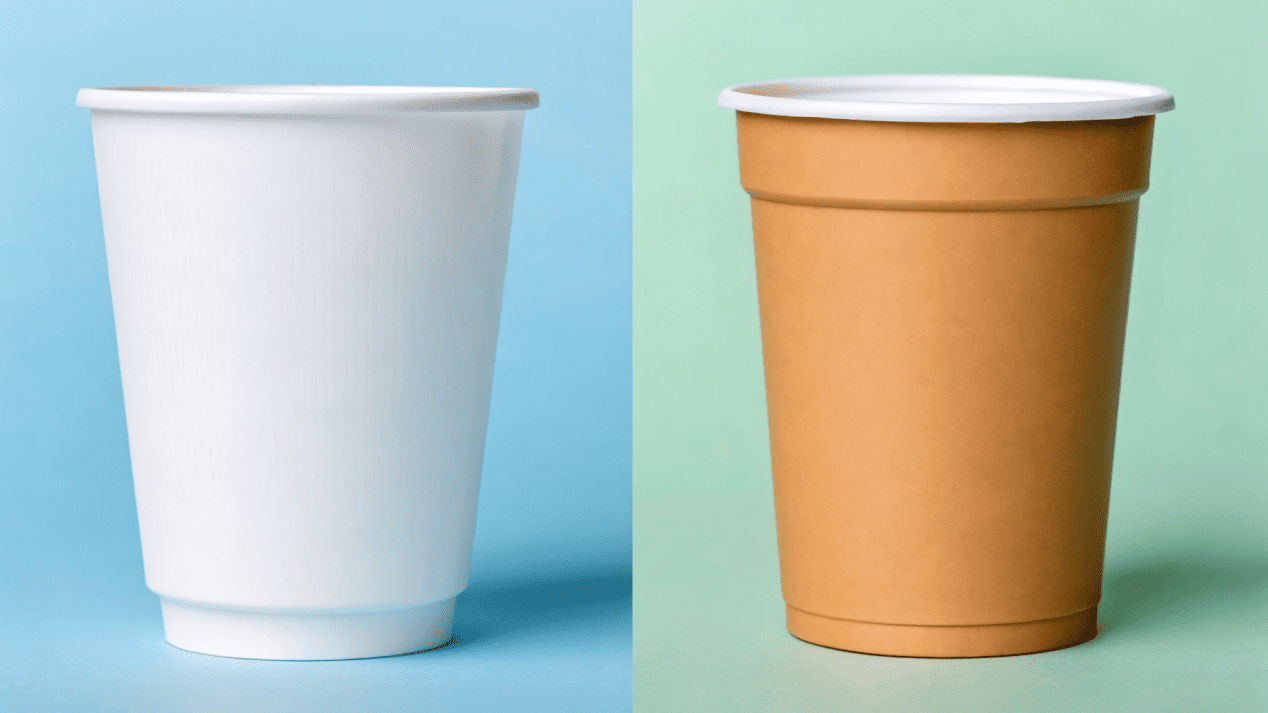
The biggest sustainability challenge for any QSR is waste. I've spent years working on this problem with my engineering team. The standard paper cup has a secret flaw: a thin layer of polyethylene (PE) plastic fused to the paper. This plastic lining makes it waterproof but also makes it a nightmare for recyclers. Most facilities can't separate the plastic from the paper, so the cups end up in landfills. The solution is to design the problem away. Our industry-leading Aqueous Coating is a water-based dispersion that acts as a barrier. It is 100% plastic-free, so the cup can be recycled in standard paper waste streams. This is a game-changer for QSRs serious about reducing their footprint.
| Cup Technology | Core Material | Recyclability | Environmental Impact |
|---|---|---|---|
| Traditional PE Cup | Paper + Plastic Film | Difficult, often landfilled | High landfill diversion rate |
| Aqueous Coated Cup | Paper + Water-Based Barrier | Easy, in standard paper stream | Dramatically lower footprint |
When you combine this with smart system design, like using one lid for multiple cup sizes, you attack waste from two directions.
Do Your Customers Know How to Recycle Your Cups?
You’ve invested in recyclable packaging9. But your customers are confused by unclear symbols and toss the cups in the trash anyway, completely wasting your effort and investment.
Turn your cup into a clear instruction manual. Simple on-pack messages like "100% Plastic-Free & Recyclable" empower customers to dispose of it correctly, making your program a success.

I once watched a customer stand in front of a recycling bin at a client's restaurant. He held the cup, looked at the bin, looked back at the cup, and finally just gave up and threw it in the trash. It was a lightbulb moment for me. Even the best sustainability program will fail if the end-user doesn't know what to do. This is called "wish-cycling10"—people want to do the right thing but are confused. Your cup is the perfect place to solve this. It's a blank canvas to communicate your commitment and provide simple guidance. We work with our QSR clients to print clear, effective messages. This small detail turns every cup from a potential piece of trash into a testament to your brand's leadership in sustainability.
| On-Cup Messaging | Customer Action | Result |
|---|---|---|
| Vague (e.g., a symbol) | Confusion, guess-work | Low recycling rates, contamination |
| Clear (e.g., "Plastic-Free") | Confidence, correct disposal | High recycling rates, real impact |
This simple act of communication closes the loop and ensures your investment in sustainable materials actually pays off.
Is Your Packaging Ready for Tomorrow's Laws?
You operate in multiple cities, states, or countries. A patchwork of single-use plastic bans11 is emerging, threatening your business with fines, bad press, and costly, last-minute operational changes.
Future-proof your business by adopting plastic-free packaging now. Our Aqueous Coated cups8 are already compliant with the world's strictest regulations, making you resilient to future policy changes.
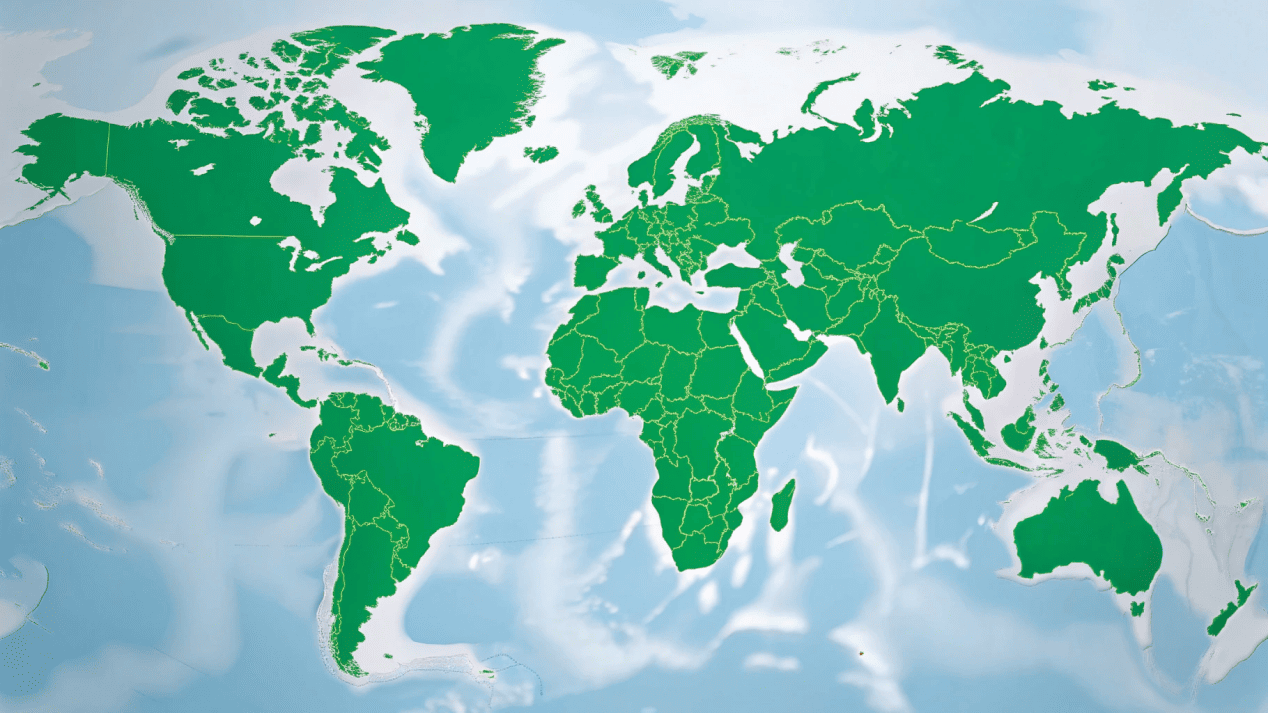
The regulatory landscape is tightening fast. From the EU's Single-Use Plastics Directive to local bans across North America and Asia, governments are cracking down. As a supplier to over 80 countries, we have to be experts on these rules. A reactive strategy—waiting for a ban to hit your region and then scrambling to find a solution—is incredibly risky and expensive. The smart move is a proactive one. Adopt a packaging solution that is already ahead of the curve. Our Aqueous Coated cups8 were specifically engineered to meet and exceed the world's toughest plastic-reduction policies. Choosing this technology is not just an environmental decision; it is a strategic business decision12 to de-risk your operations and future-proof your QSR against the regulations of tomorrow, today.
| Strategy | Action | Cost & Risk |
|---|---|---|
| Reactive | Wait for regulations, then scramble | High cost, supply chain chaos, fines |
| Proactive | Adopt compliant solutions early | Planned cost, smooth transition, peace of mind |
Partnering with us gives you a key to regulatory compliance, wherever you operate.
Conclusion
Your paper cup is a strategic asset. Make it a powerful tool for sustainability and compliance, turning a potential liability into a competitive advantage for your QSR.
Explore common compliance challenges in sustainability and how to address them. ↩
Explore strategies for educating consumers through packaging to boost recycling rates. ↩
Understanding sustainable supply chains can help you ensure your materials are responsibly sourced. ↩
Learn how certified forests play a crucial role in sustainable sourcing and environmental protection. ↩
Explore the importance of BRC certification in ensuring safe manufacturing practices. ↩
Find out the recycling challenges posed by plastic-lined cups and their impact on waste. ↩
Understand the environmental consequences of landfill waste and how to mitigate them. ↩
Discover how Aqueous Coated cups can significantly lower your environmental footprint. ↩
Learn how effective recyclable packaging can enhance your sustainability initiatives. ↩
Understand the concept of wish-cycling and its implications for recycling success. ↩
Stay informed about the impact of single-use plastic bans on your operations and compliance. ↩
Understand the characteristics of strategic business decisions and their importance. ↩