You recycle your paper cup, thinking you've done the right thing. But most cups end up in a landfill. The invisible plastic lining1 inside is the hidden problem.
No. Most paper cups cannot be easily recycled because their plastic (PE) lining clogs standard paper recycling machinery. Only cups with a modern, water-based "Aqueous" coating can break down and be recycled effectively.
As an engineer in the packaging industry for over 15 years, I have seen the journey of a paper cup from our factory to the customer's hand, and beyond. The truth about what happens next is uncomfortable. The system is failing, but not for the reasons you might think. It is a problem of chemistry, technology, and old infrastructure. To make better, more sustainable choices2, you first need to understand the single biggest barrier that determines if a cup will be recycled or end up in a landfill.
What Really Stops a Paper Cup from Being Recycled?
You pick a paper cup to be eco-friendly. But a hidden plastic layer inside turns it into landfill waste. The type of waterproof barrier changes everything.
The main barrier is the traditional plastic (PE) lining. It doesn't dissolve in the recycling process and contaminates the paper pulp3. Only cups with a water-based Aqueous coating4 can be recycled easily.
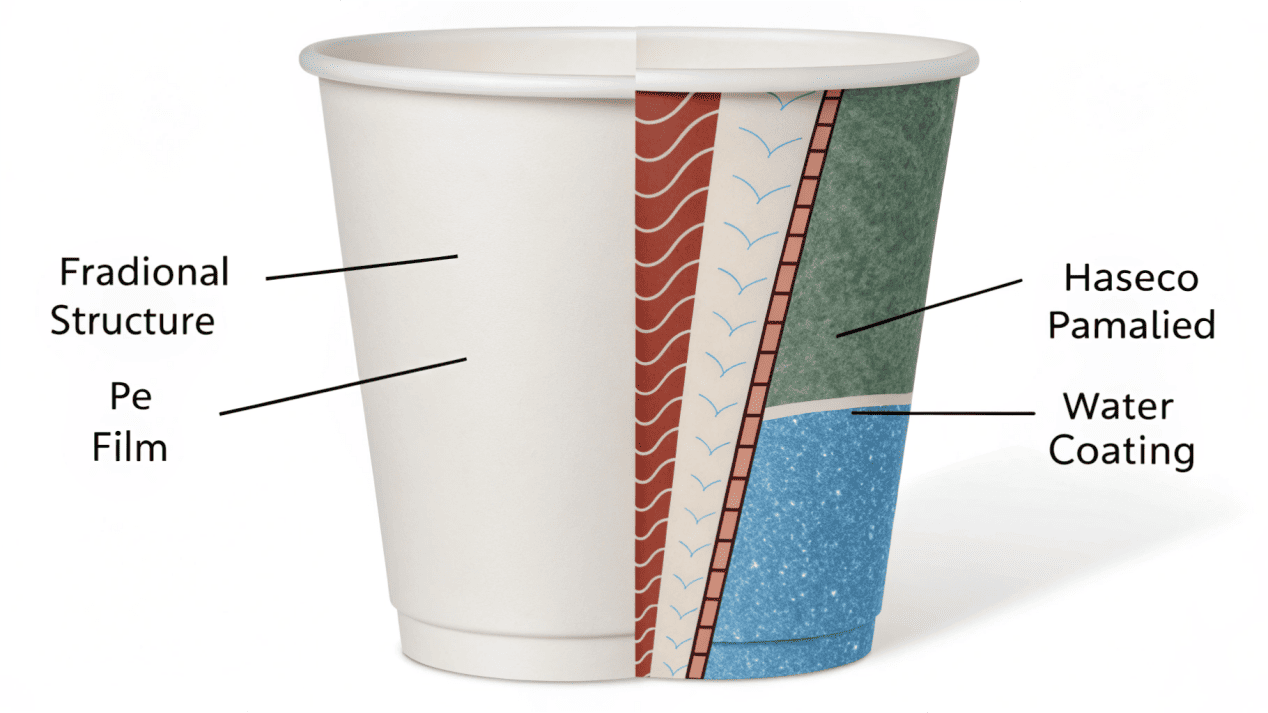
A paper cup has one essential job: to hold liquid without getting soggy. To do this, we apply a waterproof barrier to the paper. This invisible layer is the most critical factor in a cup's recyclability. I have worked with all of these materials in our labs, and their performance in a recycling facility is completely different.
The Three Main Types of Coatings
| Coating Type | The Technology | Real-World Outcome |
|---|---|---|
| PE (Polyethylene) | A traditional plastic film laminated to the paper. | The primary problem. Standard recycling mills cannot separate the plastic. It gums up the machinery, contaminates the paper pulp3, and the entire cup is sent to a landfill. |
| PLA (Polylactic Acid) | A "bio-plastic" made from corn starch. | A good step, but it is compostable5, not recyclable. If it enters a paper recycling stream, it acts as a contaminant just like PE plastic. |
| Aqueous Coating | A water-based, plastic-free barrier sprayed onto the paper. | The game-changer. This coating breaks down easily in water, allowing the paper fibers to be cleanly recovered in standard recycling mills. This is the technology we champion at Haokelao. |
Why Can't Recycling Plants Handle Most Paper Cups?
Your city has a recycling program, so you assume your cup is safe. But their machines are not built for the plastic lining1, so the cup gets thrown out anyway.
Most recycling plants6 (MRFs) are not equipped to separate the plastic lining1 from the paper. They often sort plastic-coated cups as trash to avoid contaminating the entire, more valuable paper stream.
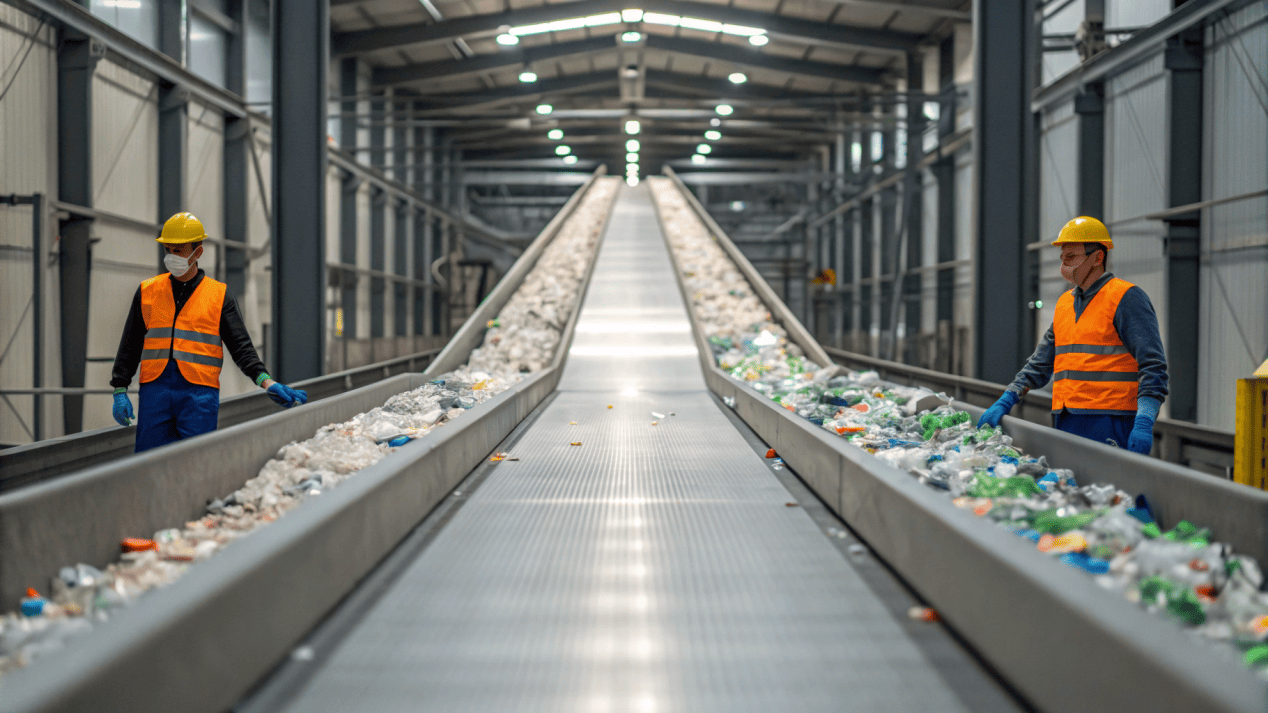
A cup might be technically recyclable, but that is meaningless if your local recycling facility cannot process it. These plants, known as Material Recovery Facilities7 (MRFs), are businesses. Their goal is to efficiently sort materials to be sold. The vast majority of MRFs are set up to handle pure paper, cardboard, glass, and some plastics. They are not designed for hybrid materials8 like a plastic-coated paper cup.
The Facility Lottery
When a plastic-coated cup enters one of these facilities, one of two things happens:
- It is identified: The sorting machinery or human workers recognize it as a contaminant. To protect the value of the entire paper batch, they pull the cup out and send it directly to a landfill.
- It is missed: The cup slips through and gets mixed in with other paper. During the pulping process, its plastic lining1 fails to break down, contaminating the paper slurry and ruining the whole batch.
This is why we have invested so heavily in Aqueous Coating. These cups do not require special facilities. They can be processed just like a cardboard box, which dramatically increases their chance of actually being recycled.
Why Is It So Confusing to Know What Is Recyclable?
You see the chasing arrows symbol9 and feel confident recycling the cup. But that symbol can be misleading, creating confusion that sends good materials to the landfill.
Recycling labels are not standardized and can be misleading. The famous chasing arrows symbol9 does not guarantee a product is recyclable in your area. This confusion leads to contamination and waste.
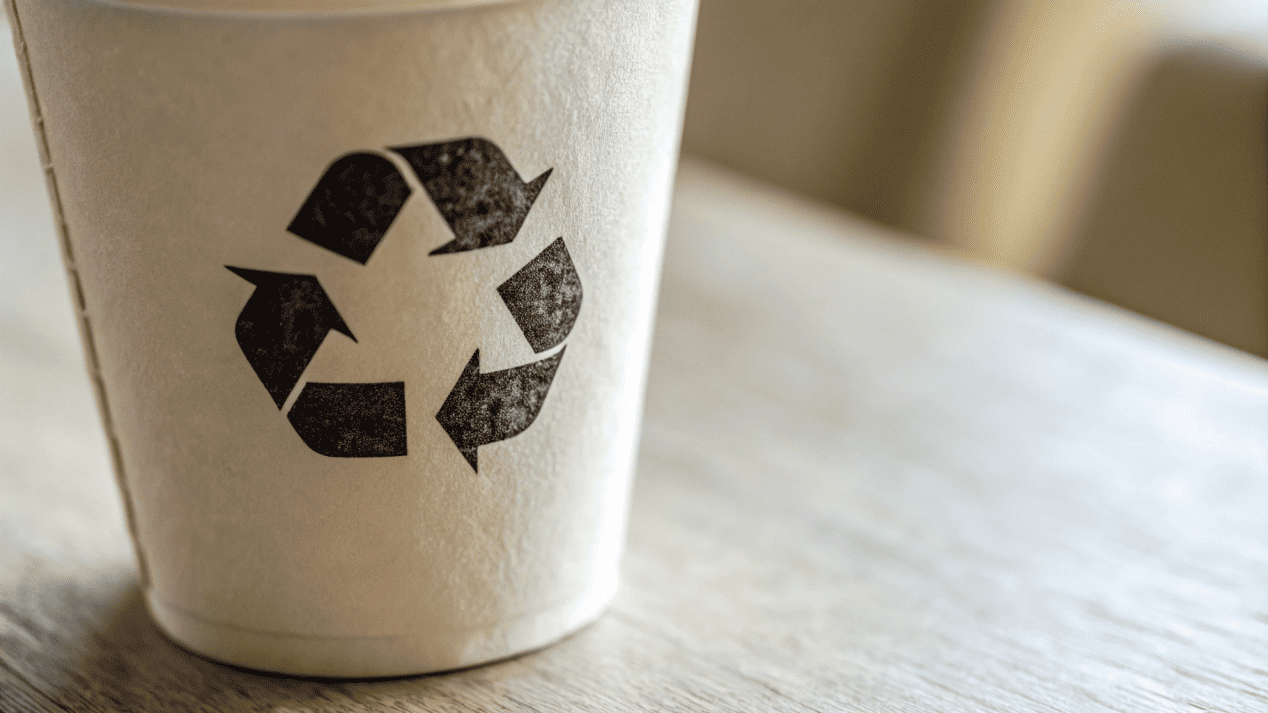
Even with the right technology, the system often breaks down due to poor communication and inconsistent rules. This creates a huge gap between what people think they can recycle and what the system can actually handle.
A System Breakdown
There are two major problems here. First, there is the issue of misleading symbols. The "chasing arrows" symbol we all know does not always mean a product is recyclable everywhere. There is no universal, legally enforced standard, which creates massive confusion for consumers. A brand can put the symbol on a cup that almost no facility in the world can actually process. Second, there are the practical challenges of collection. A cup is often thrown away with leftover coffee, a plastic lid, and a straw. This contamination can disqualify the entire item from the recycling stream, even if the cup itself is made from recyclable material10. Clear government policies and standardized, honest labeling are essential to closing this gap.
Conclusion
Most paper cups fail recycling because of their plastic lining1. To ensure a cup gets a second life, choose modern, plastic-free options that are designed for today's recycling systems.
Understanding the role of plastic lining is crucial for making informed recycling choices. ↩
Discover practical tips for making eco-friendly packaging decisions. ↩
Find out how contamination impacts the quality and efficiency of paper recycling. ↩
Explore how Aqueous coating technology can revolutionize recycling processes. ↩
Understanding compostable materials can help you make better eco-friendly choices. ↩
Learn about the operational hurdles recycling plants encounter with paper cups. ↩
Discover how MRFs operate and their importance in the recycling ecosystem. ↩
Learn about the complexities of recycling hybrid materials like plastic-coated paper. ↩
Uncover the truth behind the chasing arrows symbol and its recycling implications. ↩
Understanding regional recycling rules can help you recycle more effectively. ↩