Your paper cups have a plastic secret. This makes them hard to recycle, creating landfill waste. We are pioneering new coatings to finally make them truly sustainable.
We are replacing traditional plastic (PE) with innovative coatings like compostable PLA1, made from plants, and recyclable water-based solutions2. These new barriers perform perfectly while being much better for the environment.
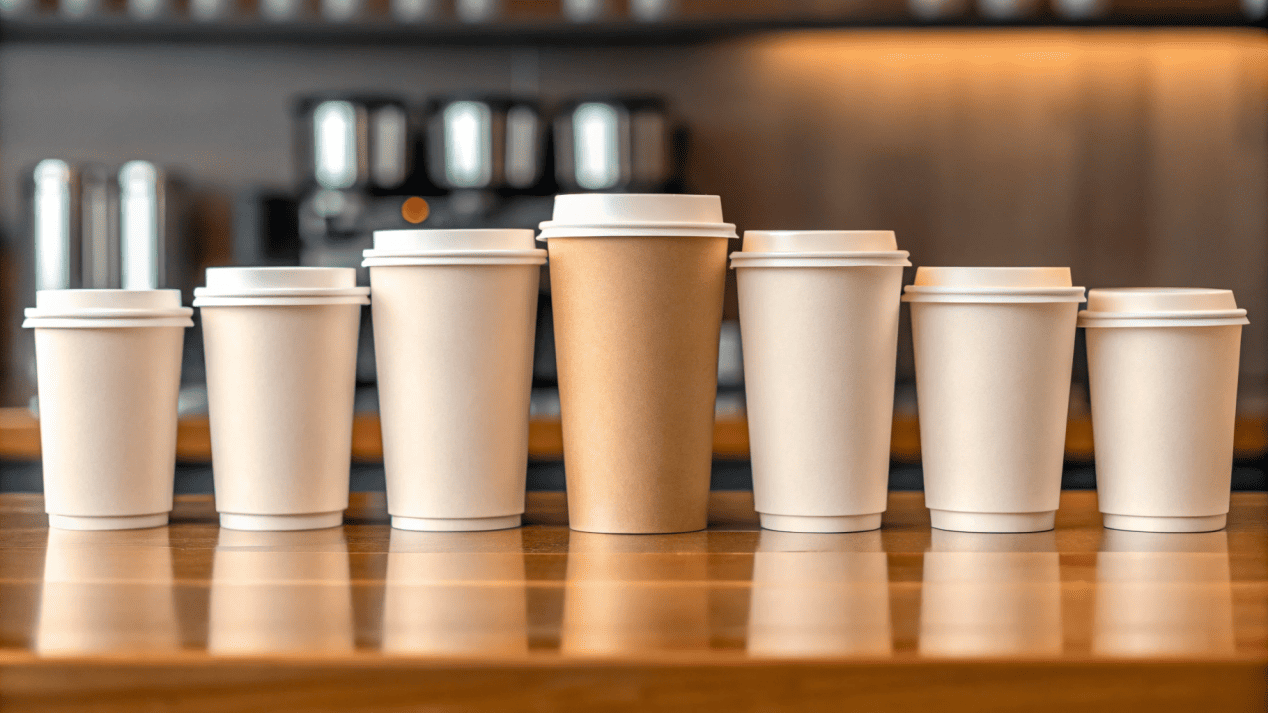
For decades, the humble paper cup has hidden a compromise: a thin layer of plastic that made it waterproof but also impossible to recycle easily. At my company, our 21-year journey has been one of relentless innovation. We are not just manufacturing cups; we are engineering the future of them. As an engineer who has dedicated years to this challenge, I want to show you exactly how we are solving it with a revolution in coating technology.
What Are the Alternatives to a Traditional Plastic Coating?
You want to offer eco-friendly cups, but the options seem confusing. You worry they will not perform as well as the plastic-coated cups you are used to.
We replace plastic with two main innovations: PLA bioplastic3, which is made from corn starch and is commercially compostable, and advanced water-based coatings4 that allow the cup to be recycled like regular paper.
The goal is simple: create a barrier that works just like plastic but vanishes responsibly at the end of its life. To achieve this, my team and I have focused our efforts on two cutting-edge pathways that are changing the industry.
Pathway 1: Compostable Bioplastics (PLA)
PLA, or Polylactic Acid, is a bioplastic derived from renewable plant resources like corn starch. It offers the exact same water and grease resistance as the traditional Polyethylene (PE) plastic you find in most cups. Its superpower, however, is that it is commercially compostable. Instead of sitting in a landfill for centuries, a PLA-coated cup can break down completely into organic matter in an industrial composting5 facility. It completes a natural, circular cycle from plant to cup and back to the soil.
Pathway 2: Recyclable Water-Based Coatings
This is one of the most exciting frontiers in packaging. Instead of laminating a plastic film onto the paper, we apply a specialized water-based liquid. When this liquid dries, it forms a high-performance barrier that repels water and grease. The huge advantage here is that it is not a separate plastic layer. This means paperboard with an aqueous coating can often be recycled directly within the standard paper recycling stream, which massively simplifies the end-of-life process.
| Coating Type | Source Material | Primary End-of-Life |
|---|---|---|
| Traditional PE | Petroleum (Fossil Fuel) | Landfill |
| PLA Bioplastic | Corn Starch (Renewable) | Industrial Composting |
| Aqueous (Water-Based) | Water & Polymers | Paper Recycling Stream |
Can Eco-Friendly Coatings Really Handle Hot Coffee and Greasy Food?
You worry that a "green" cup will get soggy, leak, or fall apart. A failed cup can ruin a customer's day and damage your reputation.
Yes. Our advanced coatings are specifically engineered with superior moisture barriers6 to prevent sogginess and high grease resistance for foods like pizza. They maintain their strength and integrity from the first sip to the last drop.
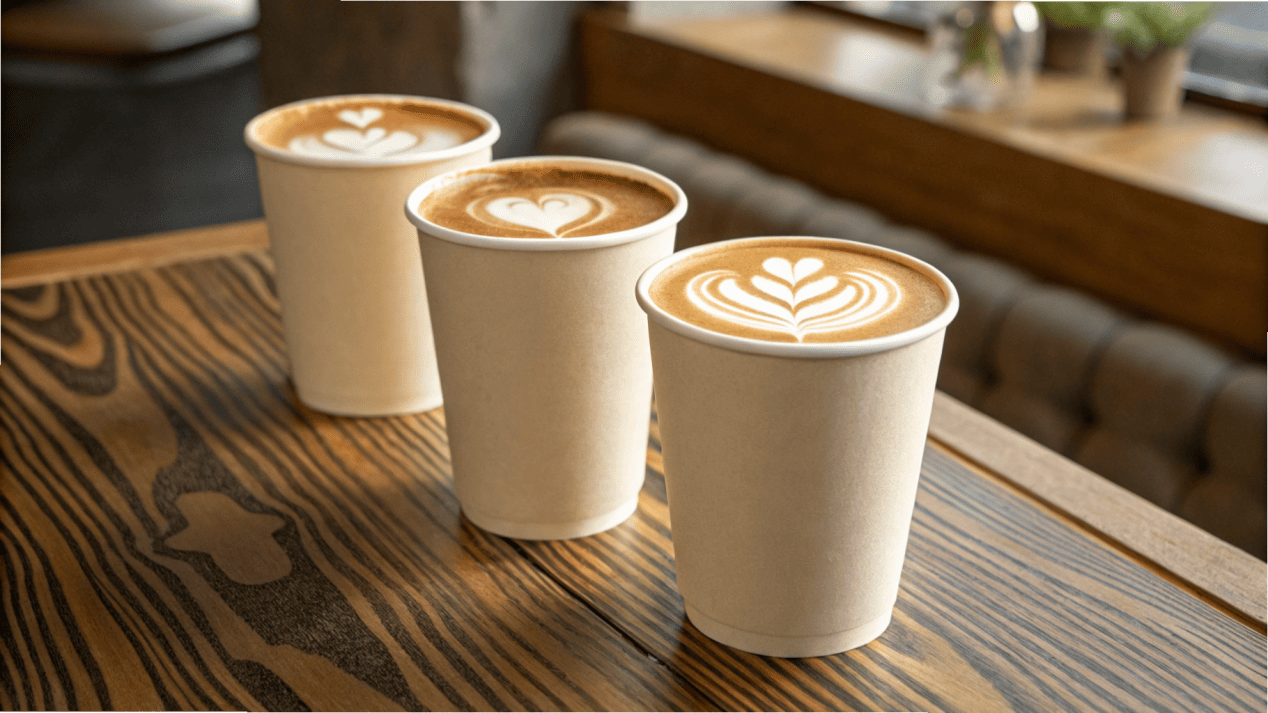
An eco-friendly coating is completely useless if it cannot handle a steaming hot coffee or a greasy slice of pizza. As an engineer, this is where my team and I spend countless hours. We are obsessed with ensuring our innovative coatings meet and exceed the performance of their traditional plastic predecessors. There can be no compromises on quality.
Fighting Sogginess with Advanced Moisture Barriers
Our coatings are designed to prevent that dreaded "sogginess" and maintain the structural integrity of the cup or plate. This is true even when holding very hot liquids like coffee and soup for extended periods. Our internal standard is that a cup must feel strong and secure in a customer's hand from the moment it is filled until long after the last drop is gone. This is critical for customer safety7 and satisfaction.
Defeating Grease with High Oleophobicity
For food plates and takeaway containers, we have developed coatings with high oleophobic quality. This is a technical term that simply means they are excellent at repelling oil and grease. This stops grease from soaking through your packaging, which eliminates messy leaks and maintains a clean, premium presentation of your food.
What Are the Real Environmental Wins of Using Better Coatings?
"Green" claims are everywhere, and they often feel empty. You want to know if switching to a new coating actually makes a real difference for the planet.
The real wins are diverting tons of waste from landfills by enabling either composting (with PLA) or recycling (with water-based coatings). It also drastically reduces our dependency on fossil fuels8 for packaging.
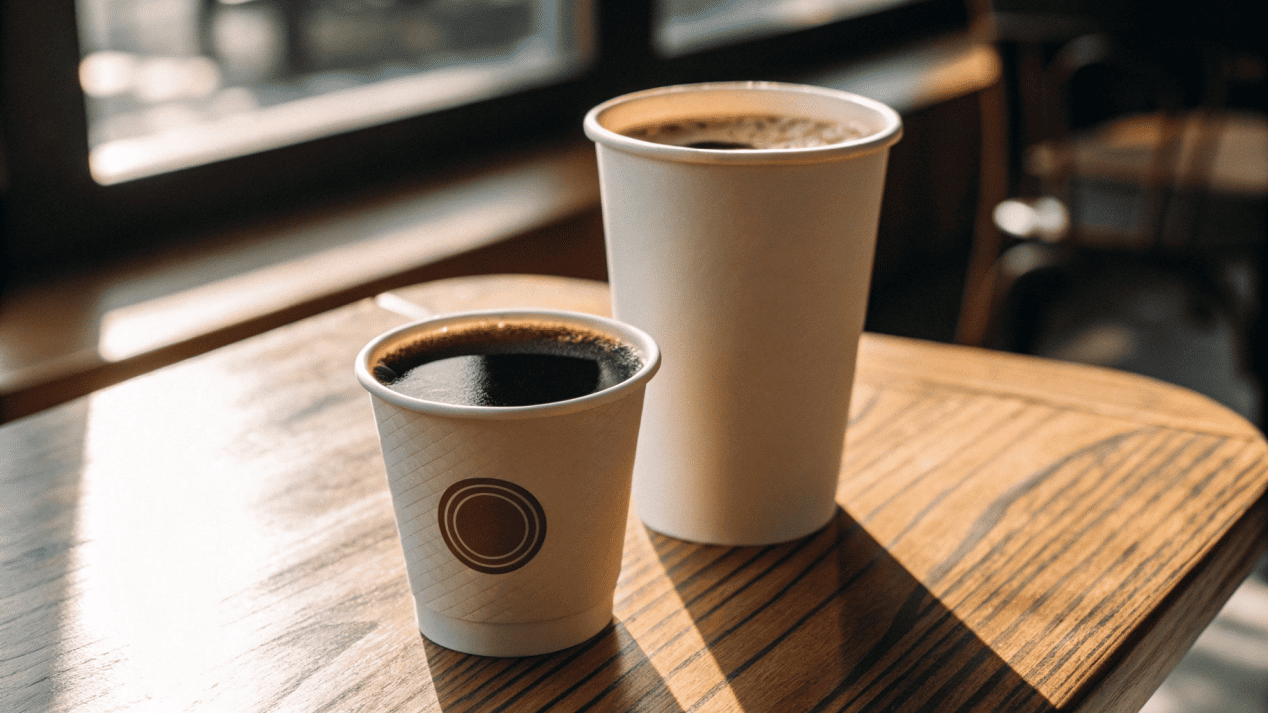
The switch to these innovative coatings delivers clear and compelling environmental wins9. This is not just marketing speak; these are tangible benefits for our clients, their customers, and our planet.
Enabling a True Circular Economy
Our two coating pathways create two different circular systems. PLA coatings support a compost-based system, turning used cups and plates into valuable soil for agriculture. Aqueous coatings support a recycling-based system, turning used cups back into paper fiber that can be used to make new paper products. Both of these powerful pathways divert enormous volumes of single-use packaging from landfills, where they would otherwise sit for hundreds of years.
Reducing Our Dependence on Fossil Fuels
By using coatings made from plants or water-based systems, we drastically reduce the reliance on petroleum. Petroleum is the finite, non-renewable resource used to make all traditional PE plastic. Lowering this dependency directly lowers the overall carbon footprint of your packaging and moves us all toward a more sustainable manufacturing model10. This is a win for everyone.
How Do You Know These New Coatings Actually Work in the Real World?
A lab test sounds good, but you serve real customers in a busy shop. You need absolute proof that a new type of cup will not fail during the morning rush.
We prove our coatings work through rigorous, real-world industry trials11 with partners, from small local cafes to global food chains. We test everything from heat retention12 to leak prevention13 to ensure flawless performance.
Innovation means nothing until it is proven in the real world. Every new coating formulation we develop undergoes a battery of intense tests long before it ever reaches our clients. I personally oversee many of these trials because I believe it is the most important part of our process. We start with international safety certifications like FDA and BRC, but that is only the beginning.
We then conduct extensive industry trials with partners around the globe. I remember one trial with a coffee chain in Europe that was very skeptical. They used our water-based coated cups for a month, serving thousands of hot lattes and espressos. We measured everything: how long the coffee stayed hot, whether there was any hint of leakage after two hours, and how the print quality held up. Most importantly, we gathered feedback from their baristas and customers. After the trial, the chain was so impressed with the performance that they became believers. It is this continuous cycle of research, real-world testing, and feedback that ensures the cup we provide you is a testament to quality and innovation.
Conclusion
We are creating the future of packaging. Our advanced coatings provide superior, truly sustainable performance that helps your brand, your customers, and our shared planet.
Explore the benefits of compostable PLA, a sustainable alternative that helps reduce landfill waste. ↩
Learn about recyclable water-based solutions that simplify recycling processes and reduce environmental impact. ↩
Discover how PLA bioplastic is made and its advantages for sustainable packaging. ↩
Find out how advanced water-based coatings enhance packaging performance while being eco-friendly. ↩
Discover the process of industrial composting and its benefits for waste management. ↩
Understand the role of moisture barriers in maintaining the integrity of food packaging. ↩
Understand the relationship between packaging design and customer safety in food service. ↩
Understand the connection between packaging materials and fossil fuel dependency. ↩
Explore the tangible environmental benefits of adopting sustainable packaging solutions. ↩
Explore the principles of sustainable manufacturing and its impact on the environment. ↩
Learn about the importance of real-world industry trials in ensuring product reliability. ↩
Find out how heat retention is measured and its importance for food and beverage packaging. ↩
Discover effective methods for leak prevention that ensure product quality and customer satisfaction. ↩