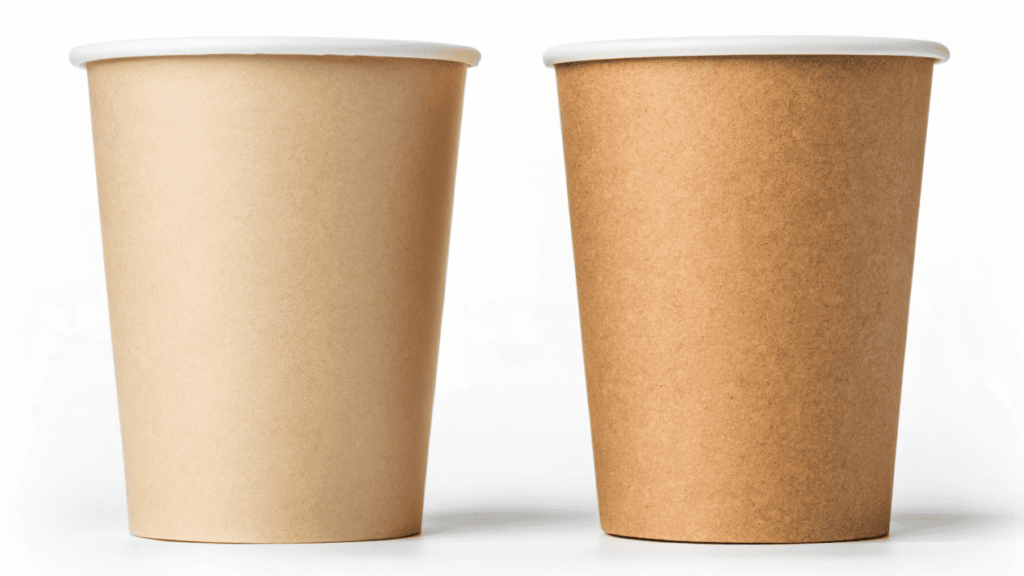
You plan amazing events but dread the mountain of cup waste. This hurts your image and your budget. A smart sizing strategy1 makes your event greener and more efficient.
Match cup sizes to your event type: larger for festivals, smaller for conferences. Choose eco-materials2 like PLA or Aqueous coatings based on your waste plan. A "one-lid" strategy is key to reducing waste and improving efficiency.
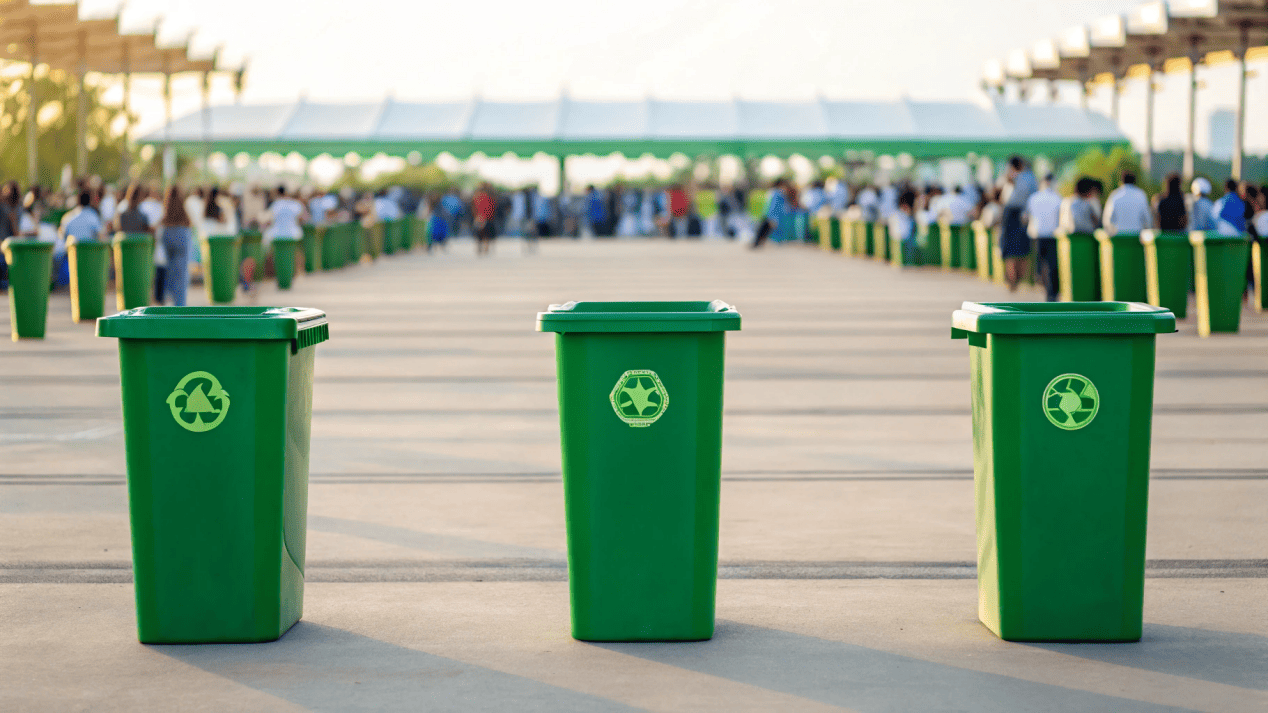
As a packaging partner for large-scale events all over the world, I can tell you that success is about more than the main act. It is about seamless logistics. And nothing is more visible than the stream of disposable cups. For years, I've worked with event planners to turn this massive waste problem into a sustainability success story3. The secret isn't just ordering "enough" cups. It's about a complete strategy involving smart sizing, the right materials, and efficient operations. Let's build that strategy together.
How Do You Match Cup Size to Your Event Type?
A one-size-fits-all cup order creates massive waste. Half-full drinks get thrown away by the thousands, costing you money and creating a huge mess. The solution is simple.
Use large 16oz-20oz cups for festivals (beer/soda) to reduce lines. Use smaller 8oz-12oz cups for conferences (coffee/water). For tastings, use tiny 4oz sampler cups for portion control4.
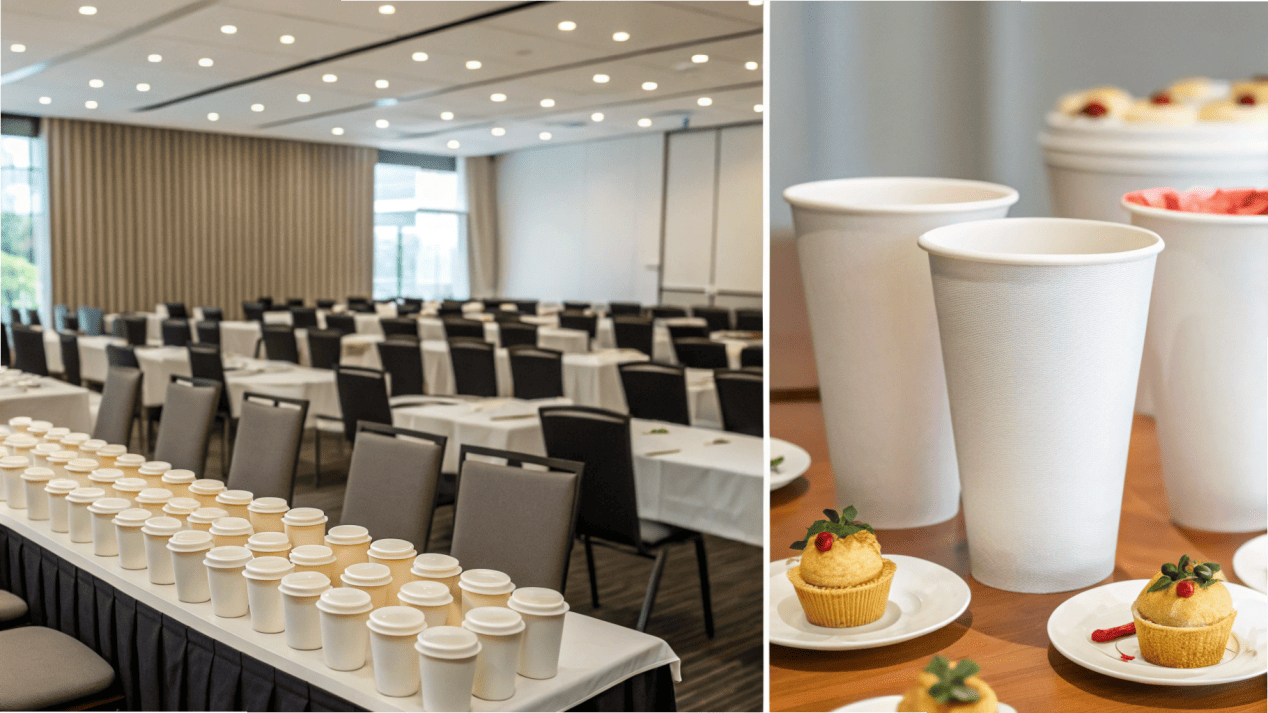
The most efficient strategy is to match the cup to what people are actually drinking and doing at your event. A one-size-fits-all approach is a recipe for waste. After helping plan logistics for countless events, I've seen firsthand that a tailored approach is always better. It saves money, reduces waste, and even improves the attendee experience5. Here is the simple system we have developed:
Strategic Sizing Guide for Events
| Event Type | Go-To Sizes | The Strategy |
|---|---|---|
| Concerts & Festivals | 16oz (480ml) & 20oz (600ml) | For beer and soda, the 16oz "pint" is the expected standard. Larger cups mean attendees make fewer trips to the vendor, which reduces lines and improves their overall experience. |
| Conferences & Shows | 8oz (240ml) & 12oz (360ml) | Attendees are networking and moving around. They often grab a coffee or water and set it down. Smaller cups drastically reduce the number of abandoned, half-full drinks. |
| Tasting Events | 4oz (120ml) & 6oz (180ml) | Here, the goal is portion control4. Small sampler cups allow guests to try many different things without the waste of a full-size cup for every single taste. They are essential. |
Which Green Material Should You Choose for Your Event Cups?
You have picked your sizes, but now you face a confusing choice of "green" materials. Choosing the wrong one can undermine all your sustainability goals if it doesn't match your event's disposal plan.
Choose PLA-lined or clear PLA cups for events with a commercial composting plan6. Choose Aqueous-coated (plastic-free) paper cups if a 'Plastic-Free' message is your priority and standard paper recycling is the goal.
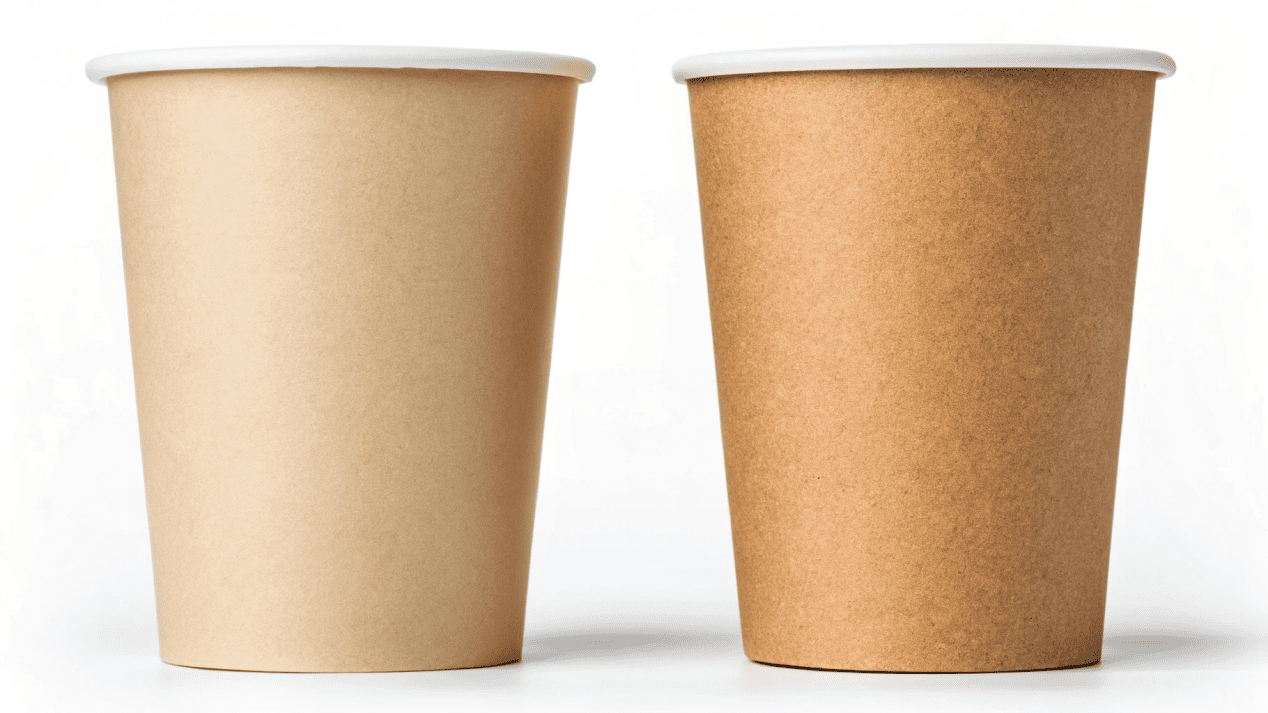
The first question I always ask an event planner is: "What is your waste disposal plan7?" The answer determines everything. The material you choose must perform under demanding event conditions, but it also has to align with your green goals and facilities. Let's simplify the options.
The Two Main Eco-Friendly Choices
There are two leading technologies for eco-friendly cups today. Both are excellent, but they serve different purposes.
| Material | Best For | Key Message |
|---|---|---|
| PLA Lining | Cold drinks at events with a dedicated composting waste stream. | "Compostable" and "Made from Plants." |
| Aqueous Coating | Events where a "Plastic-Free" message is critical, or where commercial composting is not available. | "100% Plastic-Free" and "Recyclable with Paper." |
Don't Forget the Paper Source
No matter which lining you choose, I insist that the paper cup itself is made from FSC-certified paperboard8. The Forest Stewardship Council (FSC) guarantees that the paper comes from responsibly managed forests. This adds another powerful layer to your sustainability story.
How Can You Design Your Event to Reduce Cup Waste?
Even the greenest cups create waste if your system is flawed. Without a clear plan for your staff and attendees, those expensive eco-friendly cups will just end up in the wrong bin.
Implement a 'one-lid' strategy where multiple cup sizes share one lid. Use large, clear signage9 at all waste stations, and make sure every vendor knows how the cups should be disposed of.
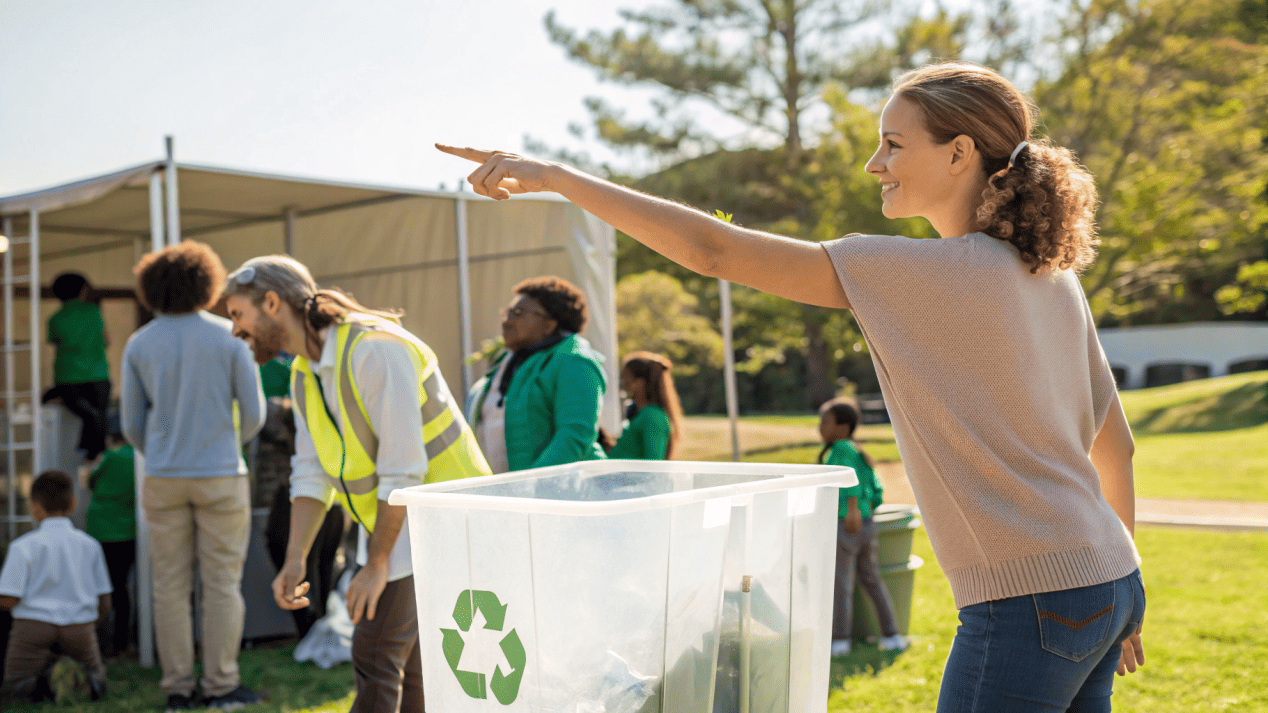
The cup is only one part of the system. True sustainability comes from smart operational choices that make it easy for everyone to do the right thing. These are the three strategies that I've seen have the biggest impact.
The "One Lid" Strategy
This is a game-changer for large events. As a manufacturer, we can design your 12oz, 16oz, and 20oz cups to use the exact same lid size. This is a huge win. It simplifies your inventory, speeds up service for vendors, reduces storage space, and eliminates confusion.
Clear Bin Signage
You cannot expect people to know the difference between "compostable" and "recyclable." You have to show them. Invest in large, clear, graphic-based signage. Put signs like "COMPOST CUPS HERE" and "RECYCLE BOTTLES HERE" at every single waste station.
Educate Your Vendors
Your vendors are on the front lines. Before the event, make sure every beverage vendor knows exactly what kind of cups they are using. Give them a simple answer for when attendees ask, "Is this cup recyclable or compostable?"
Why Is a Supplier Partnership More Important Than Just an Order?
You think ordering cups is just a simple transaction. But a late delivery, the wrong products, or a sudden shortage can create a disaster for your event.
A true partner asks about your waste plan, helps consolidate sizes, and creates a production and delivery schedule to guarantee your cups arrive on time. A vendor just asks "how many?".

An event order is a complex logistical challenge. The right supplier is much more than a vendor; they are your partner in both sustainability and execution. A vendor just wants to complete a transaction. A partner wants to ensure your event is a success. My job isn't just to sell you cups. My job is to worry about the packaging logistics10 so you don't have to.
Questions a True Partner Will Ask:
Instead of just asking, "How many do you need?" a real partner will ask questions like these:
- "What is your waste disposal plan7 so we can recommend PLA vs. Aqueous?"
- "Can we consolidate your 12oz, 16oz, and 20oz cups to use a single lid and simplify your operations?"
- "What is your event date? Let's build a production and delivery schedule together that guarantees your cups arrive on time, every time."
This consultative approach gives you peace of mind and leads to a much better outcome.
Conclusion
Smart choices in cup size and material reduce waste and improve the attendee experience5. It's how you turn a simple cup into a powerful statement about your event's values.
Explore how a smart sizing strategy can enhance your event's sustainability and efficiency. ↩
Learn about eco-materials that can significantly reduce your event's environmental impact. ↩
Explore what constitutes a sustainability success story in the context of event planning. ↩
Understand the importance of portion control in reducing waste at events. ↩
Discover strategies to enhance the attendee experience through thoughtful planning. ↩
Find out how a commercial composting plan can enhance your event's sustainability efforts. ↩
Get insights on creating an effective waste disposal plan to minimize event waste. ↩
Learn why using FSC-certified paperboard is crucial for sustainable event planning. ↩
Discover how clear signage can improve waste sorting and enhance sustainability. ↩
Explore the role of packaging logistics in ensuring a successful event. ↩