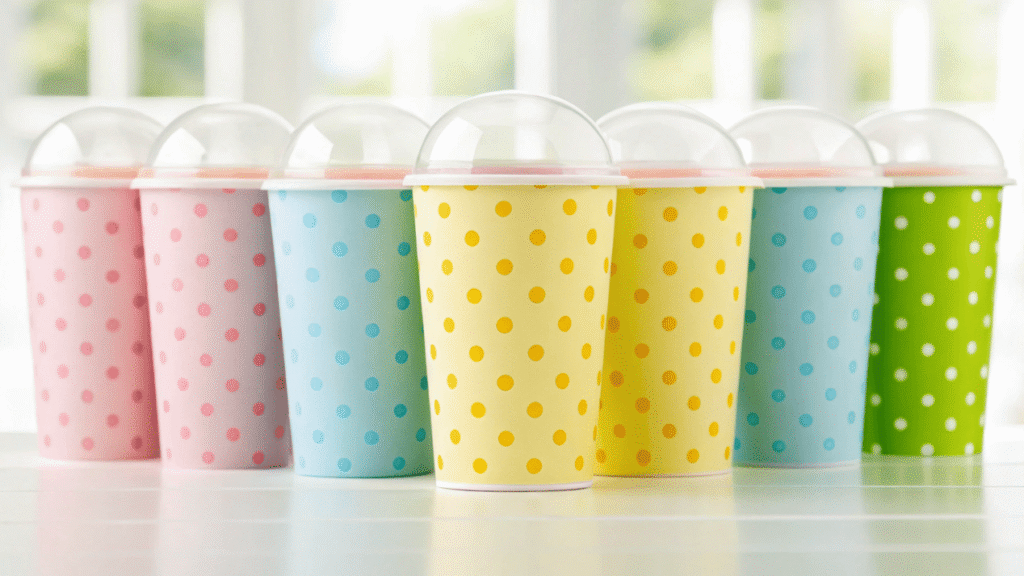
A flimsy, leaky cup ruins a joyful moment, creating a sticky mess. This disappointment damages your customer's trust and your brand's reputation. Don't let a bad cup melt your profits.
To buy the best cups, you must vet the supplier1 like a partner, understand their order quantity flexibility (MOQ), choose the right coating to prevent sogginess, and analyze the total value2, not just the low price.
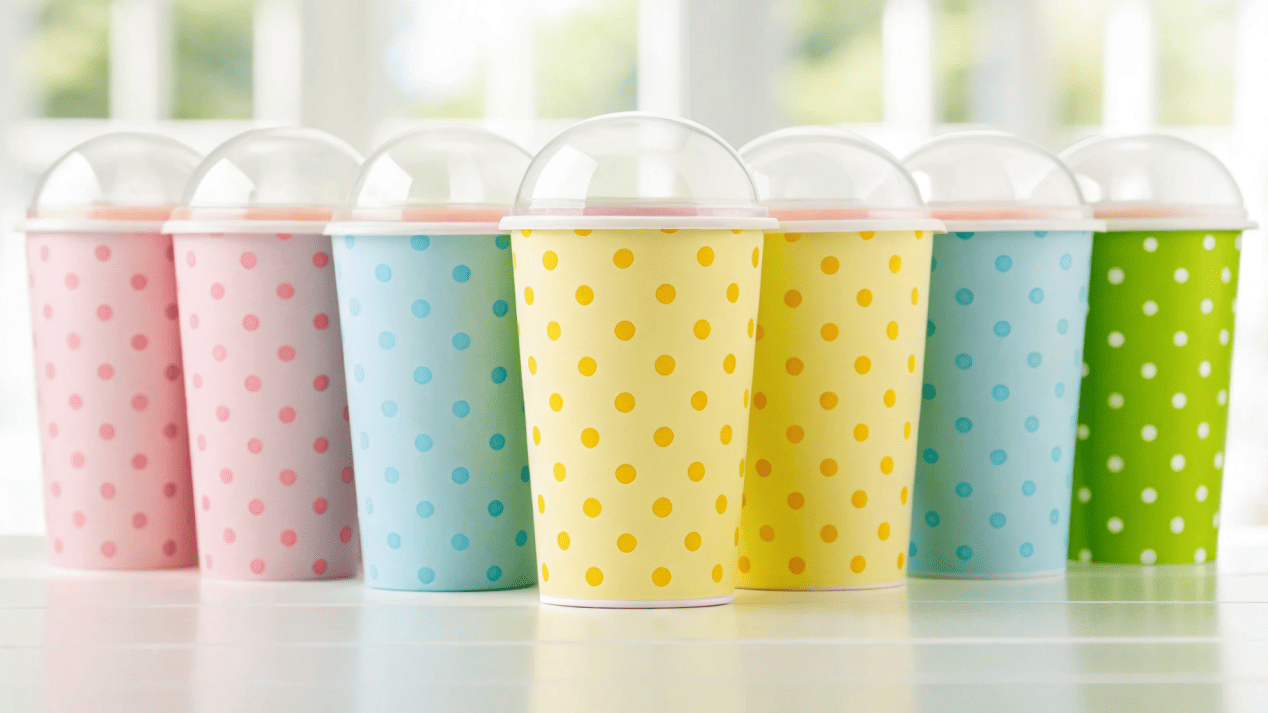
Ice cream is a business of joy. But that joy can turn into a sticky disappointment with one bad cup. As a packaging engineer for over 15 years, I have seen it happen. A leaky cup doesn't just waste ice cream; it can ruin a customer's clothes and their opinion of your brand forever. Choosing the right disposable ice cream cup is a critical business decision. I have helped brands in over 80 countries find the perfect cup. Here is my ultimate guide to the four factors you must evaluate to protect your product and your reputation.
How Do You Find a Partner, Not Just a Price List?
A cheap supplier1 can disappear or send you a bad batch of cups. This causes stress and can stop your business. You need a reliable partner with proof of their quality.
A true partner has verifiable certifications3 (like FDA, BRC), a long history in the industry, global delivery experience, and dedicated support4. They are your partner in quality control.

Your supplier1 is more than a vendor; they are your partner in quality control. Before you even look at a cup, you must scrutinize the company that makes it. I always tell my clients to look for four things. First, verifiable certifications3. Are they FDA, BRC, and ISO certified? These are not just logos. They are proof that the supplier1 follows strict rules for safety and quality. Second, a proven track record. How long have they been in business? My 21+ years of experience means I have already solved the supply chain and production problems that new companies haven't even seen yet. Third, global logistics5. Can they deliver to you on time? A supplier1 serving 80+ countries has figured out the complexities of shipping. Finally, dedicated support4. Is there a real person you can talk to? This is crucial when you have a question or an issue.
| Supplier Checklist | Why It Matters |
|---|---|
| Verifiable Certifications | Proof of safety and quality standards |
| Long Industry Experience | Reliability and problem-solving expertise |
| Global Logistics | On-time delivery you can count on |
| Dedicated Support | A real partner to help you succeed |
Why Is a Flexible MOQ So Important for Your Business?
High Minimum Order Quantities (MOQs) force you to tie up cash in inventory. This is risky for startups and makes it hard to run seasonal promotions. You need a more flexible option.
A flexible MOQ is vital. It lets small businesses start without huge risk. It also allows large chains to test new designs or run limited promotions without being forced into massive orders.
MOQ stands for Minimum Order Quantity. It is the smallest number of cups a supplier1 will produce for you in one order. This is a critical factor for businesses of all sizes, and a point of pride for me as an engineer. For small businesses and startups, a high MOQ of 50,000 or more units is a dealbreaker. It ties up your cash in inventory, requires a lot of storage space, and is very risky if you just want to test a new flavor or design. For large chains and distributors, you need a supplier1 who can handle massive volume. But you also need smaller runs for seasonal promotions or to test a new cup design in a few locations. The key is finding a supplier1 who offers flexibility. At Haokelao, we invested in advanced production lines specifically designed to handle both very large and small-scale orders. This manufacturing flexibility is one of our biggest advantages. It means we can meet your exact needs without forcing you to buy more cups than you want.
What Coating Keeps Ice Cream Cups from Getting Soggy?
A cold cup in warm air creates condensation. This moisture attacks the paper, making it weak and flimsy. The right coating is the only thing that prevents a soggy mess6.
The best coatings are PE (polyethylene) for reliable moisture protection, or PLA (polylactic acid) for a sustainable, compostable option. Both create a barrier that prevents leaks and sogginess from condensation.
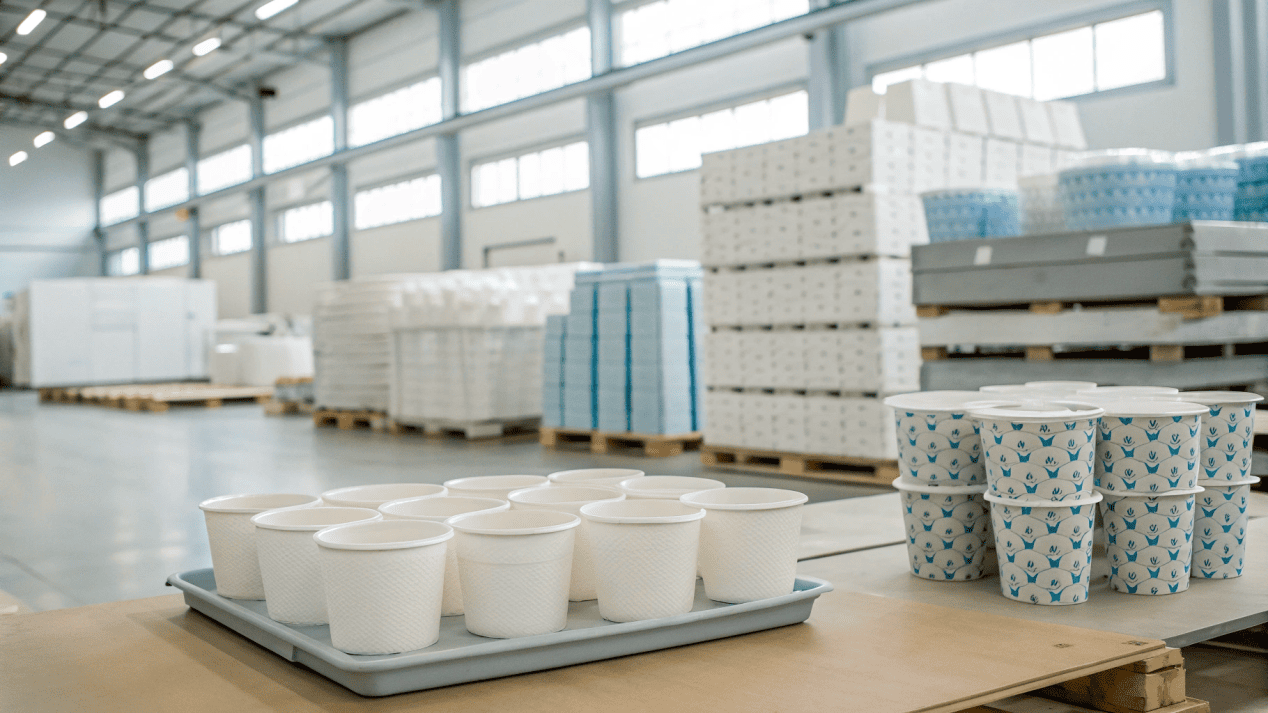
The coating on an ice cream cup has two very important jobs. First, it keeps the ice cream inside the cup. Second, it keeps condensation on the outside from turning the cup into a wet napkin. This second job is what separates a great cup from a bad one. As an engineer, this challenge of fighting moisture from both sides is fascinating. Here are the two best solutions:
PE (Polyethylene) Coating
This is the long-time industry standard. We apply a thin layer of PE plastic to the paper. For ice cream cups, I always recommend a double-sided coating—one layer inside to stop leaks and one layer outside to fight condensation. This creates a robust, reliable, and cost-effective moisture barrier. It guarantees a non-soggy, firm cup from the first scoop to the last.
PLA (Polylactic Acid) Coating
This is the sustainable champion. PLA is a bioplastic made from plants like corn starch. It performs just like PE, offering a high-performance waterproof barrier. The difference is its story. It is a premium choice for brands who want to show customers they are committed to the environment. It is commercially compostable.
Is the Cheapest Ice Cream Cup Really the Best Deal?
Choosing cups based on the lowest price seems smart for your budget. But a single leaky cup that ruins a customer's experience can lose you their business forever. You must look at total value2.
No. The cheapest cup is rarely the best deal. You must consider the "cost of failure7," like brand damage from leaks, and the marketing value of a high-quality cup8.
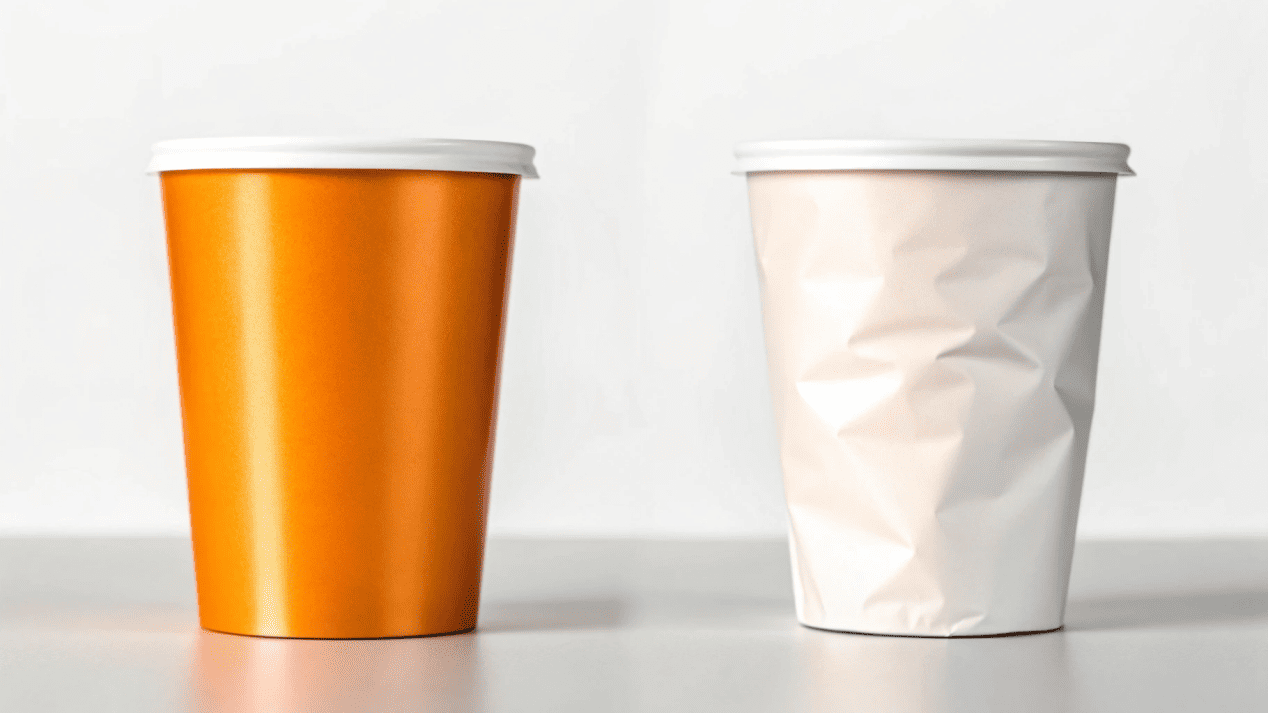
The cheapest cup is often the most expensive one in the long run. I have seen this happen too many times. When you compare prices, you must look at the Total Value, not just the unit price. Let me break it down.
First, think about the cost of failure7. What is the real cost of one leaky cup? It's not just the price of the cup and the ice cream. It is the potential loss of that customer for life. It is the negative online review they might post. It is the damage to your brand's image of quality. A high-quality cup8 from a reliable supplier1 is an insurance policy against this disaster.
Second, think about brand enhancement9. A beautifully printed, sturdy, eco-friendly cup elevates your product. It becomes part of the happy experience. It justifies a premium price point for your ice cream and turns a disposable item into a powerful marketing tool.
Finally, think about operational costs10. A cheap, unreliable supplier1 can cost you dearly with shipping delays, incorrect orders, and damaged goods. A professional partner saves you time and stress, which have real monetary value. We compete on value, not just price.
Conclusion
Your ice cream cup is the final handshake with your customer. Partner with an expert and focus on total value2 to ensure that handshake is firm, confident, and delightful every time.
Learn how to select a reliable supplier that guarantees quality and timely delivery for your ice cream cups. ↩
Discover why considering total value is crucial for making informed purchasing decisions. ↩
Find out which certifications ensure safety and quality in the products you purchase from suppliers. ↩
Explore the importance of having dedicated support from suppliers to resolve issues quickly and efficiently. ↩
Discover how effective global logistics can ensure timely delivery and reliability from your suppliers. ↩
Find effective solutions to avoid soggy cups and ensure a pleasant customer experience. ↩
Understand the hidden costs associated with low-quality cups and how they can impact your business. ↩
Learn the key characteristics that make a disposable ice cream cup high-quality and reliable. ↩
Explore how high-quality, well-designed cups can elevate your brand and customer experience. ↩
Learn how unreliable suppliers can increase operational costs and affect your business efficiency. ↩