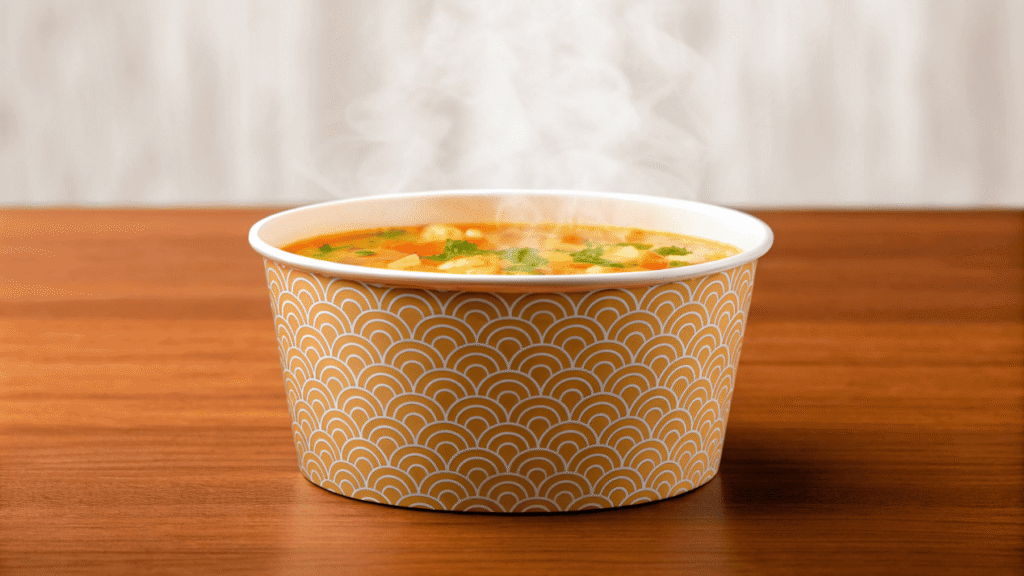
You've perfected your soup, but the wrong bowl can leak or get soggy. This ruins the meal for your customer and harms your brand's reputation for quality.
To choose the perfect soup bowl1, you must match the size to your menu strategy2, select a material that protects both the soup and your values, consider all potential use cases, and view the cost as an investment.
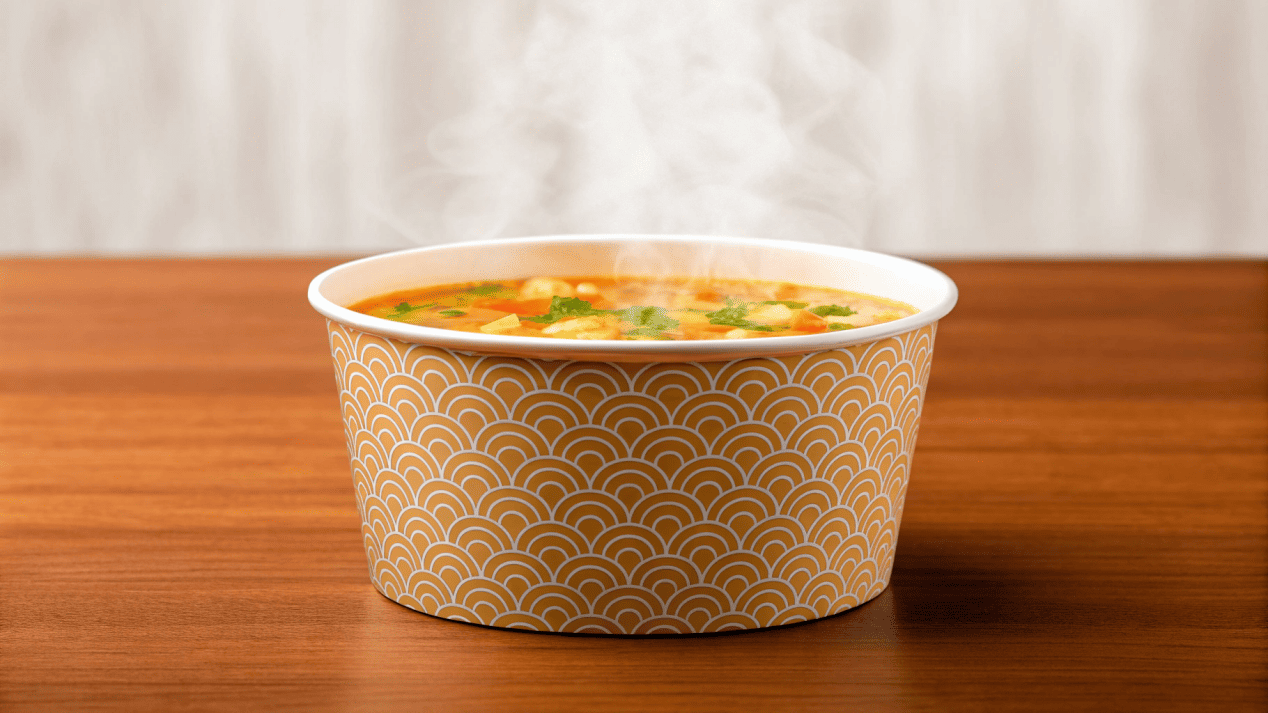
You spend hours making your soup perfect. You select the best ingredients and simmer it just right. The final step is presenting it to your customer. As an engineer, I see the container as a crucial part of the product. It protects the soup's temperature, it's the first thing your customer touches, and it makes a powerful statement about your brand's quality. With so many options, choosing the right bowl can feel difficult. Let me walk you through the four key factors my most successful partners consider.
What Bowl Size Best Fits Your Menu Strategy?
You offer one size, but it might be too big for a side or too small for a meal. This wastes money on food costs3 or leaves customers feeling unsatisfied.
Strategically use small sizes (8-12oz) for add-on sales, medium sizes (16-24oz) for standard meals, and large sizes (26-32oz) for premium, dinner-sized portions or family take-home options.
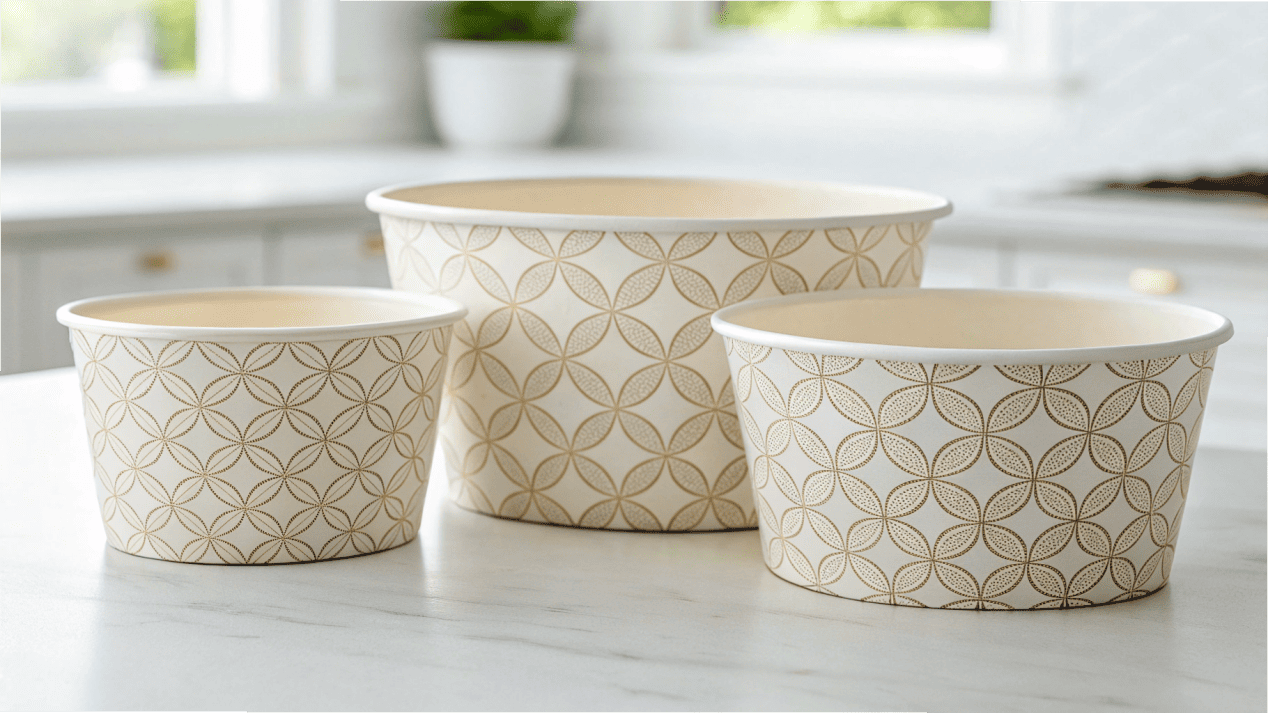
When I consult with clients, I tell them that size is not just about volume; it is about strategy. The right sizes on your menu can guide customer choices and increase your average sale. A size communicates a specific purpose and value to the customer. For example, a small bowl is perfect for encouraging a customer to add a soup to their sandwich order. A large bowl immediately signals a premium, filling meal that can command a higher price. Using the same branded design across multiple sizes strengthens your brand identity4 and makes your business look professional and organized. It also simplifies your ordering process. My company offers a full spectrum of sizes so you can build a complete, consistent packaging lineup for your entire menu.
| Bowl Size | Volume Range | Strategic Menu Purpose |
|---|---|---|
| Small | 8–12 oz / 240–360ml | Side dish, lunch combo "cup," soup samplers |
| Medium | 16–24 oz / 480–720ml | Standard meal portion, takeout & delivery favorite |
| Large | 26–32 oz / 780–960ml | Premium meal-in-a-bowl, family-size portions |
What Material Protects Both Your Soup and Your Planet?
A cheap, flimsy bowl gets soft from a hot soup. It feels unsafe in the customer's hand and reflects poorly on your business. It also likely ends up in a landfill.
The best material is a sturdy, high-GSM paperboard5 with a lining. For sustainability, choose an innovative water-based coating6 that provides excellent performance and allows the bowl to be truly recycled.
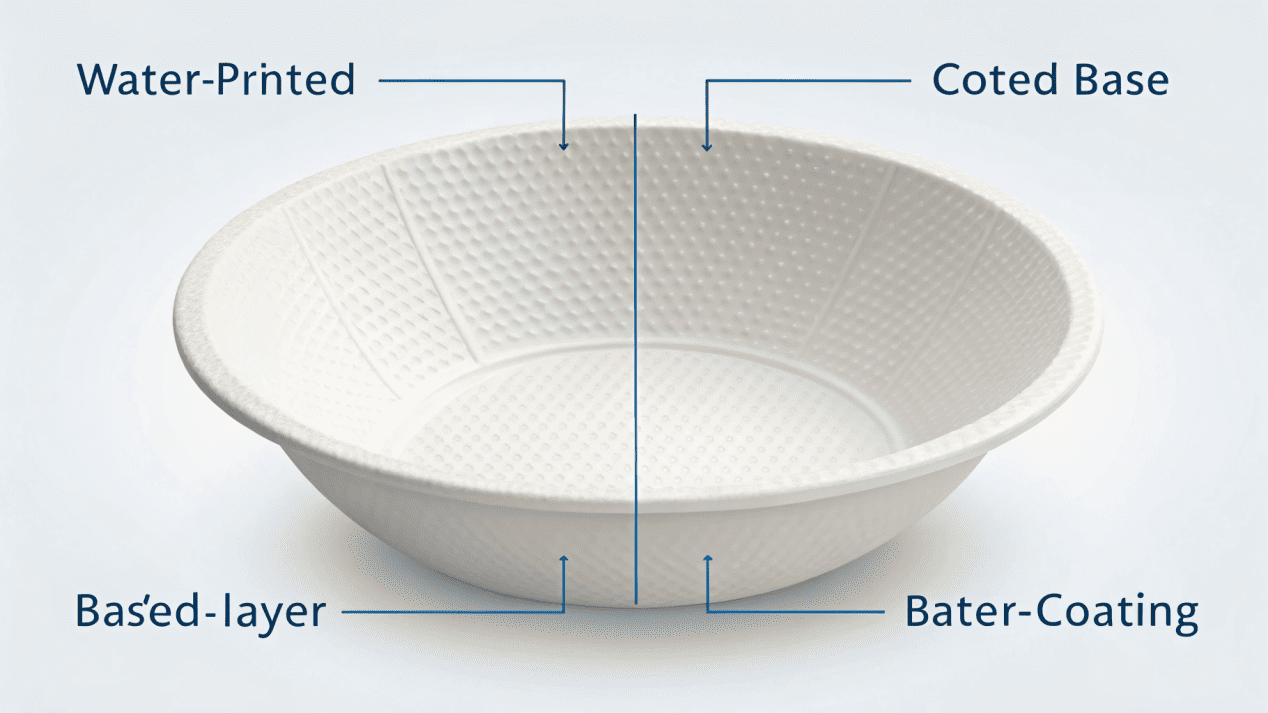
The material of your bowl has two very important jobs. First, it must perform perfectly. Second, it must reflect the values of your brand. Soup is hot and it is heavy. From an engineering perspective, you need a bowl made from a high-quality paperboard. We measure this in grams per square meter, or GSM. A higher GSM means a more rigid and sturdy bowl. It will not flex in the hand, which gives the customer a sense of safety and quality. The lining is also critical. The standard PE plastic lining works well, but it is very difficult to recycle. For brands that care about sustainability, the future is water-based coating6s. My team has pioneered these plastic-free coatings. They provide excellent resistance to liquid but allow the entire bowl to be recycled in standard paper streams. This is a powerful story to tell your eco-conscious customers. Finally, do not forget the lid. A secure, vented lid is essential to prevent spills and let steam escape safely.
Is Your Bowl Versatile Enough for Your Entire Menu?
You are buying different containers for soup, chili, salads, and oatmeal. This complicates your inventory, takes up valuable storage space, and increases your overall costs.
A truly great paper bowl is versatile. It must handle hot, greasy, and acidic soups perfectly, but it should also be ideal for serving many other menu items, streamlining your inventory.
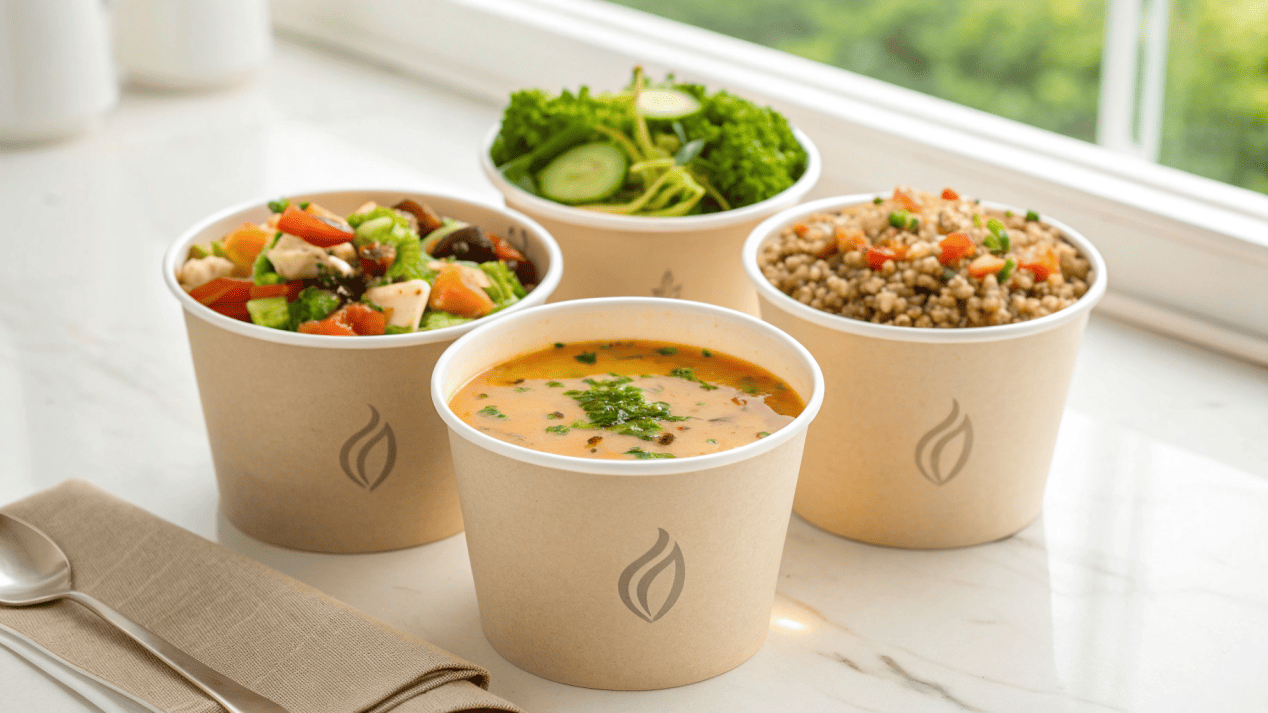
Not all foods are the same. A spicy chili or an acidic tomato soup places high demands on a bowl's lining. A broth-heavy soup like ramen requires a perfect, leak-proof seal7, especially for delivery. A single leak can ruin the entire customer experience8. I ensure my company's bowls are tested for the most demanding foods. But the real value comes from versatility. Think beyond soup. The same high-quality bowl you use for soup can be perfect for many other things on your menu. You can use it for mac & cheese, salads, acai bowls, or even cold ice cream. By using one style of branded bowl for multiple menu items, you can simplify your inventory. This means you order fewer types of products, save storage space, and can often get a better price by ordering a larger quantity of a single item. It is a smart business decision.
How Should You Think About the Cost of a Soup Bowl?
You want to save money by choosing the cheapest bowl available. But this is a mistake. A cheap bowl that fails will cost you much more than you saved.
You should view packaging not as a cost, but as an investment in your reputation. A quality bowl prevents bad reviews from leaks, and custom printing9 turns your packaging into marketing.
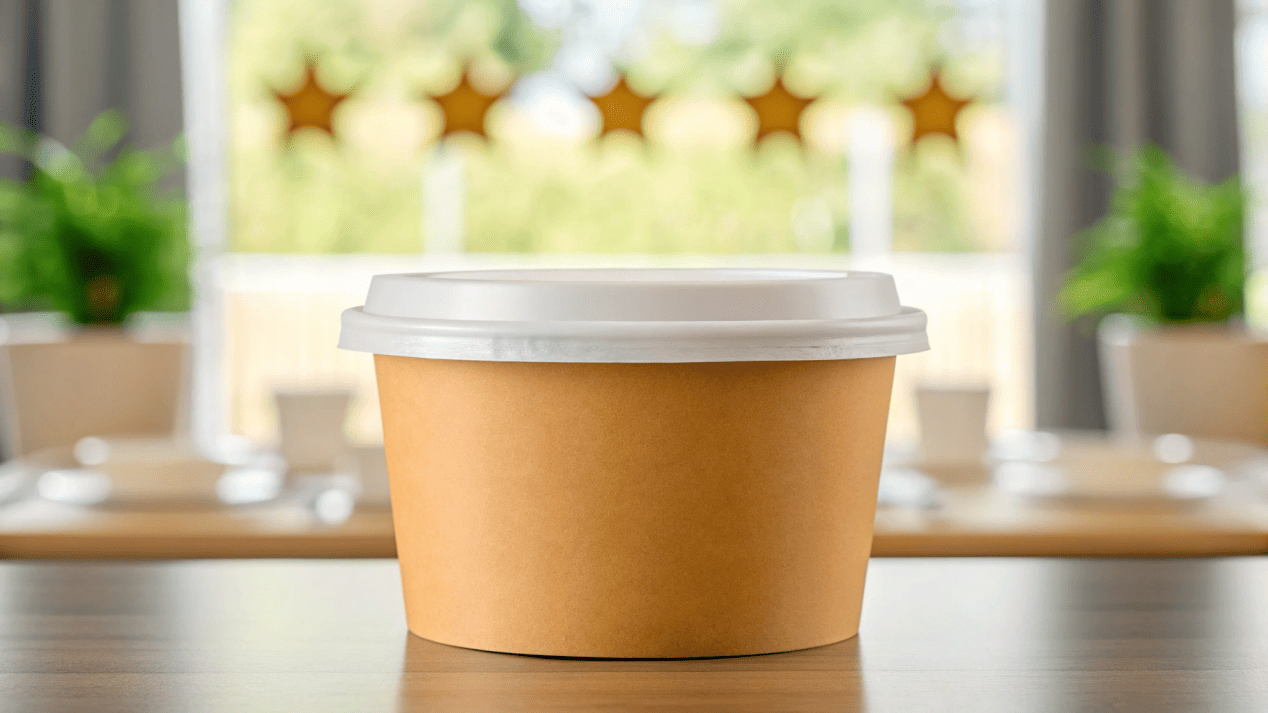
It is tempting to choose the cheapest option. But a low-cost, flimsy bowl that leaks or gets soggy can do serious damage to your reputation. A single angry customer who posts a bad review online can cost you many future sales. That is far more expensive than the few cents you saved on each bowl. A quality bowl is like an insurance policy for customer satisfaction10. The cost of custom printing9 your logo on the bowl should also be seen as a direct investment in marketing. Every customer who walks out with your soup becomes a mobile advertisement for your business. This builds brand recognition far more effectively than a generic bowl. Cost is determined by size, paperboard weight, and order volume. My company understands the needs of both large chains and small independent shops. That is why we offer low minimum order quantities (MOQs) for custom printing9. This makes professional, branded packaging accessible to businesses of all sizes.
Conclusion
Your soup deserves packaging that delivers it perfectly. By choosing the right size, material, and value, you can protect your product, delight your customers, and build your brand.
Explore this link to discover various soup bowl options that enhance presentation and customer satisfaction. ↩
Explore how aligning bowl sizes with your menu strategy can enhance customer experience and sales. ↩
Discover the relationship between bowl sizes and food costs to optimize your menu pricing. ↩
Discover how cohesive packaging design can enhance your brand identity and customer loyalty. ↩
Learn about high-GSM paperboard and its benefits for creating sturdy, reliable food containers. ↩
Find out how water-based coatings can improve sustainability and performance in food packaging. ↩
Understand the significance of leak-proof seals in maintaining food quality and customer satisfaction. ↩
Learn about the key elements that enhance customer experience and satisfaction in restaurants. ↩
Explore how custom printing can turn your packaging into a powerful marketing tool. ↩
Explore proven strategies to enhance customer satisfaction and build loyalty in your business. ↩