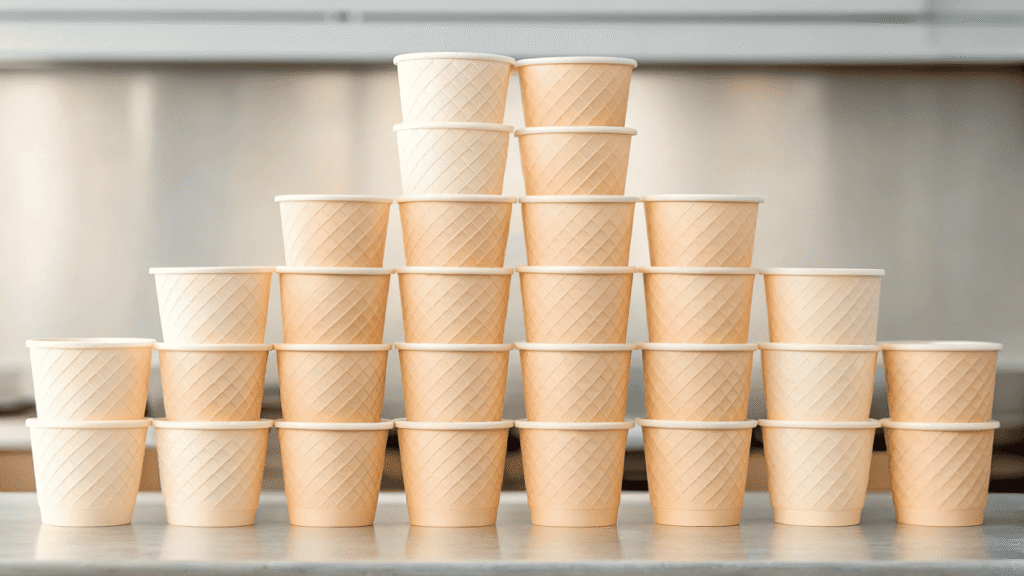
Choosing ice cream cup sizes feels confusing. Get it wrong, and you waste product, create inconsistent servings, and silently lose money with every single scoop you sell.
To choose the right sizes, create a strategic "sizing ladder1" from a small 3-4oz taster to a 5-8oz standard scoop2 and a 12oz+ sundae cup3. This controls costs, manages portions, and maximizes customer satisfaction and perceived value.
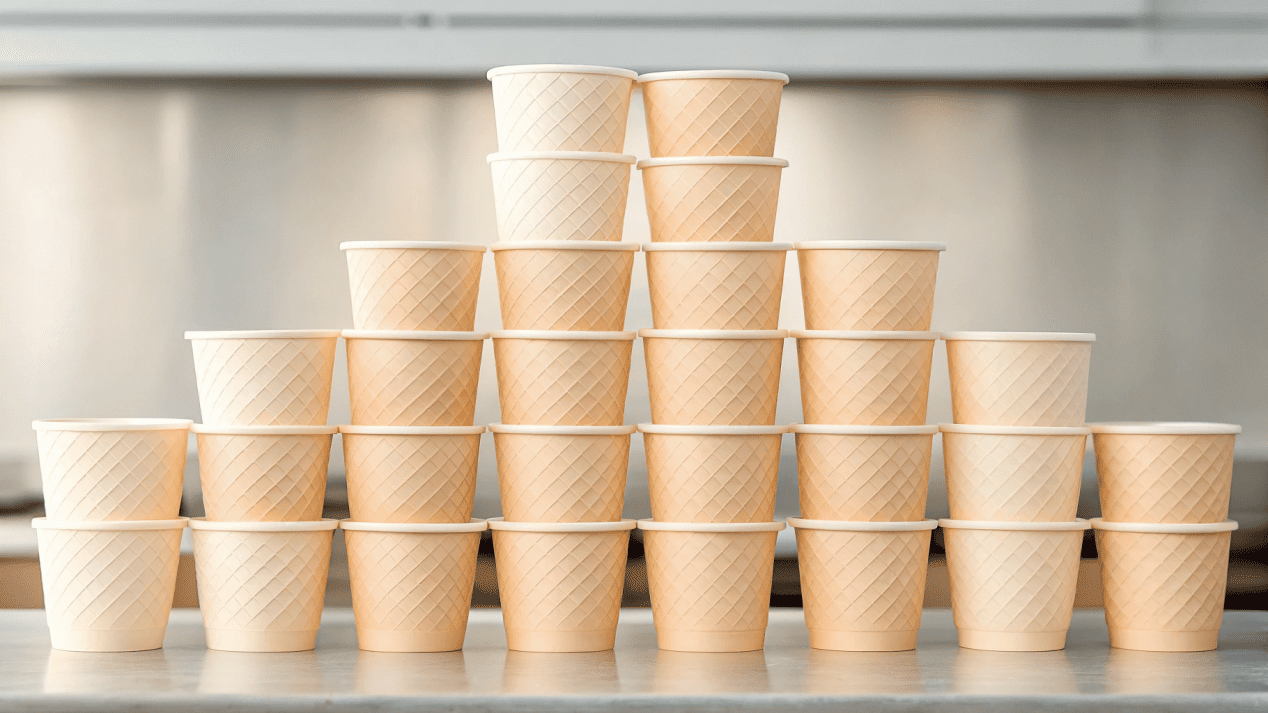
After 21 years of partnering with thousands of dessert brands, I can tell you that your cup sizes are a core part of your business strategy, not just an inventory item. I have seen shops increase their profits by over 10% simply by adjusting their cup sizes—without changing their prices or their ice cream. It's a powerful combination of operational efficiency and customer psychology4. Let's break down how to build the perfect sizing ladder1 for your shop, from the very first sample to the biggest sundae.
What Is the Perfect Range of Cup Sizes for an Ice Cream Shop?
You have a dozen different cup sizes in your stockroom, and it's a mess. This complicates inventory, confuses staff, and makes ordering a constant headache for your business.
Most shops can operate with just 3-5 key sizes: a taster (3-4oz), a standard (5-8oz), a generous (10-12oz), and a shareable (16oz+). This covers nearly every customer need efficiently.
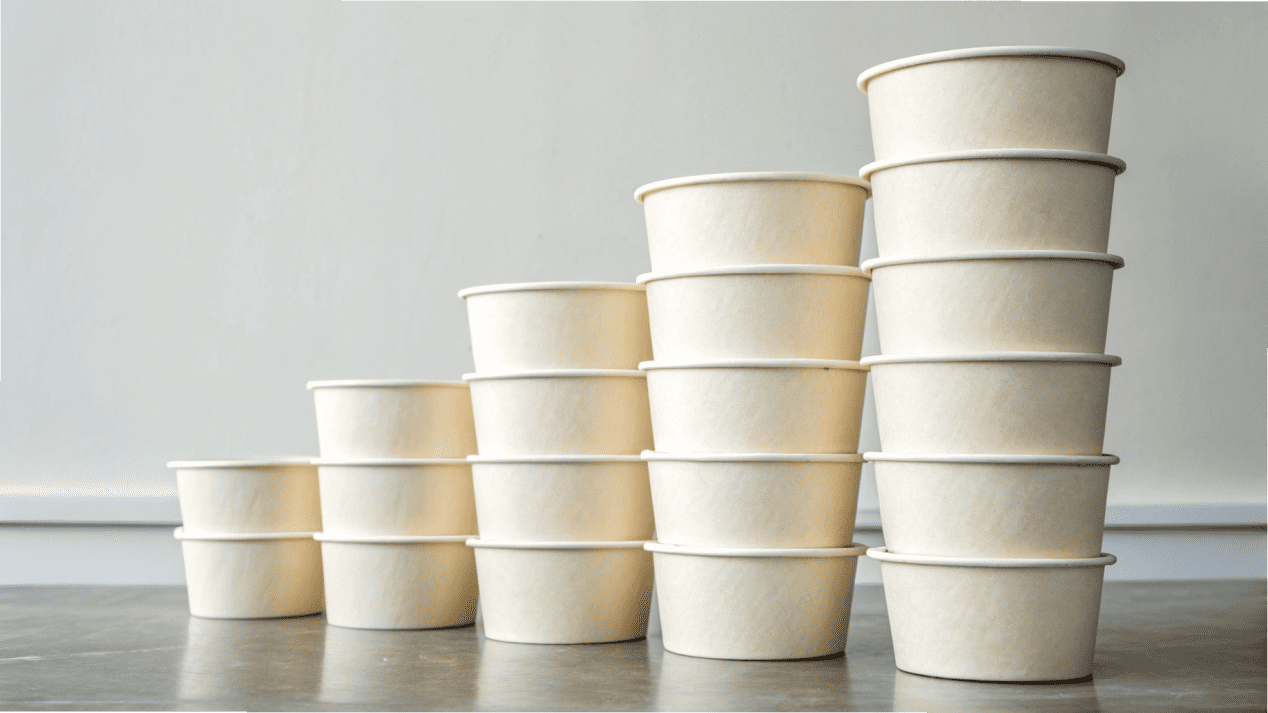
The goal is to simplify, not complicate. A streamlined "sizing ladder1" makes your operation smoother and more profitable. I always advise my clients to resist the urge to have a size for every possible scenario. Instead, focus on a core range that guides the customer's choice. Each size should have a clear and distinct purpose on your menu. By doing this, you make the ordering process easier for your staff and clearer for your customers. It also makes inventory management5 incredibly simple.
Here is the sizing ladder1 I recommend to 90% of a typical ice cream shop's needs:
| Category | Size Range | Common Use Case |
|---|---|---|
| The Taster | 3oz - 4oz (90-120ml) | Samples, Kid's Scoops, Premium Tastes |
| The Standard | 5oz - 8oz (150-240ml) | Your classic single or double scoops. Your bestseller. |
| The Generous | 10oz - 12oz (300-360ml) | Multi-scoop sundaes, small take-home orders. |
| The Shareable | 16oz+ (480ml+) | Large sundaes, family-size pints, promotions. |
Pro Tip: A smart strategy is to use a shared lid program. For example, your 12oz, 16oz, and 20oz cups can all be designed to use the exact same lid, cutting your inventory needs in half.
How Can Cup Size Control Portions and Protect Your Profits?
You notice your staff adding a little extra ice cream to make a cup look full. This small act of generosity, repeated hundreds of times, silently destroys your profit margins6.
Use the cup itself as a portion control7 tool. A small 5-6oz cup physically prevents staff from over-scooping on a single serving, directly protecting your food cost8 and profitability on every sale.
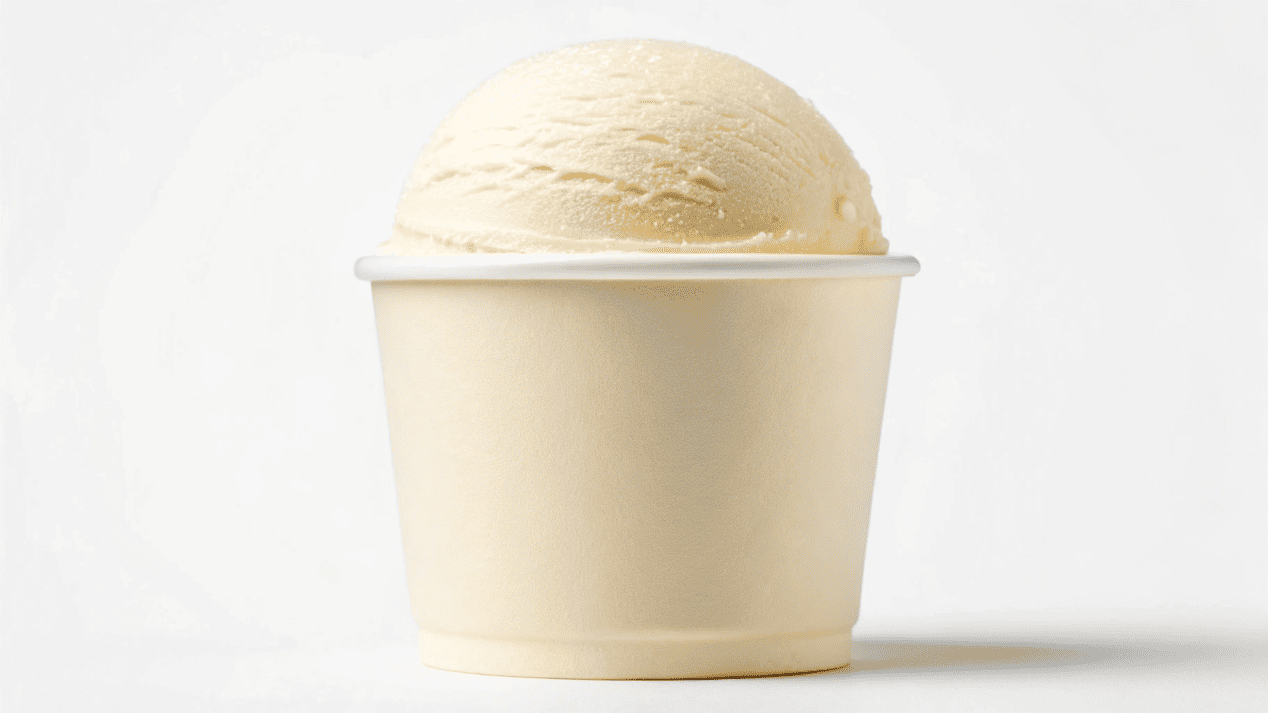
This is the most important, yet most misunderstood, aspect of cup sizing. Your cup is not just a container; it's a measuring device. I worked with a client who only used a large 10oz cup for all their servings. Their staff, wanting to provide good service, would naturally add more ice cream to make the cup look less empty. Their food cost8 was sky-high. We introduced a 6oz cup just for their single scoops, and their profits immediately jumped. The cup did the portion control7 work for them.
Here is how to think about it strategically:
- For Single Scoops (The Profit Protector): Use a 5-6oz cup. It's physically difficult to fit much more than a single scoop in here. It forces portion consistency and protects your most common menu item.
- For Standard Servings (The Visual Maximizer): Use a 7-8oz cup for two scoops. The goal is to make a standard portion look abundant and satisfying, with zero empty space.
- For Sundaes (The Topping Canvas): A 10oz-12oz cup with a wider mouth is perfect. It gives you room to artfully add high-margin toppings9 like sauces and whipped cream, creating a beautiful product that customers will love to photograph.
How Does Cup Size Influence Customer Perception and Value?
A customer looks at their serving and feels it's a bit small for the price. This feeling of disappointment can prevent them from becoming a repeat customer, even if the ice cream is delicious.
Customers judge value with their eyes, not a scale. A 5oz scoop in a 6oz cup looks abundant and generous. That same scoop in a 10oz cup looks small and disappointing. Matching the portion to the cup is key.
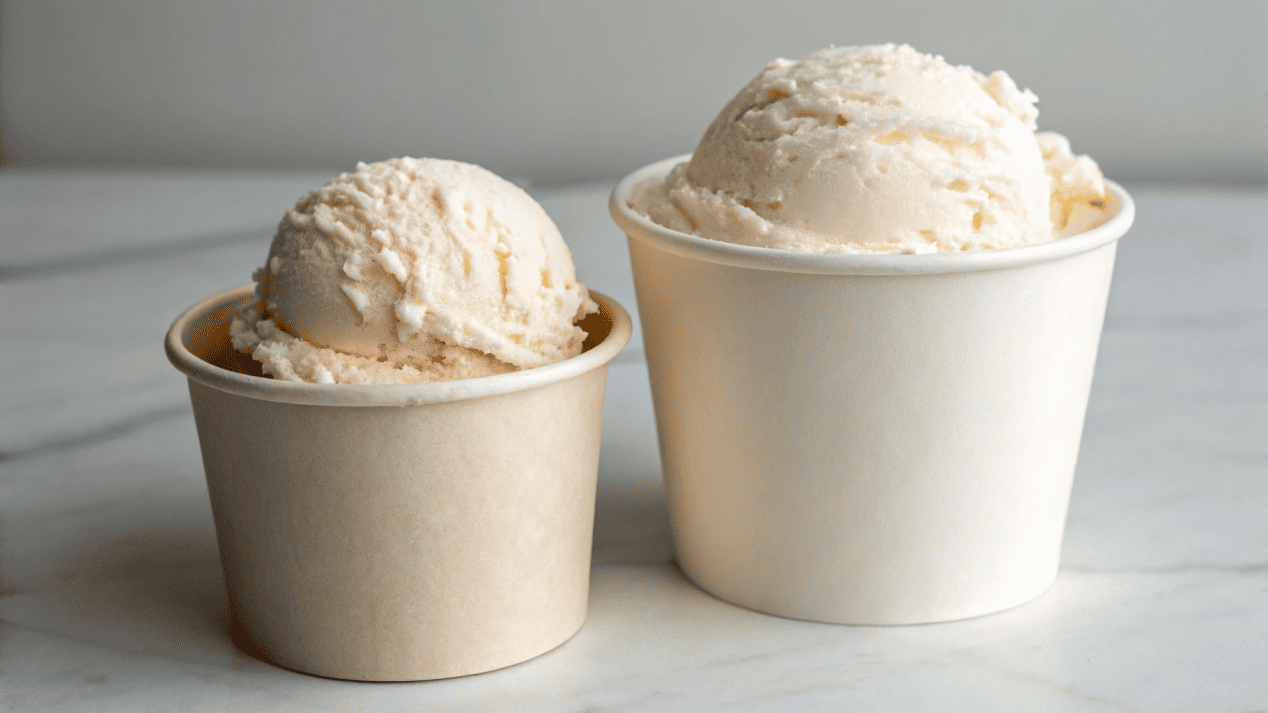
The psychology of "fullness" is everything in the ice cream business. Nobody weighs their ice cream; they judge the value based on how full the cup looks. Your job is to create a feeling of generosity with every serving. I always tell my clients, "The cup is the frame for your artwork." A small painting in a huge frame looks lost, but the same painting in a perfectly-sized frame looks important and valuable. The same is true for ice cream. This is also how you make upselling effective. When a customer can clearly see the size difference between your "Small" (6oz) and your "Medium" (10oz), the small price increase to upgrade feels like a great deal. This visual cue is a silent salesperson, constantly encouraging customers to spend a little more. Custom printing also enhances this premium feel, making the entire package feel special and justifying your price point.
How Are Your Cup Sizes Directly Affecting Your Menu Pricing?
You've set your prices, but your end-of-month profits are lower than expected. You can't figure out where the money is going, but you suspect it's related to food cost8s.
Your cup sizes are directly tied to your cost control and pricing strategy. A properly sized cup prevents product giveaways, while a clear sizing ladder1 visually justifies your different price points to the customer.

Let's do some simple math that I've shared with hundreds of clients. Imagine your single scoop is supposed to be 4.5oz. If you use a big 8oz cup, your staff will often add an extra 0.5oz to make it look full. Let's say that extra ice cream costs you $0.10. If you sell 200 single scoops a day, that's $20 in lost profit every single day. Over a year, that's over $7,000 vanished into thin air, all because of the wrong cup size. Using a 5oz or 6oz cup for that single scoop makes this over-scooping physically impossible. You immediately plug that profit leak.
Furthermore, your cup sizes are essential for communicating value at different price points. Your "Large" must look significantly bigger than your "Medium" to make the customer feel good about paying more for it. Your sizing ladder1 is a visual confirmation of your pricing strategy. A customer should be able to look at your "Small," "Medium," and "Large" cups on the counter and instantly understand why they are priced differently. This builds trust and makes them feel confident in their purchase. Your cups are doing the selling for you.
Conclusion
Choosing your cup sizes is a science. It's a strategic decision that balances portion control7, visual appeal10, operational efficiency, and ultimately, your bottom line with every scoop you sell.
Understanding the sizing ladder can help you optimize your menu and improve customer satisfaction. ↩
Learn about standard scoop sizes and how they can affect your business operations. ↩
Find out the best sundae cup sizes to maximize customer satisfaction and profits. ↩
Explore how customer psychology influences purchasing decisions and can boost your sales. ↩
Discover strategies to streamline your inventory management and reduce waste. ↩
Find out how adjusting cup sizes can significantly improve your profit margins. ↩
Learn how effective portion control can enhance profitability and customer experience in your ice cream shop. ↩
Learn strategies to manage food costs effectively and improve your bottom line. ↩
Learn about high-margin toppings that can boost your profits and enhance customer experience. ↩
Learn how visual appeal can enhance customer satisfaction and drive sales. ↩