Choosing a manufacturer feels overwhelming. A wrong choice can lead to poor quality, unhappy customers, and a damaged brand reputation1, costing you more in the long run.
Look for a partner, not just a producer. Prioritize manufacturers with certified quality2 (BRC, FDA), innovative plastic-free coatings3, a proven global track record4, and a focus on total value over cheap unit prices.
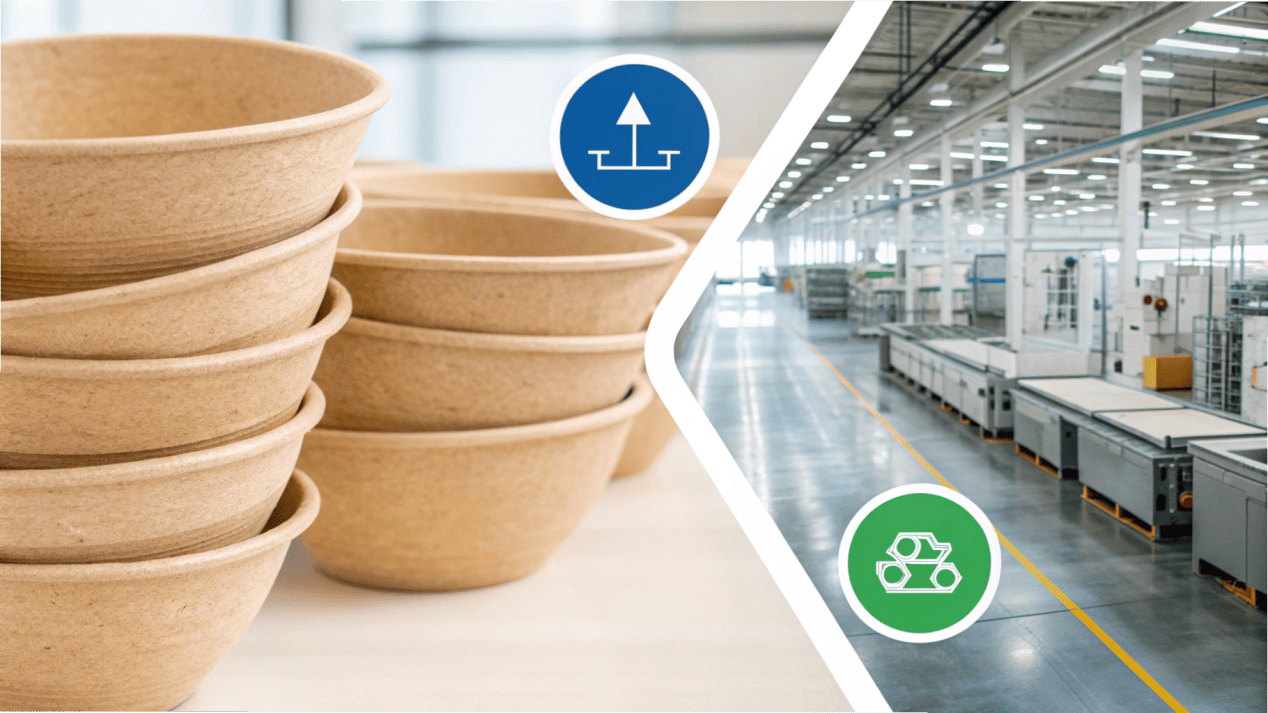
Over my 15 years in this industry, I've seen countless businesses make the same mistake: they choose a supplier based on the lowest price per bowl. This almost always ends in frustration. A truly great manufacturer is a partner who invests in your success. They understand that the bowl they make is a direct reflection of your brand. In today's market, you need more than just a container; you need a guarantee of quality, a commitment to sustainability5, and a partner who understands where the industry is headed. This guide is the checklist I give to all my new clients to help them make the right strategic decision.
How Can You Spot a Truly Leading Supplier?
Many factories look impressive online, promising high quality and low prices. But it is difficult to know if they can deliver on those promises without visiting them in person.
A leader innovates with plastic-free technology, provides non-negotiable certifications like BRC and FDA as proof of quality, and has a long history of successful global exports.
A factory can make a bowl, but a leading supplier builds your brand's reputation. You can tell the difference by looking for three key signs that go beyond the factory floor itself.
1. Innovation Over Imitation
The first thing I check is their technology. Are they still using outdated plastic (PE) linings and calling them "recyclable"? Or have they invested in the future with 100% plastic-free Aqueous coatings6? A true leader isn't just following trends; they are solving real-world problems for their clients. The shift away from single-use plastics is permanent, and a forward-thinking partner will have already mastered the solutions you'll need tomorrow.
2. Non-Negotiable Certifications
Talk is cheap, but certifications are proof. A top-tier manufacturer will never hesitate to show you their credentials. These aren't just pieces of paper; they are your assurance of safety and quality.
| Certification | What It Guarantees For You |
|---|---|
| BRC | Guarantees the highest global standard for food safety and quality control. |
| FDA | Ensures the materials are food-grade and safe for contact with food in the US market. |
| ISO | Proves they have a professional quality management system for consistent production. |
| FSC | Confirms the paper comes from responsibly managed, sustainable forests. |
3. A Proven Global Track Record
Experience is the best teacher. A supplier who has been in business for over 20 years, like we have, has solved thousands of problems. A company that exports to over 80 countries has mastered complex logistics, customs, and global quality standards. They won't be learning how to do their job with your money on the line.
What Specific Quality Criteria Should You Demand?
All kraft bowls look similar at a distance. But a small defect, like a weak seam or a poor lid fit, can ruin your customer's experience and damage your brand's reputation.
Demand 100% virgin wood pulp7 with FSC certification8, a plastic-free Aqueous coating, perfect seam sealing for structural integrity9, and sharp, food-safe printing for your brand.

I've spent years on the factory floor, and I can tell a good bowl from a bad one in seconds. The difference is in the details that most people overlook. Here is what you should look for.
The Right Raw Materials
The foundation of a great bowl is great paper. Always insist on 100% virgin wood pulp7. This ensures the paper is pure, strong, and food-grade. Recycled paper can contain impurities and lacks the strength needed for hot or wet foods. Also, demand FSC certification8 to ensure the paper comes from sustainable forests. Check the paper's weight (GSM); a bowl for hot soup needs a higher GSM than one for a light salad.
The All-Important Coating
This is the most critical factor for 2025. A plastic PE or PLA lining makes a bowl difficult or impossible to recycle. It also risks shedding microplastics. The modern, high-quality standard is an Aqueous coating. It is a 100% plastic-free, water-based solution that makes the entire bowl easily recyclable in any standard paper stream.
Structural Integrity and Finish
Look at the bowl's construction. Are the seams tightly sealed? A poorly sealed bottom is a recipe for leaks. Is the top rim rolled smoothly and perfectly? An uneven rim means the lid won't fit securely, leading to spills. Finally, look at the printing. Your brand's logo should be sharp and vibrant, using only low-odor, food-safe inks10.
How Should You Compare Prices for the Best Value?
It's tempting to choose the supplier with the lowest per-unit price. But this short-term saving often leads to much bigger long-term costs from product failures and brand damage.
Calculate the Total Cost of Value11. Factor in the cost of poor quality, the cost of inflexibility like high MOQs, and the lost marketing opportunity of not having a sustainable product.

One of the biggest lessons I try to teach my clients is to move from thinking about "price" to thinking about "value." A cheap bowl that fails is infinitely more expensive than a quality bowl that works every time.
The Cost of Poor Quality
What is the cost of a customer's soup leaking all over their car? It's the loss of that customer forever, plus the negative online review they will leave. A cheap bowl from a non-certified factory is a gamble. Investing a little more in a product from a BRC-certified facility is an insurance policy for your brand's reputation.
The Cost of Inflexibility
Many large factories require enormous Minimum Order Quantities (MOQs)12 that are impossible for a growing business to meet. A true partner uses modern, flexible production lines that can support both large and small orders. This allows you to test new products or manage your inventory without tying up all your cash.
The Cost of a Lost Opportunity
In 2025, sustainability5 is a powerful marketing tool. Using a non-recyclable PE-lined bowl is a missed opportunity. When you choose a truly recyclable, Aqueous coated bowl, you gain a powerful story to tell your customers. This story of genuine environmental responsibility can build brand loyalty and even justify a premium price for your product.
What Global Sourcing Trends Must You Know for 2025?
The world of sourcing and manufacturing is changing faster than ever. What worked last year might not work next year, and falling behind can put your business at risk.
The key trends for 2025 are the global mandate for plastic-free packaging13, the need for resilient supply chains, and the growing demand for hyper-customization14 in branding.
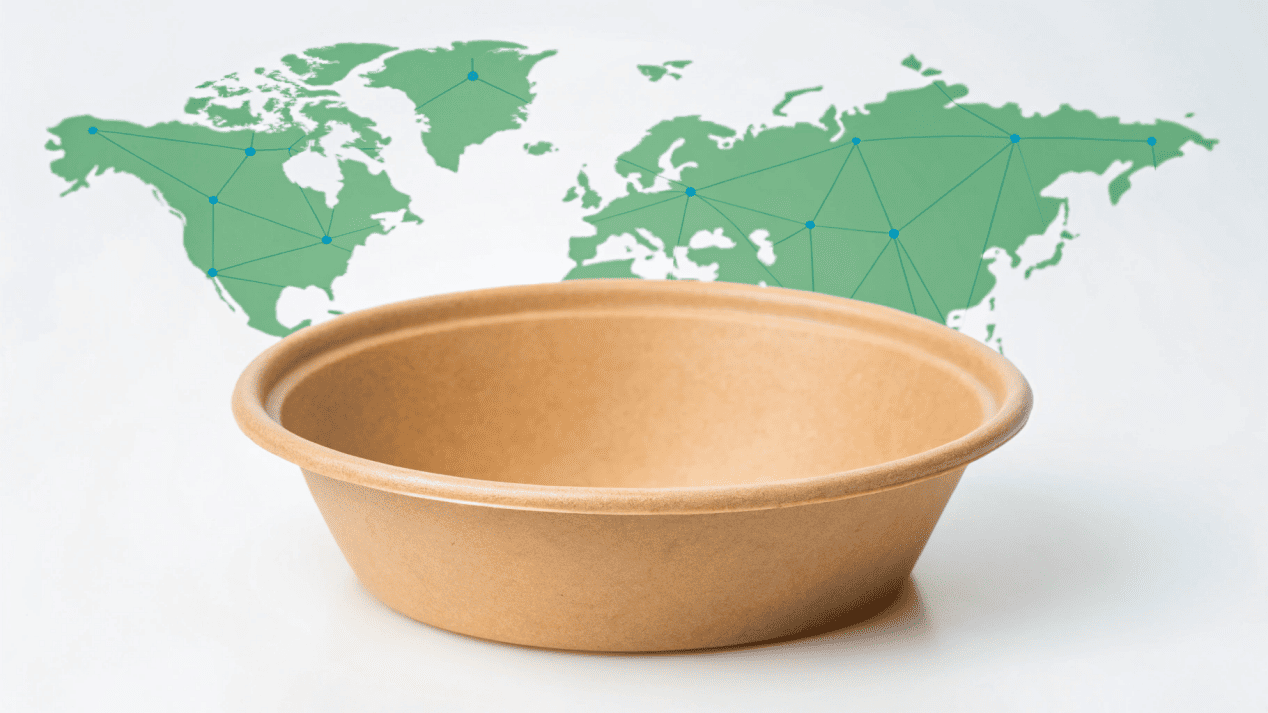
A strategic manufacturing partner doesn't just make your products; they help you navigate the future. Here are the three most important trends we are helping our clients prepare for.
The Plastic-Free Mandate
Governments and consumers worldwide are rejecting single-use plastics. More bans and taxes are coming. By aligning with a manufacturer who has already mastered plastic-free technologies like Aqueous coatings6, you become a leader. You are ready for future regulations instead of being forced to react to them.
Supply Chain Resilience
Recent years have taught us that relying on a single region for supplies is risky. A manufacturer with a diverse global client base, like ours across over 80 countries, has inherently more stable and crisis-tested operations. Their experience in global logistics builds a more resilient supply chain for your business.
Hyper-Customization
In a crowded market, brands need to stand out. The demand for unique sizes, shapes, and high-quality custom printing is growing. Your supplier should not be a one-size-fits-all factory. They should be a customization expert who can act as a consultant to help you design a bowl that is unique to your brand.
Conclusion
Choosing a manufacturer is about finding a strategic partner. Look for one who guarantees quality, understands true value, and is aligned with the future of sustainable packaging15.
Explore the relationship between packaging quality and brand reputation in the market. ↩
Learn about the importance of certified quality in manufacturing and how it impacts product reliability. ↩
Discover the advantages of using plastic-free coatings for sustainability and product safety. ↩
Find out why a proven global track record is crucial for ensuring quality and trust in manufacturing. ↩
Explore the growing importance of sustainability in packaging and its impact on consumer behavior. ↩
Learn about Aqueous coatings and their role in making kraft paper bowls recyclable and safe. ↩
Understand the significance of using 100% virgin wood pulp for strength and food safety in bowls. ↩
Explore the importance of FSC certification in ensuring sustainable sourcing of paper products. ↩
Discover how structural integrity ensures the performance and reliability of kraft paper bowls. ↩
Understand the importance of food-safe inks in ensuring the safety and quality of printed packaging. ↩
Understand the concept of Total Cost of Value and how it impacts long-term business decisions. ↩
Learn about MOQs and their implications for businesses when choosing suppliers. ↩
Stay updated on the latest trends in plastic-free packaging and their relevance for the future. ↩
Learn about hyper-customization and how it can help brands stand out in a competitive market. ↩
Learn about the advantages of adopting sustainable packaging practices for your business. ↩