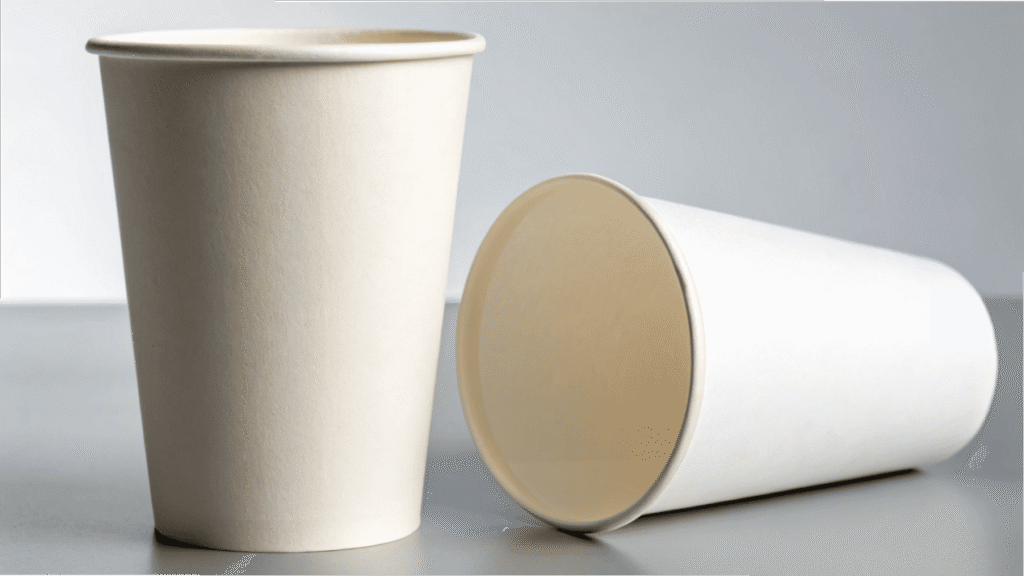
You need a paper cup supplier, but are overwhelmed by the choices. A bad choice could damage your brand with poor quality cups and hurt your business with late deliveries.
To choose the right supplier, you must evaluate four key areas. Scrutinize their quality standards1, demand to see food-safety certifications2, understand their pricing structure3, and verify their global logistics capabilities4.
A paper cup is more than just paper. It is a handshake with your customer. In my 20+ years as a manufacturer, I have seen businesses struggle because they chose the wrong partner. It's not just about the cup; it's about trust. Your supplier is an extension of your team, and their performance directly impacts your brand and your profit. I created this four-point checklist to help my clients avoid common mistakes and make a confident choice that will help their business grow.
How Can You Judge a Supplier's Quality Standards?
A customer gets a flimsy, leaky cup. They don't blame the cup; they blame your expensive coffee. Your brand's reputation for quality is instantly damaged by something that isn't even your main product.
Ask about the paper's GSM (grams per square meter)5 to judge its thickness. The best cups use 100% virgin wood pulp6 for strength and hygiene. Always check the printing quality7 to ensure your logo is crisp.
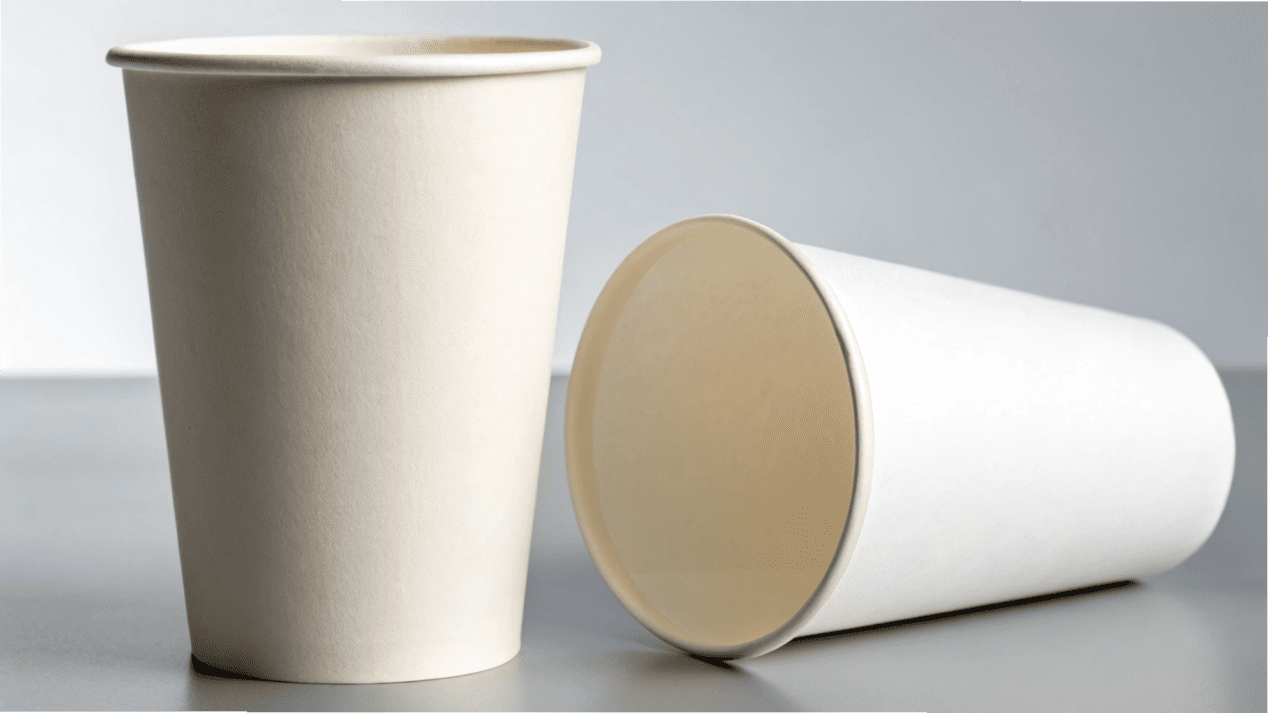
As an engineer, quality is my obsession. A cup must perform its function perfectly. It should feel strong and reliable in your customer's hand. The first thing to ask about is the paperboard itself. The key metric is GSM, or grams per square meter. A higher GSM means thicker, more rigid paper. I also insist on using only 100% virgin wood pulp6. This is critical for two reasons: it provides the strongest fibers to prevent sogginess, and it guarantees food safety, as there are no unknown materials from a recycling process. Finally, look at their printing. Your cup is a mobile billboard for your brand. A fuzzy or faded logo looks unprofessional. We use advanced Heidelberg printing presses to ensure your brand's colors are vibrant and your logo is sharp. A quality supplier will be proud to send you samples so you can feel the difference for yourself.
| Quality Factor | Low-Quality Supplier | High-Quality Partner (HAOKELAO) |
|---|---|---|
| Paper Material | Flimsy, low GSM, recycled content | Rigid, high GSM, 100% virgin pulp |
| Performance | Can get soggy, leak, has paper taste | Excellent insulation, no-crush feel, zero taste |
| Printing | Fuzzy, faded logo, inconsistent colors | Crisp, vibrant, photo-realistic quality |
What Certifications Are Non-Negotiable for a Paper Cup Supplier?
Any supplier can tell you their cups are safe and made ethically. But their words are not enough. Without official proof, you are taking a huge risk with your business and your customers' health.
Demand to see their "alphabet of trust." Key certifications are FDA or BRC8 for food safety, ISO for quality management systems, and FSC for responsible paper sourcing. These are not optional; they are essential.
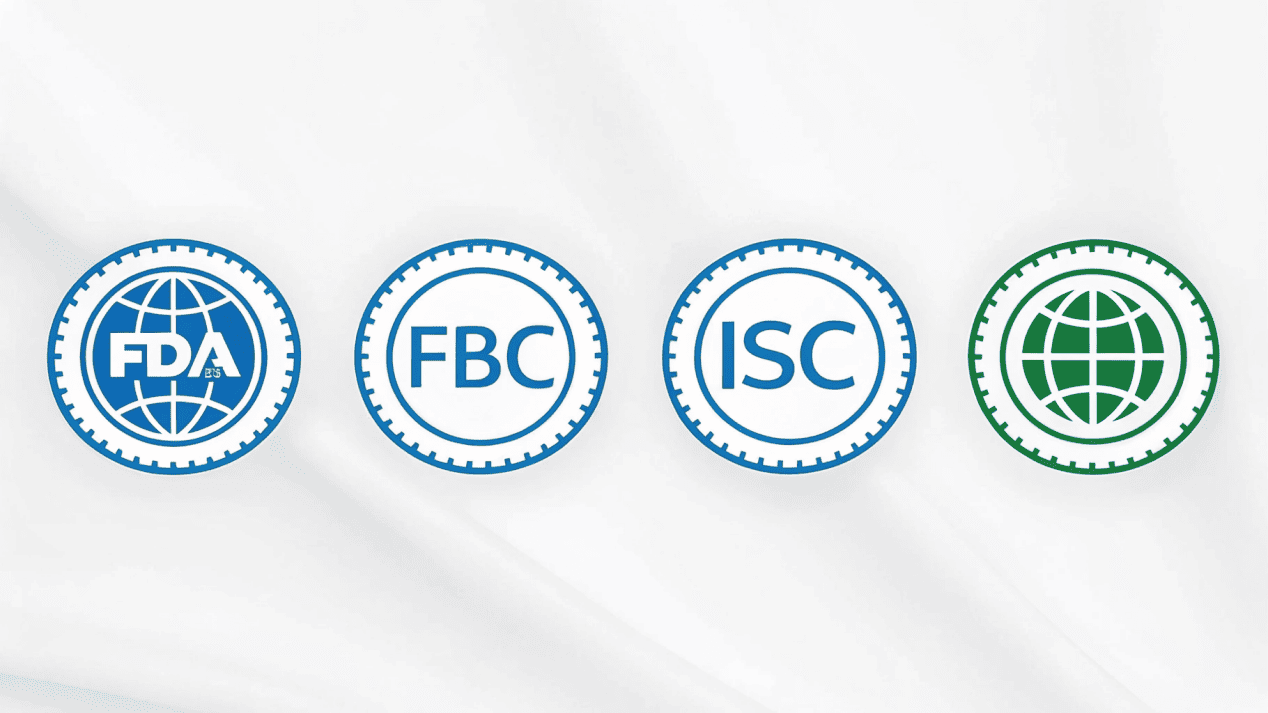
I cannot stress this enough: do not partner with a supplier who cannot show you their certifications. This is a massive red flag. These documents are objective, third-party proof that a factory meets global standards for safety and ethics. Here are the most important ones to demand:
- FDA / BRC: These are the gold standards for food safety. They guarantee that the materials used and the manufacturing process are hygienic and safe for contact with food.
- ISO: The ISO certification9 shows that the factory has a strong quality management system. It means they have processes in place to ensure every cup in your order is made to the same high standard. It's about consistency.
- FSC (Forest Stewardship Council)10: This proves the paper comes from a responsibly managed forest. It shows that the supplier cares about sustainability, which is a powerful story for your customers. We worked hard for years to earn these credentials. We proudly display them because they are our promise to you that our products are compliant, safe, and ethical.
How Do You Find the Best Price Without Sacrificing Quality?
You found a supplier with a shockingly cheap price. It is very tempting to say yes. But that cheap price can often lead to the highest total cost in hidden fees, poor quality, and lost sales.
The best value comes from buying directly from the factory, not a trading company. This eliminates middleman markups. A true manufacturing partner offers transparent, factory-direct pricing11 and can scale with you.
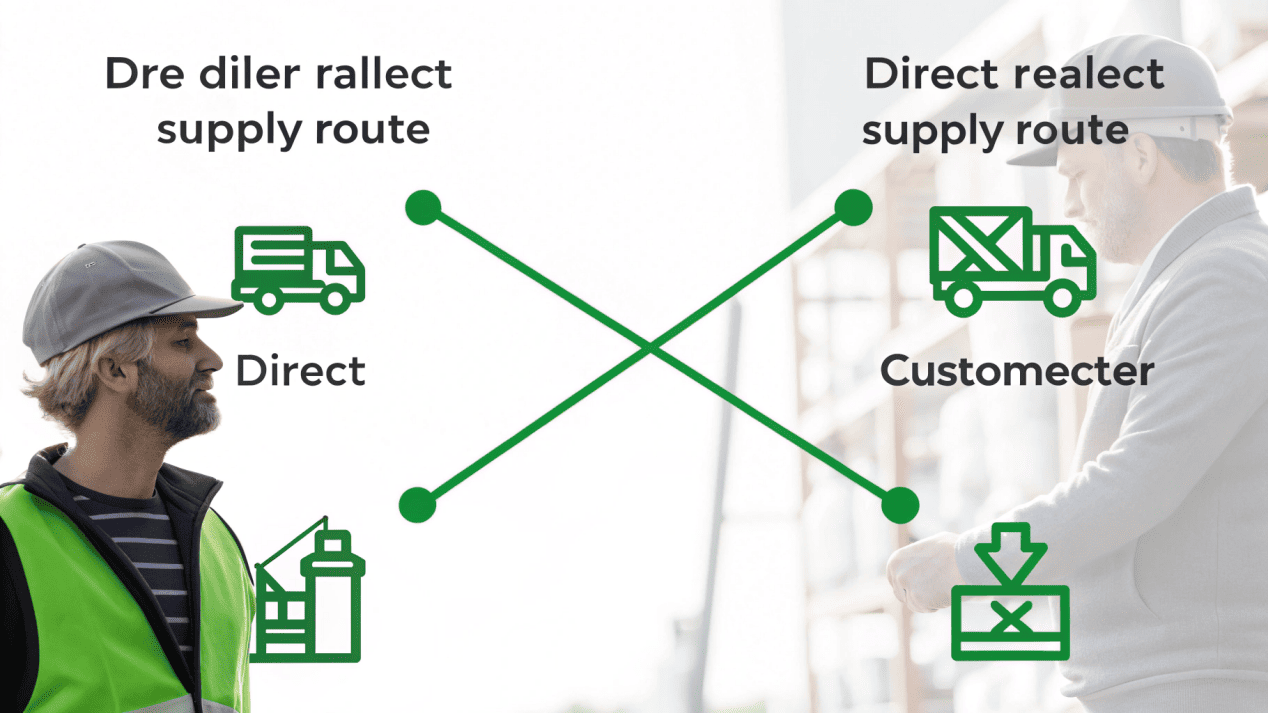
The first question you should ask about pricing is: "Are you the factory or a trading company?" A trading company, or middleman, buys from a factory like mine and adds their own profit margin before selling to you. By choosing a direct manufacturer like HAOKELAO, you cut out this extra cost immediately. The second part of value is understanding how volume works. There are fixed costs to set up any production run. Spreading those costs over a large order means the per-cup price gets much lower. But a true partner doesn't just push you to buy more. My "Good Client" service team works with you to find the right order quantity for your business. Because our production lines are flexible, we can offer surprisingly low Minimum Order Quantities (MOQs)12 for custom-printed cups, making premium packaging accessible even for growing brands. Our quotes are always honest and transparent—the price you see is the price you pay.
| Supplier Type | Pricing Structure | Value Proposition |
|---|---|---|
| Trading Company | Adds markup to factory price | Low, but often has hidden fees and quality risks |
| Factory Direct (HAOKELAO) | True wholesale cost | Competitive and transparent pricing for high quality |
Why Is Logistics as Important as the Cup Itself?
You designed the perfect cup, and you found a great price. But the cups are now a month late, stuck in customs, or arrived damaged. You just ran out of cups at your shop and are losing sales every hour.
Logistics determines reliability. An expert supplier will have fast production lead times13, proven experience shipping to your country, and the ability to manage all customs paperwork14, guaranteeing your supply chain is stable.

A great product is worthless if it doesn't arrive when you need it. After more than 21 years of shipping to over 80 countries, I can tell you that logistics is a separate and very important skill. It is our superpower. When you evaluate a supplier's logistics, you need to verify a few things. First, what is their production lead time? Our streamlined process allows for very fast production, meaning we can ship quickly. Second, do they have proven experience shipping to your country? We have mastered the art of global delivery and know how to handle customs and import documents. We are experts in optimizing container loads (both FCL and LCL) to minimize your shipping costs15. Finally, what happens if there's a problem? Our dedicated, 24/7 "Good Client" service team manages the entire process for you. They provide tracking and support until the boxes arrive safely at your door. We ensure your supply chain is reliable so you can focus on your business.
Conclusion
Choosing a supplier is a major business decision. By carefully checking their quality, certifications, pricing model, and logistics, you can find a true partner who will help your business succeed.
Understanding quality standards is crucial for ensuring your supplier meets your expectations and maintains your brand's reputation. ↩
Exploring food-safety certifications helps you ensure that your supplier adheres to health regulations, protecting your customers. ↩
A clear understanding of pricing structures can help you avoid hidden fees and ensure you get the best value for your investment. ↩
Evaluating logistics capabilities ensures timely delivery and reliability, which are critical for maintaining your business operations. ↩
Learning about GSM helps you assess the thickness and durability of paper cups, impacting customer satisfaction. ↩
Understanding the benefits of virgin wood pulp can help you choose safer and more reliable paper products for your business. ↩
High printing quality is essential for brand image; exploring this topic can help you maintain a professional appearance. ↩
These certifications are crucial for food safety; knowing their importance can help you choose a compliant supplier. ↩
ISO certification indicates a supplier's commitment to quality management, ensuring consistency in their products. ↩
FSC certification ensures sustainable sourcing, appealing to environmentally conscious consumers and enhancing your brand's image. ↩
Factory-direct pricing can lead to significant cost savings, making it essential for businesses looking to maximize profits. ↩
Understanding MOQs helps you manage inventory effectively and avoid overcommitting to large orders. ↩
Production lead times are critical for planning; knowing how to evaluate them can prevent supply chain disruptions. ↩
Understanding customs paperwork is vital for smooth international transactions and avoiding delays in delivery. ↩
Minimizing shipping costs can significantly impact your overall budget, making it essential for financial planning. ↩