
Serving lukewarm soup at an event is a disaster. It disappoints guests and can ruin your reputation. The right cup size is the key to mastering your soup service1.
Choose sizes based on portion needs: 8oz for tasters, 12oz for standard meals, and 16oz for mains. Ensure the cups offer excellent heat retention2 and use custom printing3 to turn every cup into a marketing tool.
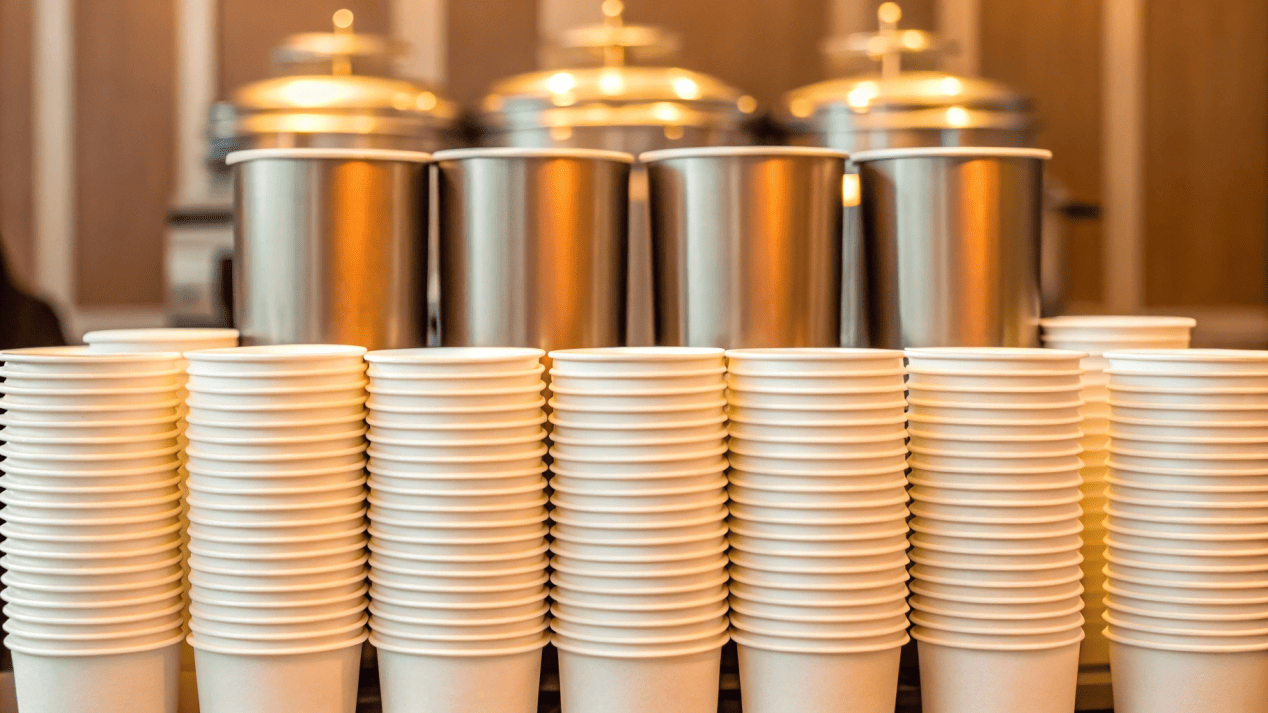
As a packaging engineer, I know that serving soup flawlessly is one of the toughest challenges for a caterer. Your success does not just come from the recipe. It comes from the container you use. This choice is a strategic decision that affects everything from your profits to your customer satisfaction4. It is a critical piece of equipment for your business. Let's look at the factors that matter most when you are choosing your inventory.
How Do You Keep Catered Soup Hot?
Serving cold soup is a caterer's nightmare. It reflects poorly on your quality and professionalism. A well-engineered soup cup is your first line of defense against this service failure.
Keep soup hot with a heavy-duty paperboard5 cup featuring a tightly rolled rim and a secure, vented lid6. This combination traps heat and creates a reliable thermal barrier for transport and service.
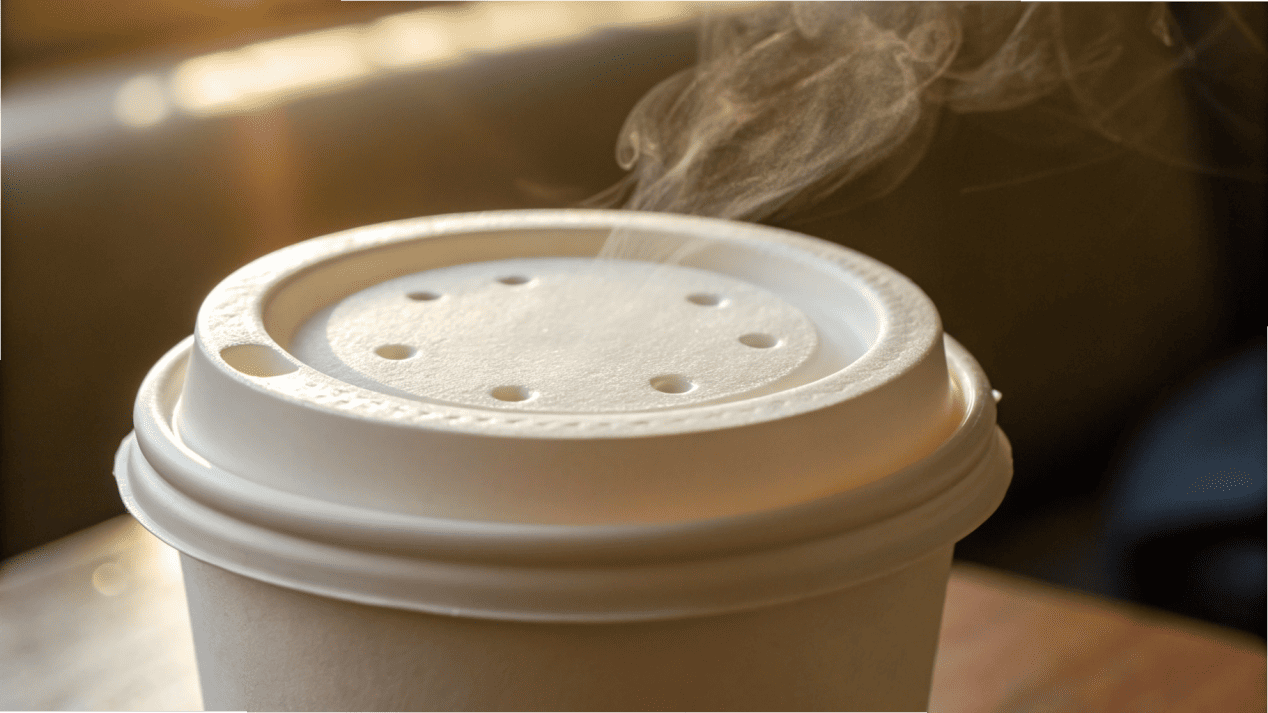
The science of keeping soup hot is a combination of three important things. First, you need heavy-duty, thick-gauge paperboard. This provides a natural layer of insulation. Second, you need a tightly rolled rim for a perfect seal. Third, and most important, you need a secure, vented lid6. The lid is crucial because it traps steam and heat inside. The small vent allows just enough pressure to escape. This prevents the lid from popping off during transport and stops the cup from becoming soggy. A great cup gives you a wider service window. It means your soup stays hotter for longer, which reduces guest complaints and protects your reputation for high-quality food. At my factory, we build our soup cups from premium-grade, dense paperboard specifically chosen for its insulating properties. Our precise manufacturing process ensures a perfect seam and a snug-fitting lid every single time. We engineer a thermal barrier you can trust.
| Feature | Standard Paper Cup | Engineered Soup Cup |
|---|---|---|
| Material | Lighter paperboard | Heavy-duty, dense paperboard |
| Lid Seal | Basic, non-vented | Secure-fit, vented lid6 |
| Heat Retention | Poor to Moderate | Excellent |
What Are the Best Soup Cup Sizes for Portion Control?
Inconsistent portions can destroy your catering profits7. You either end up wasting expensive ingredients or you leave some guests feeling that their portion was too small. Using specific cup sizes solves this problem.
Use 8oz (240ml) for tasters, 12oz (350ml) for standard lunch portions, and 16oz (470ml) when soup is the main meal. This strategy ensures consistency, eliminates waste, and maximizes profitability.
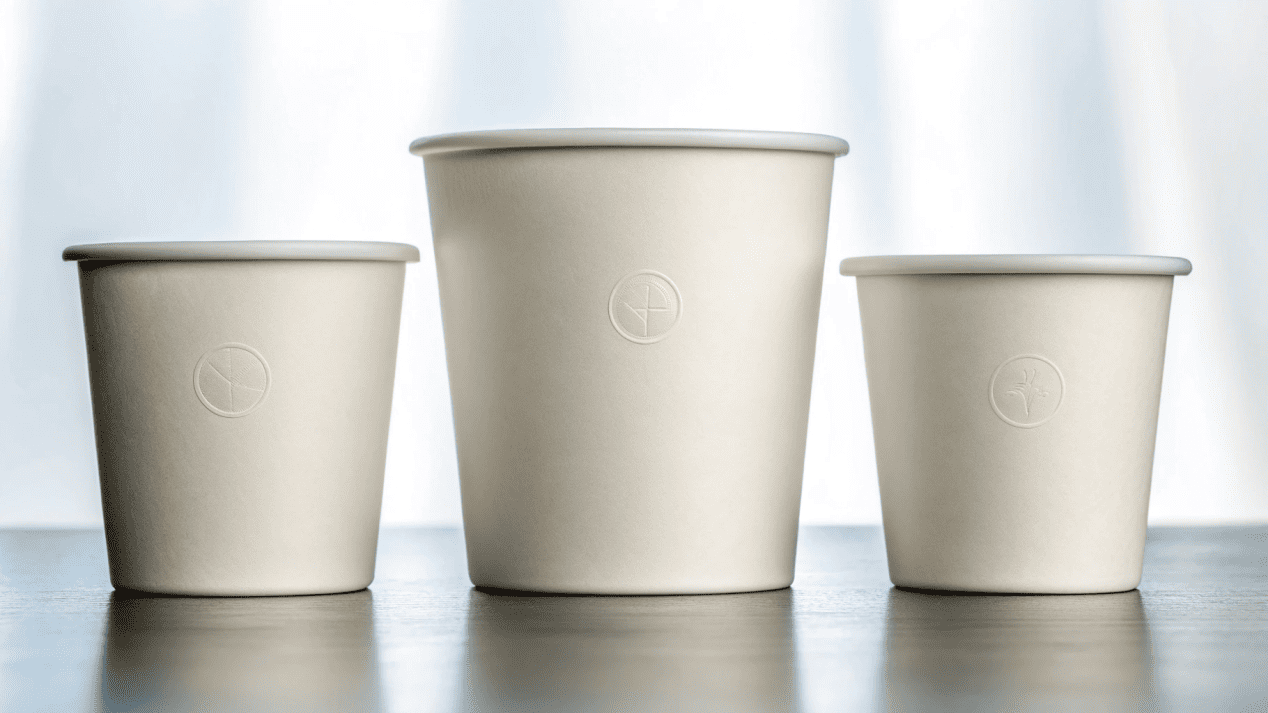
Portion control is the heart of profitability in the catering business8. Using the right cup size for the right menu item is a simple way to protect your bottom line. It removes guesswork and makes sure every guest gets the exact same amount. Here is a simple guide to our most popular catering sizes that my most successful clients use:
- 8 oz (approx. 240ml) - The Taster: This is perfect for serving small "sips" of soup during a cocktail hour or as part of a tasting menu. It is the ideal size for controlling costs when you are serving premium recipes like a lobster bisque.
- 12 oz (approx. 350ml) - The Standard: This is the workhorse for most catering events. It is a satisfying portion for a business lunch, a conference break, or as the first course for a dinner. It provides excellent value for you and your client.
- 16 oz (approx. 470ml) - The Meal: When soup is the main event, like a hearty chili or stew at an outdoor festival, this is the size you need. It is a full, generous meal that justifies a higher price point.
We offer a complete range of these sizes, and often, the lids are interchangeable between them. This simplifies your inventory and makes your service flow much smoother.
How Can a Soup Cup Become a Marketing Tool?
You serve hundreds of guests at an event, but they leave without your contact information. You are missing out on dozens of potential future bookings from impressed attendees who loved your food.
A custom printed soup cup with your logo and contact details turns every guest into a potential client. It acts as your business card, signaling professionalism and making it easy for them to hire you.

At any event, your food is your primary advertisement. But the cup in the guest's hand is your business card. Imagine a guest at a corporate lunch. They are holding your cup, enjoying your soup, and talking to the event organizer. Your logo is right there in their hand. This is a powerful and silent salesperson for your business. It signals a level of professionalism and attention to detail that impresses everyone. A beautifully branded cup elevates the entire dining experience. It transforms a simple bowl of soup into a curated part of a professional event. It reinforces the quality and care you put into your craft. For years, only the biggest catering companies could afford this kind of branding. But with our modern printing technology and low Minimum Order Quantities (MOQs), professional branding is now accessible to caterers of all sizes. We can help you design a cup that gets you noticed, and more importantly, gets you re-hired.
What Are the Smartest Ways to Order Soup Cups in Bulk?
Ordering catering supplies9 can be stressful and expensive. Running out of the right size cup in the middle of a big event is a disaster. A smart ordering strategy will save you time and money.
Analyze your menu to order a mix of sizes, allow 2-3 extra weeks for custom printing3 jobs, and ask about "nested" packaging to save on shipping and storage space.
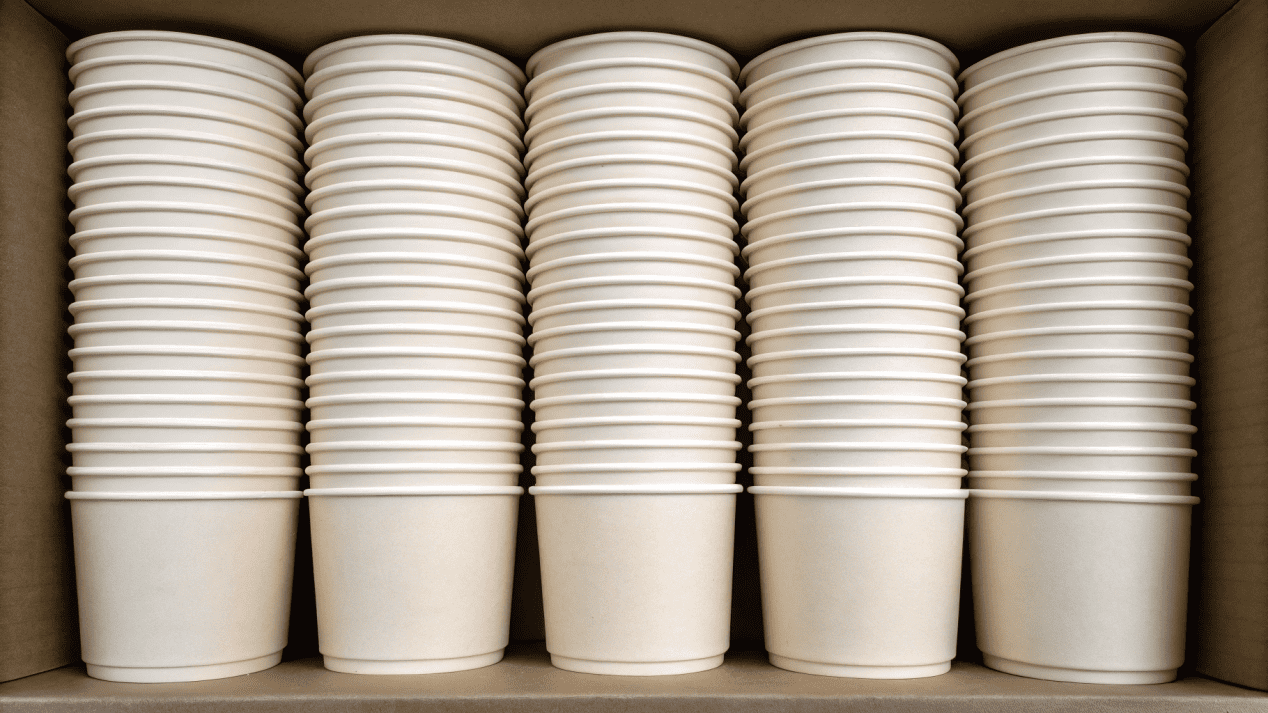
As an engineer and a factory owner, I think about efficiency constantly. Your ordering strategy should be just as efficient as your kitchen. Here are a few pro tips for caterers who need to order in bulk.
- Tip 1: Analyze Your Menu Mix. Do not just order one size. Look at your bookings for the next few months. If you offer both appetizer and meal-sized soups, order a 70/30 split between your standard size (12 oz) and your other most-used sizes. This prevents stock shortages.
- Tip 2: Plan for Custom Printing. A branded cup is a powerful tool, but it requires planning. Always allow an extra 2-3 weeks in your ordering schedule for custom print jobs. This is especially important during your busy seasons.
- Tip 3: Ask About "Nested" Packaging. This is a very important detail. "Nested" means the cups are stacked tightly together. This minimizes the volume of the shipping box, which saves you a lot of money on shipping and a lot of valuable space in your storeroom.
Our support team understands the pressures of your industry. We can help you plan your inventory to make sure you always have what you need when you need it.
Conclusion
Your soup cups are critical tools for quality control, profitability, and marketing. Choosing the right sizes and partner will help your catering business8 succeed at every single event.
Explore this resource to enhance your soup service skills and ensure guest satisfaction. ↩
Learn about innovative solutions for heat retention to elevate your catering experience. ↩
Explore how custom printing can enhance your brand visibility and attract new clients. ↩
Explore strategies to enhance customer satisfaction and ensure repeat business. ↩
Discover why heavy-duty paperboard is essential for maintaining soup quality during events. ↩
Understand the importance of vented lids in preventing spills and maintaining temperature. ↩
Understand the critical factors that can impact your catering profits and business success. ↩
Gain insights into best practices that can help your catering business thrive. ↩
Get a comprehensive list of essential catering supplies to ensure smooth event operations. ↩