
You use them every day but might never think about the process. This simple object holds a complex secret, and one small change in how it's made dramatically impacts our planet.
Paper cups are made by printing and cutting special paperboard, using a machine to form it into a cup shape, and applying a waterproof coating1. The choice of coating determines if it is truly recyclable2.
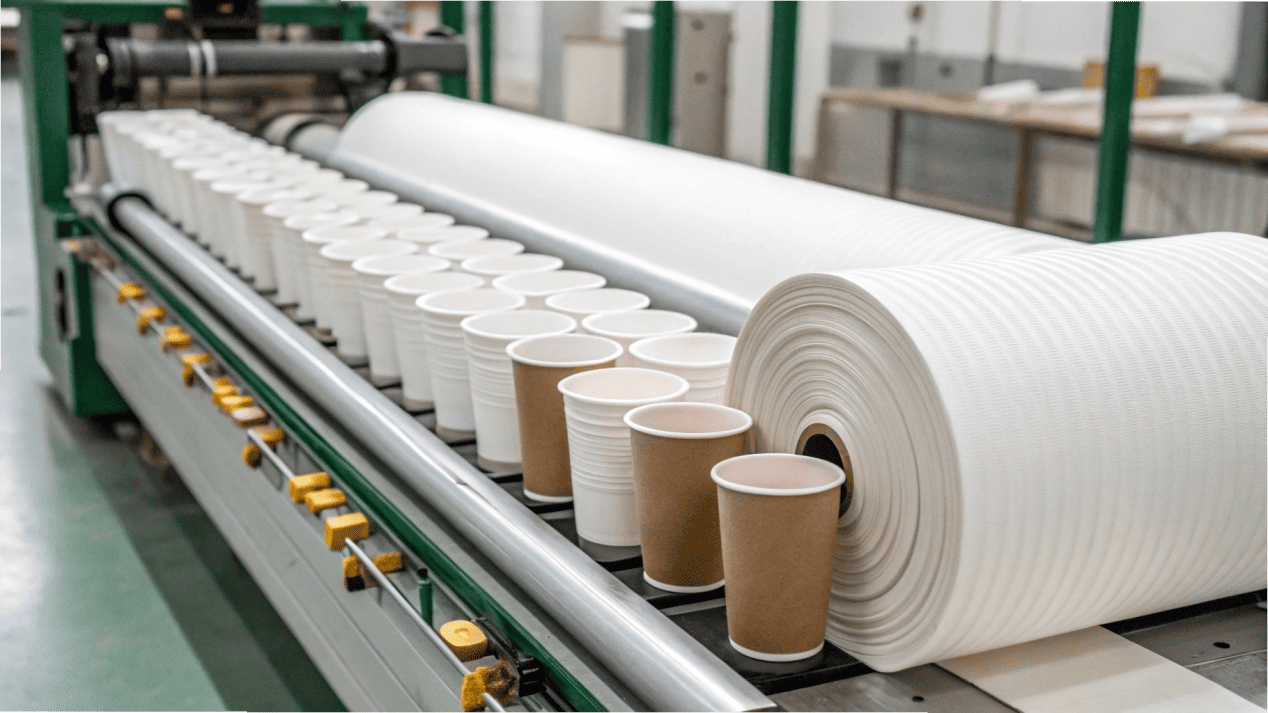
As a mechanical engineer, I love watching high-speed machines3 at work. The first time I saw a cup forming machine4 spitting out perfectly shaped cups faster than I could count, I was hooked. It’s a beautiful dance of mechanics and material science. But the most important part isn't the speed; it's the materials we choose before the machine is even turned on. Let's walk through the entire journey, from the forest to the final cup you hold.
Where Does the Paper for Coffee Cups Come From?
You worry that disposable cups contribute to deforestation. This makes you feel a little guilty with every coffee, wondering if there's a more responsible way to source them.
The paper comes from "cup stock5," a special paperboard made from wood pulp. Responsible manufacturers like us source this only from FSC-certified6, sustainably managed forests7 where trees are continually replanted.
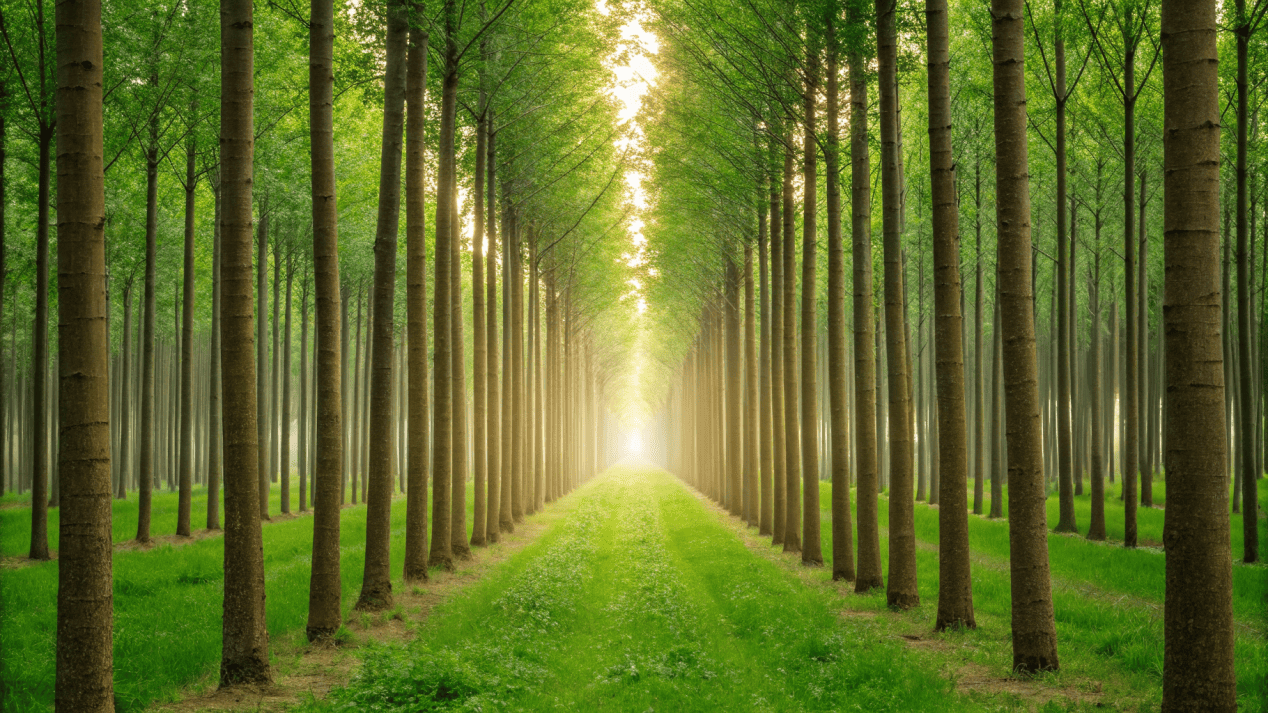
Everything starts with the paper itself. It isn't just any paper; it has to be strong, pure, and safe for contact with food. This special paperboard is called "cup stock5." It begins its life as wood pulp, which is then pressed, dried, and rolled into massive reels, some weighing over a ton. I've visited the paper mills where this happens, and the scale is incredible. What’s most important to me, as both a manufacturer and a consumer, is where the wood pulp comes from. We strictly use paperboard from certified suppliers. This certification, like the FSC (Forest Stewardship Council), is a guarantee. It means the paper comes from a forest where harvesting is managed responsibly and new trees are planted to replace the ones used. It ensures a continuous, renewable cycle, so you're not using a material that will run out.
| Paper Source | Key Characteristics | Environmental Impact |
|---|---|---|
| Certified Cup Stock | High purity, food-grade, strong fibers | Sourced from renewable, managed forests |
| Uncertified/Recycled | Potential impurities, weaker structure | Unknown origin, may not be food-safe |
How Is a Flat Piece of Paper Turned Into a Cup?
It seems impossible to turn a flat sheet into a leak-proof cup in seconds. The speed and precision required can feel like some kind of factory magic you can't comprehend.
A machine wraps a fan-shaped "cup blank" around a cone-shaped mold. It then uses heat to seal the side, insert and seal the bottom disc, and finally curl the top rim.
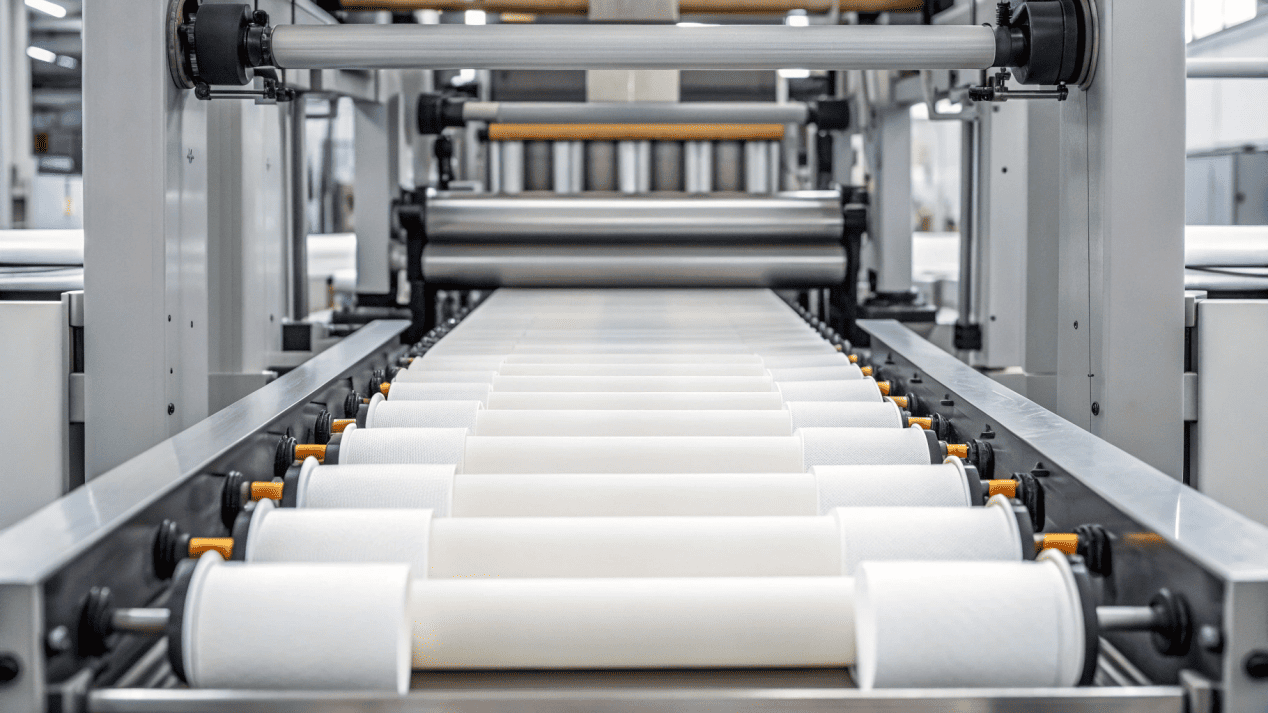
This is the part that fascinates my inner engineer. The giant roll of printed paperboard is fed into the forming machine. First, it’s die-cut into a flat, fan-shaped piece called a "cup blank." This is the body of the cup. Then, the magic begins.
The High-Speed Forming Process
- Wrapping: The cup blank is perfectly wrapped around a heated, cone-shaped mold called a mandrel.
- Side Sealing: As it's wrapped, high heat or ultrasonic vibrations are applied to the seam, welding the paper edges together to create a strong, leak-proof side.
- Bottoming: A small paper circle, which was punched from another roll, is inserted into the bottom. The machine then heats and presses the bottom edge of the cup wall, sealing it tightly to the base. This process is called knurling, and it's what creates the textured ring at the bottom of your cup.
- Rimming: Finally, the top edge of the cup is rolled and curled to form the smooth, comfortable rim that you sip from. This rim also gives the cup rigidity and ensures a tight fit for the lid.
All of this happens in a fraction of a second. A single machine can produce over 200 cups per minute.
How Does a Paper Cup Hold Hot Liquid Without Leaking?
A paper cup holding hot liquid seems to defy logic. You know there's a barrier, but you worry this hidden liner is just a layer of non-recyclable2 plastic.
A waterproof coating1 is applied to the paper. The old way uses a plastic (PE) film, making it trash. The new, better way uses a water-based Aqueous coating8, making it plastic-free and fully recyclable2.
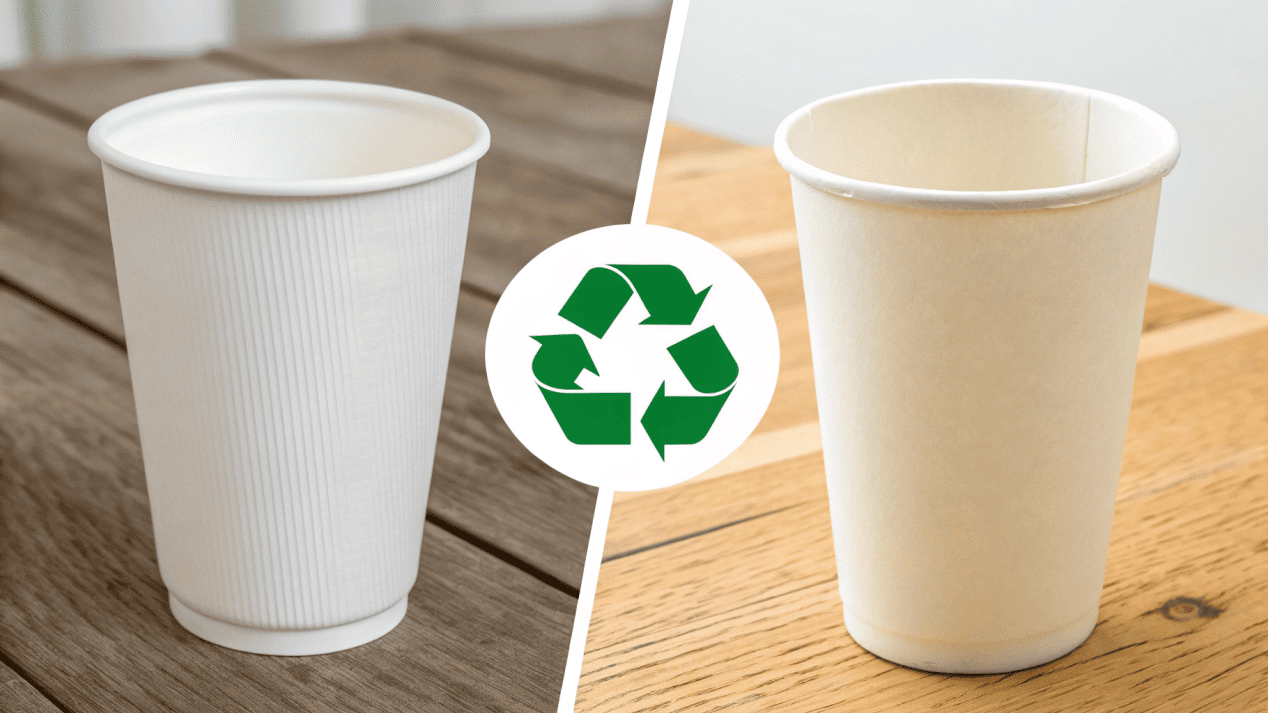
This is the most critical step in the entire process. Without a waterproof barrier, the cup would turn to mush in seconds. For decades, there was only one way to do this, but technology has given us a much better option.
Method A: Traditional PE (Polyethylene) Coating
This is the old standard. A thin film of plastic is laminated onto the paperboard with heat. It's effective at waterproofing, but it's an environmental problem. This fused layer of plastic and paper makes recycling extremely difficult. Standard paper mills reject these cups because the plastic contaminates the paper pulp. They mostly end up in landfills.
Method B: The Haokelao Revolution: Aqueous Coating
This is the future, and it's the technology we champion. Instead of a plastic film, it’s a water-based, plastic-free liquid sprayed onto the paper. It seeps into the paper fibers and dries, creating a waterproof barrier from within. It becomes part of the paper itself. The advantage is staggering: since there's no plastic, any normal paper mill can recycle it, just like a newspaper.
| Feature | PE (Polyethylene) Coating | Aqueous (Water-Based) Coating |
|---|---|---|
| Material | Fossil-fuel based plastic film | Plastic-free, water-based liquid |
| Application | Laminated onto paper with heat | Sprayed on and absorbed by paper |
| Recyclability | Extremely difficult; requires rare facilities | Easy; recyclable2 in any standard paper bin |
| End of Life | Landfill | Circular Economy (becomes new paper) |
How Do You Guarantee Every Single Cup Is Perfect?
You've received a batch of cups where some leaked or the lids didn't fit. This creates messes for customers and damages your cafe's hard-earned reputation.
Through rigorous quality control checks9 at every stage. We test every batch for leaks, dimensional accuracy10 for lid fit, print quality, and overall strength before any cup leaves our factory.
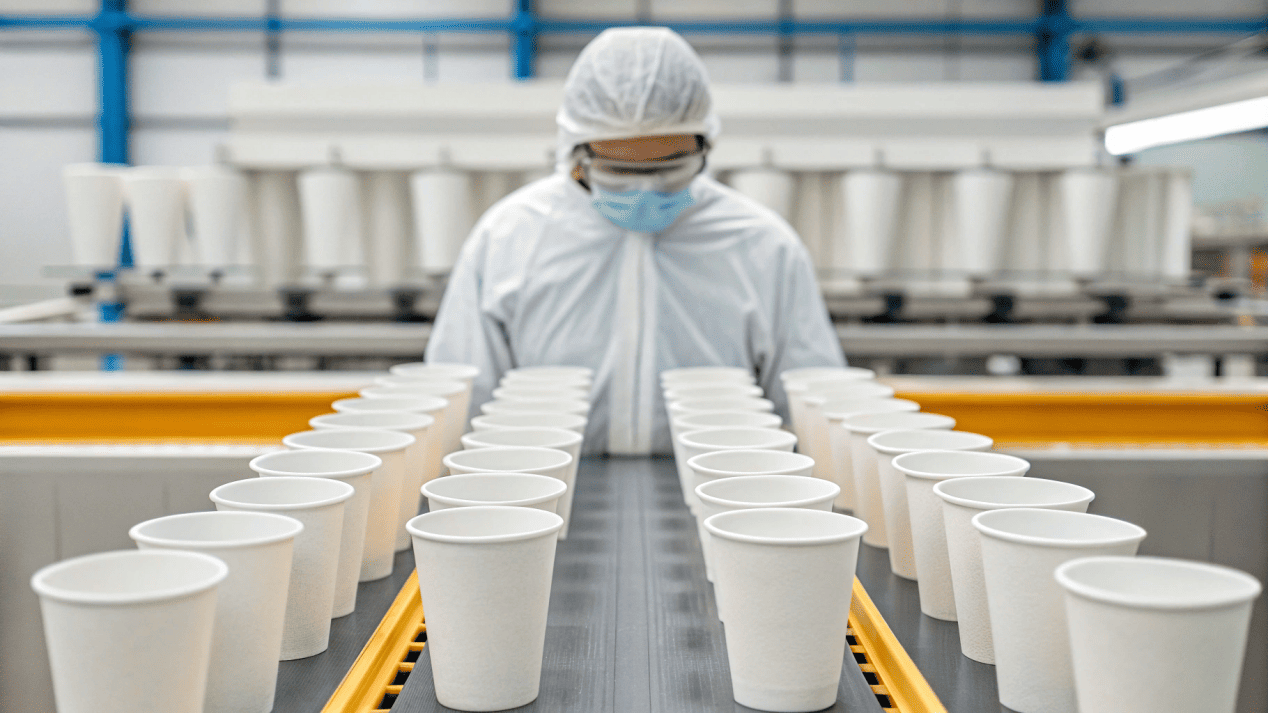
A machine can make a cup, but only people can ensure its quality. I would never ship a product that I wouldn't be proud to use myself. That’s why our quality control process is non-negotiable. It’s a series of gates that every batch must pass through before it’s approved. We pull cups directly from the production line and perform a battery of tests. We fill them with colored hot water and let them sit to check for any micro-leaks in the side seam or base. We use digital calipers to measure the height and rim diameter down to the fraction of a millimeter to guarantee a perfect, snap-on fit with lids. We inspect the printed cups under special lighting to ensure the colors are vibrant and the logo is sharp. We even do a simple "squeeze test11" to feel the cup's rigidity. A flimsy cup feels cheap. A sturdy cup feels high-quality. Only when a batch passes all these tests are the cups sleeved, boxed, and sent to our clients.
Conclusion
The journey from forest to cup is a feat of engineering. The most crucial choice is the waterproof coating1—it decides if a cup becomes trash or a truly recyclable2 product.
Find out about different waterproof coatings and their impact on recyclability. ↩
Understand the criteria that determine whether a product can be recycled. ↩
Delve into the technology behind high-speed machines and their role in efficient production. ↩
Discover the mechanics behind cup forming machines and their efficiency in production. ↩
Learn about cup stock, its production process, and its importance in making paper cups. ↩
Understand the significance of FSC certification in promoting sustainable forestry practices. ↩
Discover the practices that ensure forests are managed sustainably for future generations. ↩
Learn about Aqueous coating technology and its benefits for the environment. ↩
Explore effective quality control practices that ensure product reliability and safety. ↩
Explore the importance of dimensional accuracy in ensuring product compatibility. ↩
Learn about the squeeze test and its role in assessing product quality. ↩