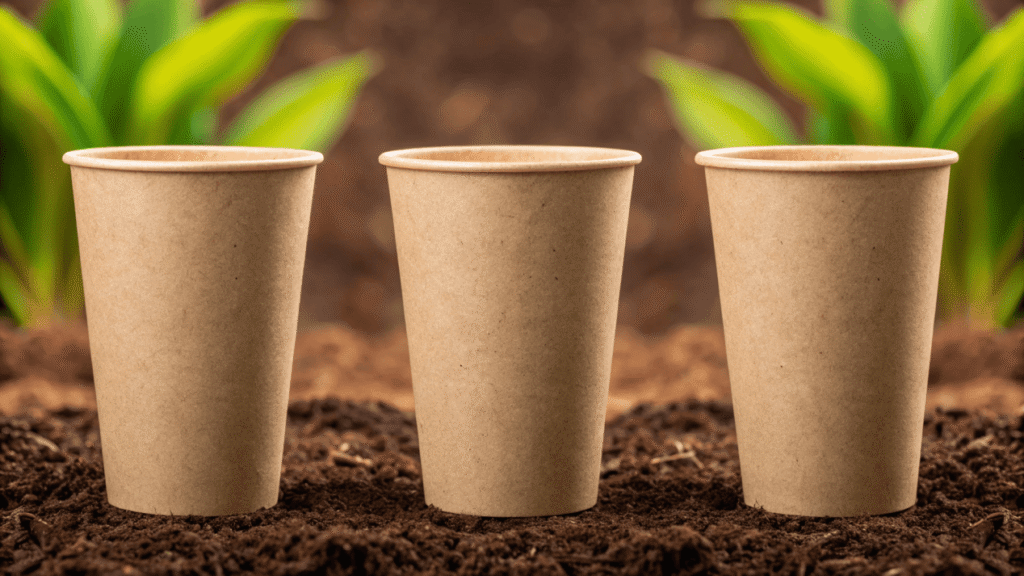
Your business faces pressure to be sustainable. Old plastic-lined cups make your brand look outdated, risking customer loyalty and falling behind the competition.
The sustainability push1 is reshaping the industry by replacing plastic PE coatings2 with plant-based PLA3. This drives massive market demand for compostable products4 and forces the entire supply chain to shift from fossil fuels5 to agriculture-based materials.
The simple paper cup has become the center of a global revolution. At HAOKELAO, we have been engineering the future of sustainable packaging6 for over two decades, and this is the biggest change our industry has ever seen. It's not just a trend; it's a fundamental shift in how business is done. I see it driven by four interconnected forces that are creating a new standard for success.
Why Are PLA Coatings the Engine of This Change?
Your cups need a waterproof lining. But traditional plastic PE linings are an environmental nightmare, making your cups non-recyclable and creating long-term pollution.
PLA (Polylactic Acid) coatings are the engine of change because they provide the same high-performance waterproofing as plastic (PE) but are made from renewable plants like corn. This shifts the core technology from fossil fuels5 to a sustainable, compostable alternative.
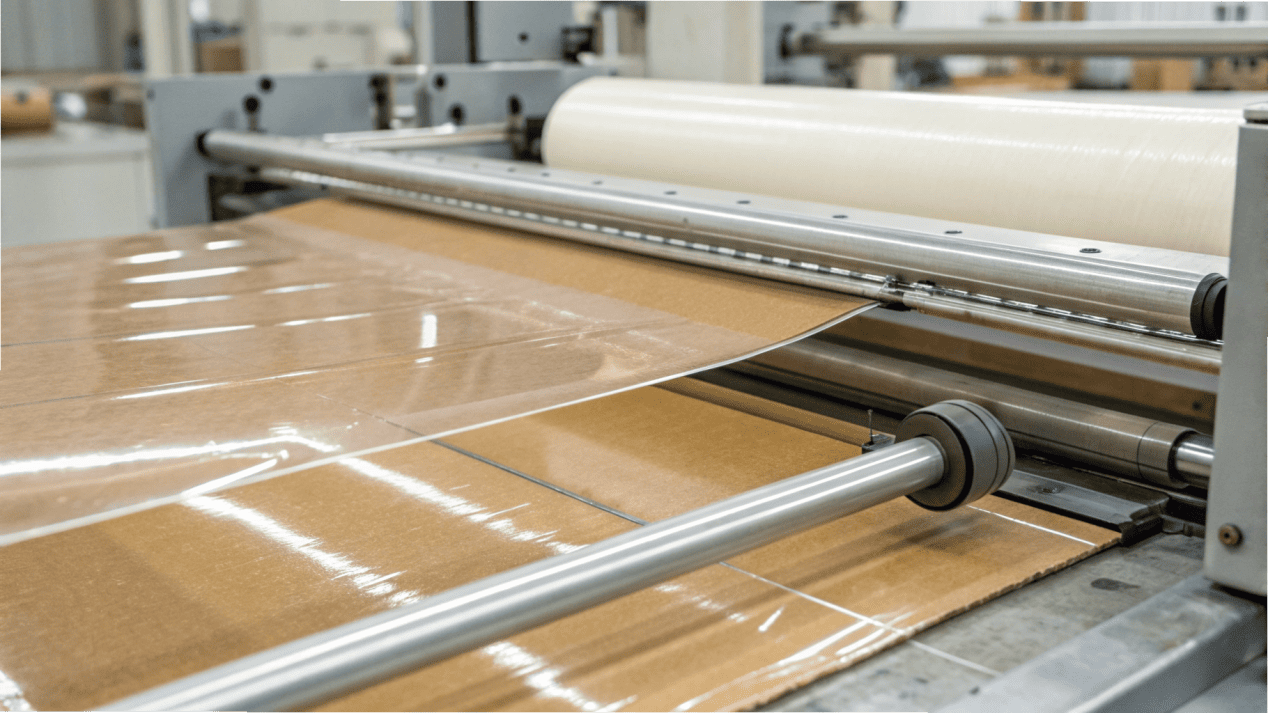
For decades, the paper cup's fatal flaw was its petroleum-based lining. The game-changer is Polylactic Acid (PLA). This bioplastic7 is the technological heart of the sustainability push1.
1. High Performance, Low Impact
From an engineering standpoint, PLA is impressive. It provides the same robust waterproofing and durability as the old PE plastic. It easily handles both hot and cold liquids, ensuring a high-quality user experience without compromise. Your customers won't notice a difference in performance, but the planet will.
2. A Regenerative Model
This is the real breakthrough. Unlike PE, which comes from finite fossil fuels5, PLA is derived from annually renewable resources. This represents a move from an extractive to a regenerative model of sourcing materials. It's a fundamental change in our dependency.
| Feature | PE (Old Standard) | PLA (New Standard) |
|---|---|---|
| Source | Fossil Fuels | Renewable Plants |
| Lifecycle | Linear (Waste) | Circular (Compost) |
| Carbon Footprint | High | Lower |
Mastering PLA manufacturing is both an art and a science, and we've dedicated years to perfecting it.
What Does a Compostable Lining Actually Achieve?
You've switched to a plant-based cup. But if it just ends up in a landfill like plastic, you haven't really solved the core waste problem.
A compostable lining achieves a circular lifecycle8 for the cup. Instead of becoming landfill waste, the entire cup can be broken down in an industrial compost facility9 into nutrient-rich biomass, eliminating microplastic pollution and returning organic matter to the earth.
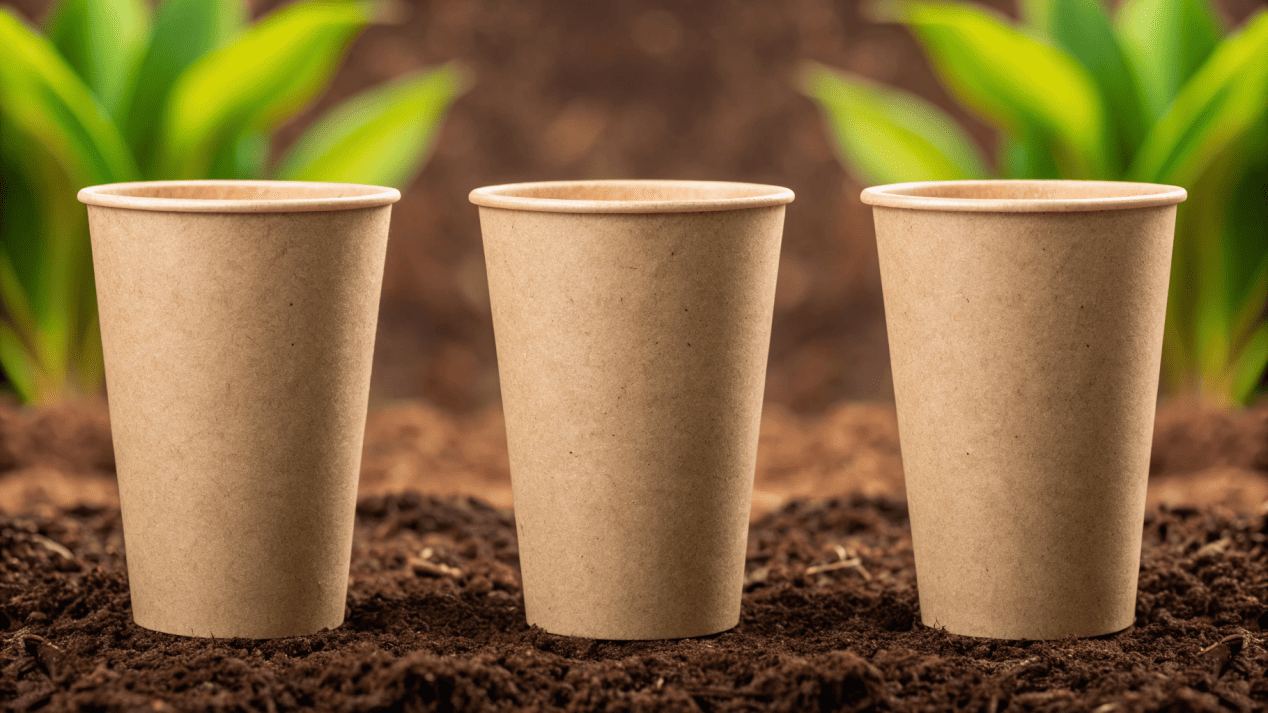
A PLA coating doesn't just change how a cup is made; it fundamentally changes what happens to it after use. This is the crucial leap from a linear "take-make-waste" model to a circular one.
1. From Linear Waste to Circular Value
A compostable cup is designed for disassembly by nature. In a proper industrial composting facility, microorganisms decompose the PLA and paper fibers into compost. The cup completes its lifecycle by becoming a soil amendment, contributing to a healthier planet. It leaves behind no toxic residue or microplastics, unlike its PE-lined predecessor.
2. The Importance of Certification
My team and I know that "compostable" is a scientific claim that requires proof. That's why certifications10 from bodies like BPI or TÜV AUSTRIA (OK compost) are non-negotiable. They validate that our products will break down as promised. This builds trust and ensures they can integrate into the growing global composting infrastructure.
Who is Driving the Demand for Sustainable Cups?
Switching your entire cup supply is a major decision. You might worry if customers truly care, or if this is just a niche trend not worth the investment.
The demand is driven by two powerful forces. First, value-driven consumers11 who actively choose brands that share their environmental ethics. Second, large corporations that need sustainable packaging6 to meet their public ESG (Environmental, Social, and Governance) goals.
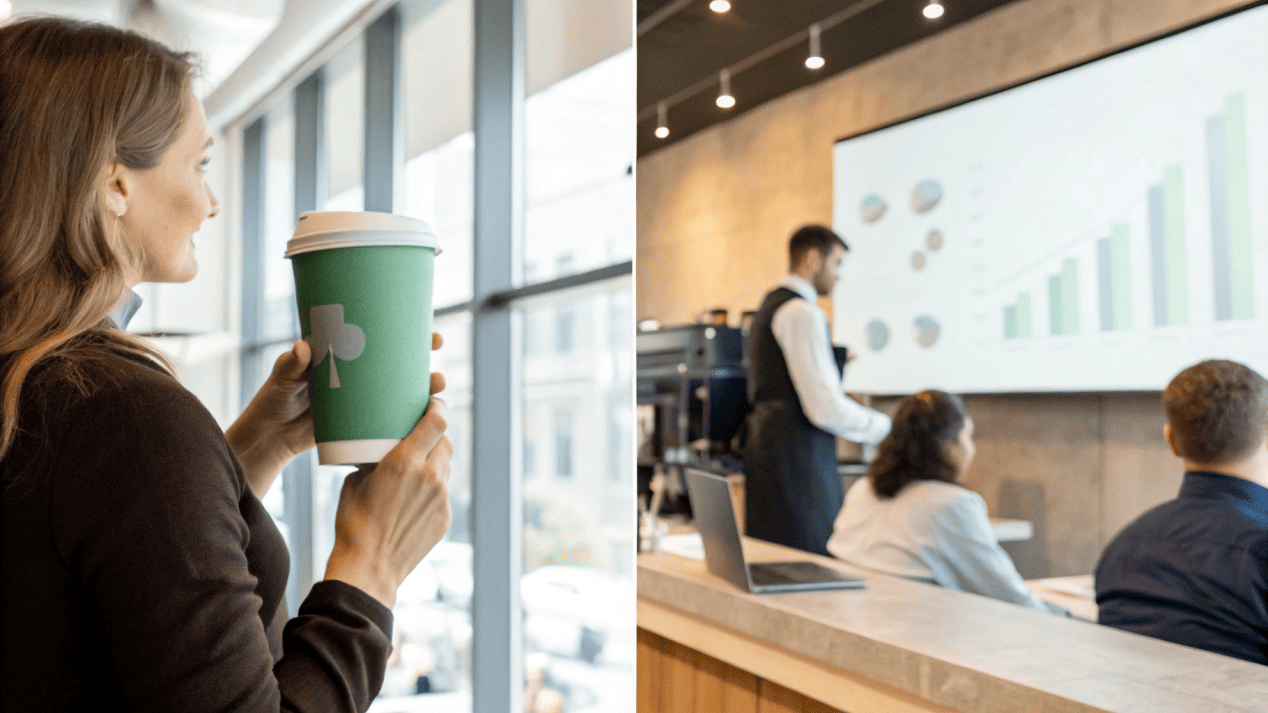
This entire technological shift is being pulled forward by an unstoppable force: market demand.
1. The Empowered Consumer
Today's customers are more informed than ever. They actively seek out brands that align with their values. A compostable cup is no longer just "nice-to-have"; it's a tangible signal that you share their concerns. In my experience, this builds powerful brand loyalty that far outweighs the small extra cost of the cup.
2. The Corporate Mandate
Businesses are also setting their own ambitious ESG goals12. For global brands, sustainable packaging6 is now a non-negotiable part of corporate responsibility, investor relations, and even attracting top talent. We act as the bridge between these corporate goals and the tangible reality, helping turn their packaging from a cost center into a powerful marketing and ESG asset.
How Does This Shift Impact the Entire Supply Chain?
You've decided to switch to plant-based cups. But your old suppliers might not have the technology or materials, creating a major risk for your business operations.
This shift causes seismic changes. Raw material sourcing moves from petroleum refineries to agriculture. Waste management must adapt to include composting infrastructure. And businesses now need expert partners who understand bioplastic7s, not just the cheapest box-movers.
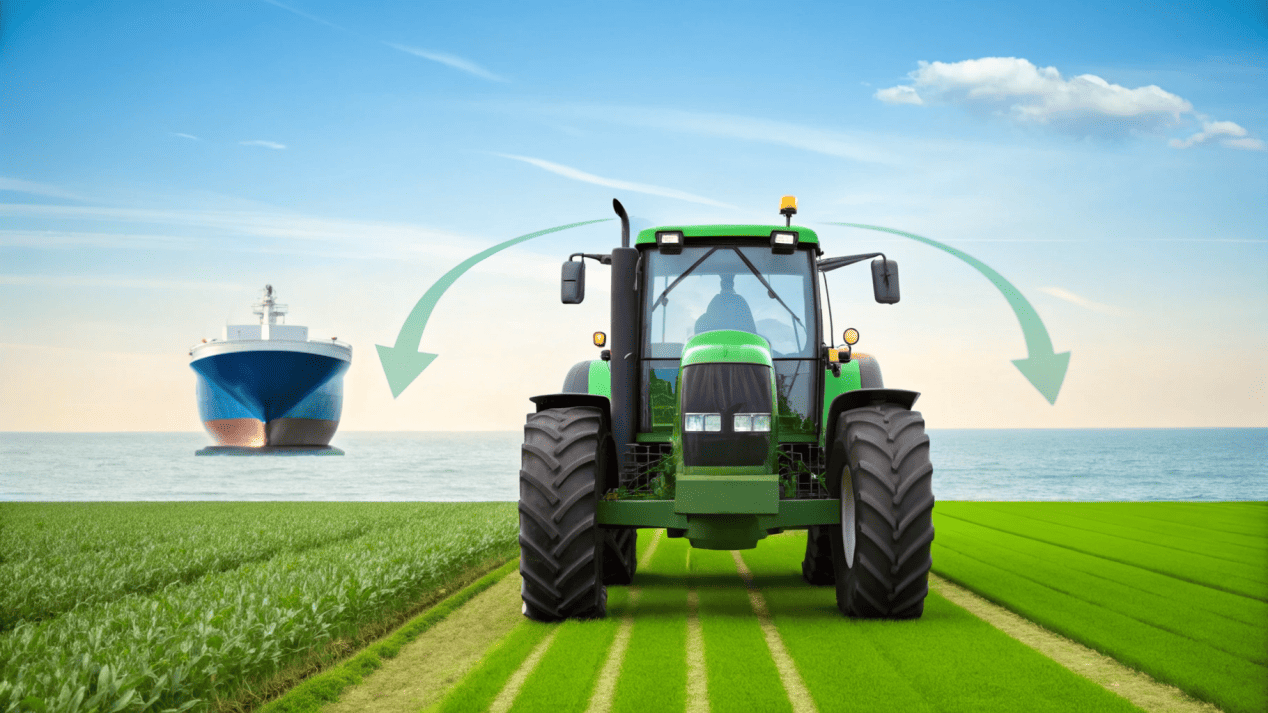
The move to plant-based cups is causing ripples that are felt across the entire global supply chain, creating a new operational landscape.
1. From Oil Fields to Corn Fields
Sourcing for raw materials is fundamentally changing. It's shifting from petroleum refineries to agriculture. This requires new partnerships, different logistical considerations, and a focus on sustainable farming practices.
2. A New Definition of Partnership
Companies can no longer simply buy from the cheapest supplier. They need a partner who deeply understands the complexities of bioplastic7s, has the right manufacturing technology, and can provide certified, compliant products around the world. As a company with a presence in over 80 countries, we are this partner. We offer our clients not just a product, but a secure, reliable, and forward-looking supply chain solution that mitigates risk in this new era.
Conclusion
The push for sustainability is redrawing the packaging industry map. Plant-based, compostable cups are the new global standard—a strategic choice to future-proof your brand.
Explore how the sustainability push is transforming the paper cup industry and influencing consumer choices. ↩
Learn about the negative effects of plastic PE coatings and why alternatives are necessary for sustainability. ↩
Discover the advantages of using plant-based PLA for sustainable packaging solutions. ↩
Understand the importance of compostable products in reducing waste and promoting sustainability. ↩
Gain insights into the environmental consequences of fossil fuel usage and the need for alternatives. ↩
Discover the key characteristics of sustainable packaging and its importance in today's market. ↩
Explore the definition and production process of bioplastics, a key player in sustainable packaging. ↩
Learn about the concept of a circular lifecycle and its significance in reducing waste. ↩
Find out how industrial compost facilities operate and their role in waste management. ↩
Discover the certifications that validate compostable products and ensure their effectiveness. ↩
Understand the motivations of value-driven consumers and their impact on market trends. ↩
Explore the significance of ESG goals for companies and their role in sustainable practices. ↩