
You see paper cups as a simple expense line. But the wrong choice leads to budget overruns, service nightmares, and reputational damage. I'll show you how to buy cups strategically.
A caterer should buy paper cups by first evaluating suppliers for reliability and certifications, planning inventory mix by event type with a 20% buffer, negotiating costs based on total value, not just unit price, and using proper storage techniques like FIFO.

For a caterer, every detail must be perfect. Your reputation is on the line at every single event. Yet I often see the humble paper cup become a source of major problems. Smart procurement is not just about ordering supplies; it's a strategic process that protects your profits and your name. As a manufacturing partner to the events industry for over 20 years, I've seen what works and what fails. Let me share my guide to buying smarter so you can execute every event with confidence.
How Can You Choose a Reliable Supplier?
You chose the cheapest supplier to save money. But their delivery was late, and half the cups were crushed, turning your big event into a stressful mess.
Choose a supplier by verifying their reliability. Look for quality certifications like BRC and ISO. Ensure they have a full product range with matching lids and offer dedicated support for when things go wrong.
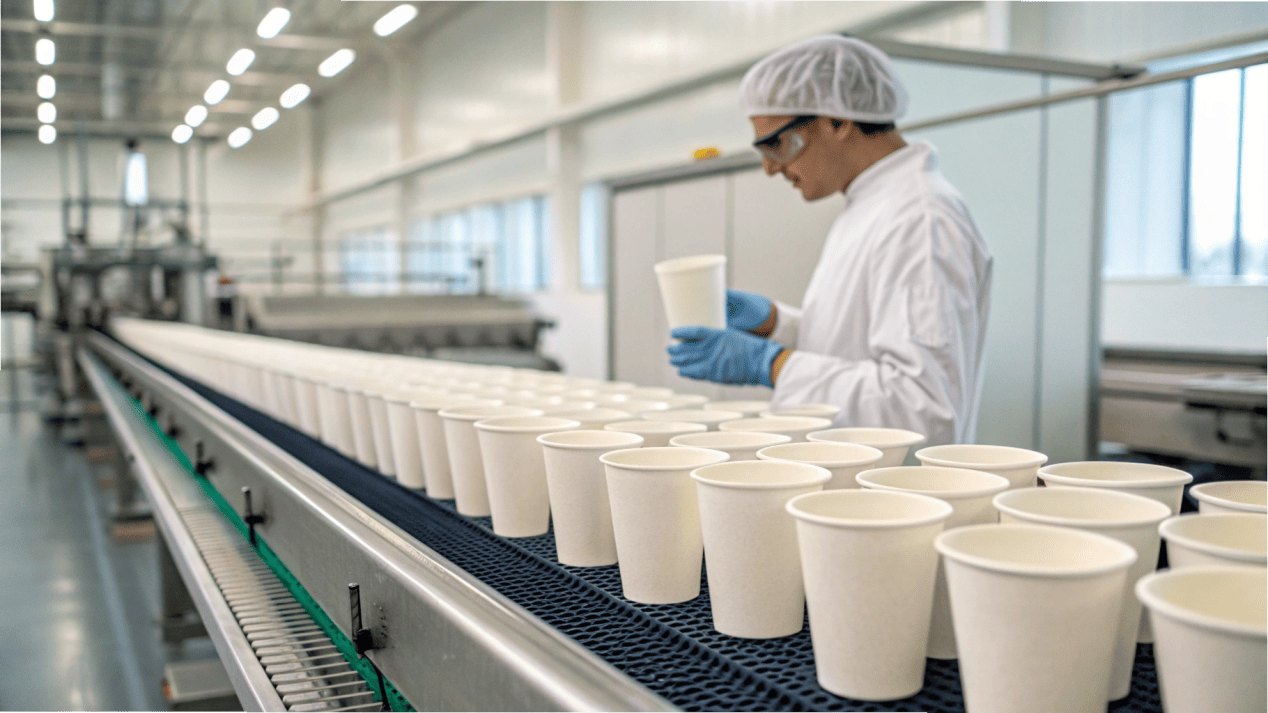
Your supplier is your partner in predictability. A bad partner is a huge risk. As an engineer, I see reliability as a system, not a promise. Certifications like BRC and ISO are not just logos on a website; they are proof that a manufacturer follows strict, repeatable processes to ensure quality. A single leaky cup can ruin a guest's expensive outfit and your client's perception of you. Beyond quality, you need a partner with a full range of products. Sourcing hot cups, cold cups, and lids from different places is a logistical headache. Consolidating with one trusted supplier simplifies your entire operation. I once had a new catering client who came to me in a panic. Their previous supplier sent an entire pallet of cups with lids that didn't fit, just two days before a wedding. We were able to rush them a new, fully compatible order because we're built for this. That's the difference a real partner makes.
How Do You Order the Right Amount of Cups?
You are constantly either running out of cups mid-event or staring at a storage room full of the wrong sizes. Both of these problems are costing you money and creating stress.
Order the right amount by first identifying your core "workhorse" sizes (like 8oz and 12oz). Then, analyze needs by event type and always add a 15-20% buffer to your highest guest estimate.
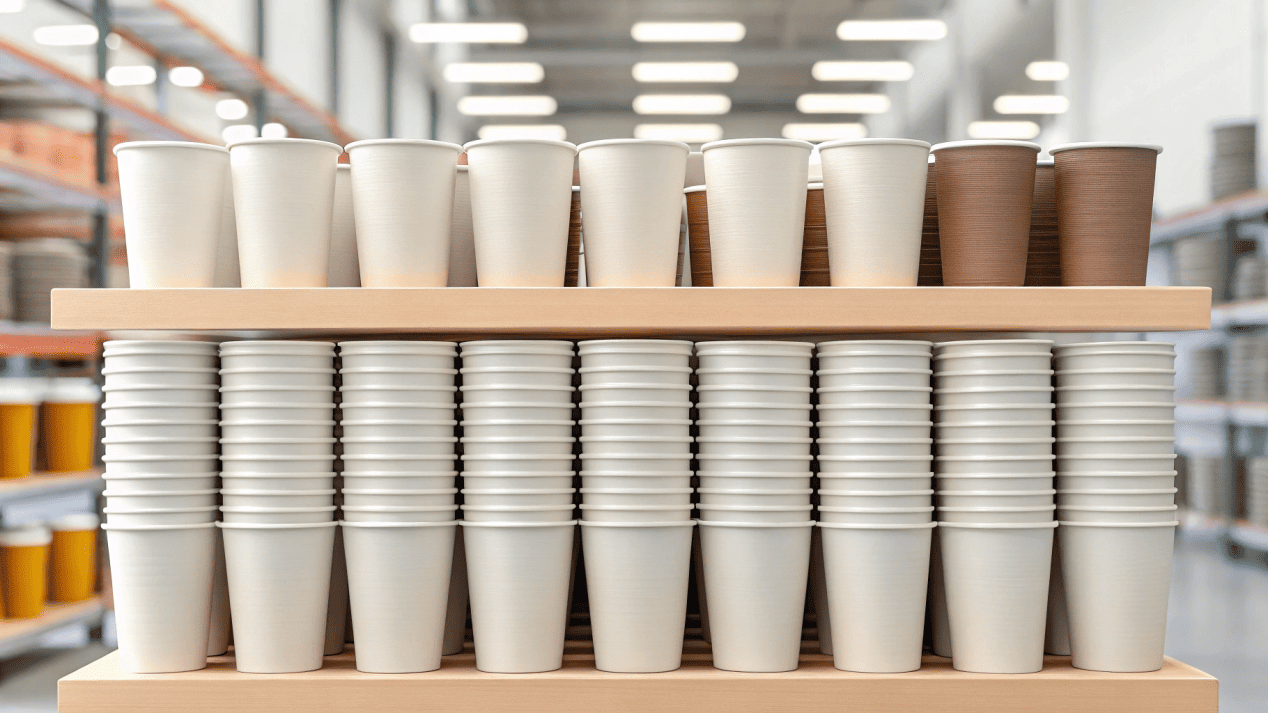
Mastering your inventory mix is crucial. Running out is a nightmare, but over-ordering drains your cash flow. The system I use with my partners is simple. First, identify your workhorses. For most caterers, this is what it looks like:
| Beverage Type | Most Common "Workhorse" Sizes |
|---|---|
| Hot Beverages (Coffee, Tea) | 8 oz & 12 oz |
| Cold Beverages (Soda, Juice) | 12 oz & 16 oz |
Start by making sure you have a deep inventory of these sizes. Then, think about specific event types. A corporate breakfast needs more 8oz hot cups. A summer music festival needs way more 16oz cold cups. Finally, always follow the 20% buffer rule. If your highest guest estimate is 500, order 600 cups. This small extra cost is your insurance policy. It covers drops, staff drinks, guests taking extras, and other small things that always happen. It's the cheapest peace of mind you can buy.
How Can You Negotiate for the Best Value?
You're focused on getting the lowest price per cup. But this narrow focus is making you blind to the hidden costs of poor quality, which are destroying your profit margin.
Negotiate for total value, not just the lowest per-unit price. Emphasize the high cost of failure (leaks, bad lids) and seek to consolidate all your paper goods with one supplier for better volume pricing.

The cheapest cup is almost never the most cost-effective. A smart business owner looks at the Total Cost of Ownership. A cup that costs a fraction of a cent less is worthless if it leaks or the lids don't snap on quickly during a busy service. I've seen caterers lose hundreds of dollars on a single event from wasted drinks and slow service caused by bad cups. When you talk to a supplier, frame the negotiation around value. Ask them about their quality control. Ask for guarantees. The real savings aren't in the per-unit price; they're in eliminating waste and problems. The best way to get a better price is to offer more volume. I'm always able to give a much better deal to a partner who buys all their paper products—hot cups, cold cups, food bowls, carry bags—from us. It makes my production more efficient, and I can pass those savings on to them.
How Should You Store Your Cups to Prevent Waste?
Your cups arrived in perfect condition. But by the time you needed them for an event, they were damp and dusty from sitting in the corner of a storeroom.
Store your cups properly by keeping them in a clean, dry area, inside their original protective packaging. Never store boxes directly on the floor and always use the First-In, First-Out (FIFO) method.
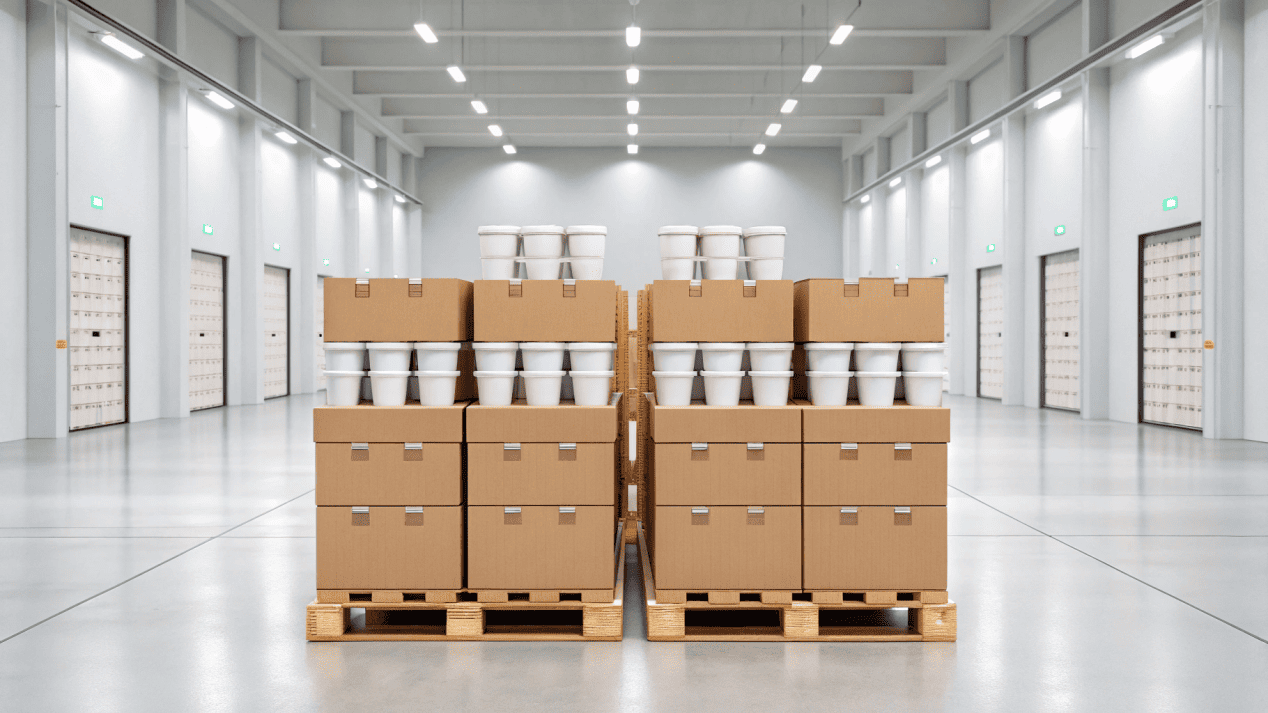
Improper storage can ruin your entire inventory. This is an investment, and you need to protect it. It’s simple, but I see these mistakes all the time. First, humidity is the enemy. It weakens the paper and the seams, which can cause leaks later. Always store the boxes in a dry area. Second, keep the cups inside their plastic sleeves and cardboard boxes for as long as possible. This is their best defense against dust and contamination. Third, always get the boxes off the floor. Concrete floors can be damp and will seep moisture into the bottom boxes. Use pallets or shelves. Lastly, use the "First-In, First-Out" (FIFO) method. When you get a new delivery, rotate your stock so you always use the oldest inventory first. This ensures your cups are always in prime condition. We design our cartons to be sturdy and easy to stack for exactly these reasons.
Conclusion
For a caterer, smart procurement is a competitive advantage. Mastering this process reduces waste, improves service, builds your reputation, and directly protects your profit on every single event.