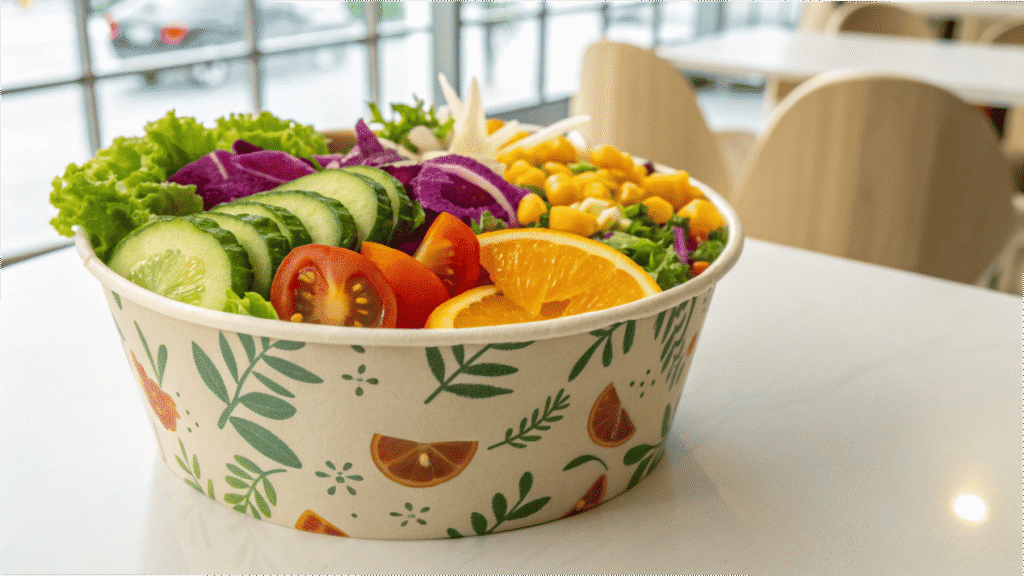
Choosing a disposable bowl1 seems simple, but the wrong material can leak, ruin your food's appeal, or send the wrong message about your brand's values.
The best material depends on your needs. Paper is versatile and brandable, PLA2 is compostable3 and eco-friendly, plastic is durable and functional for hot foods, and bamboo offers a natural, sustainable aesthetic.
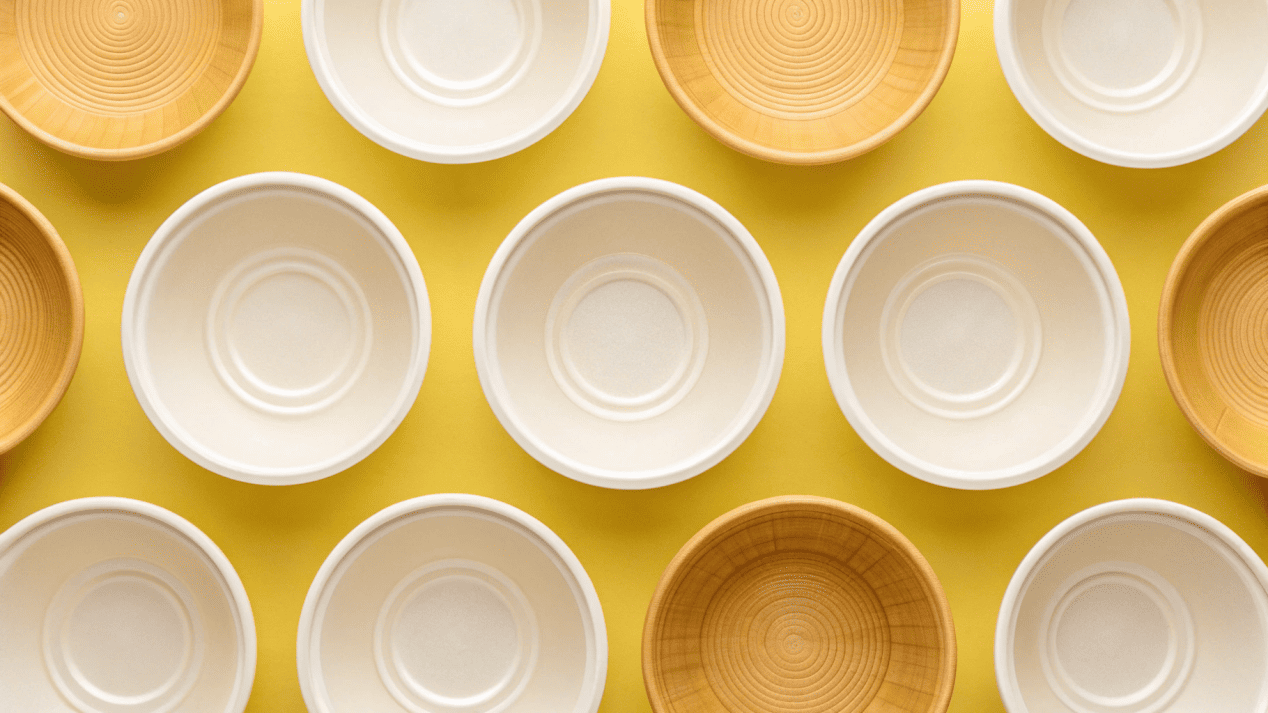
The bowl in your customer's hand does more than just hold food. It sends a message. It speaks about your commitment to quality and your vision for sustainability4. But with so many options, how do you choose the one that tells your brand's story correctly? As a packaging partner for businesses around the world, I've mastered the science behind every material. Let's break down the four most common choices to help you find the perfect match.
Is a Paper Bowl the Right Choice for Your Business?
You need a bowl that works for almost everything and shows off your brand. But you worry about it getting soggy with soups or dressings.
Paper bowls are a versatile classic, perfect for hot or cold foods. They are highly brandable but require a PE or PLA2 coating to be waterproof, a standard I have perfected.
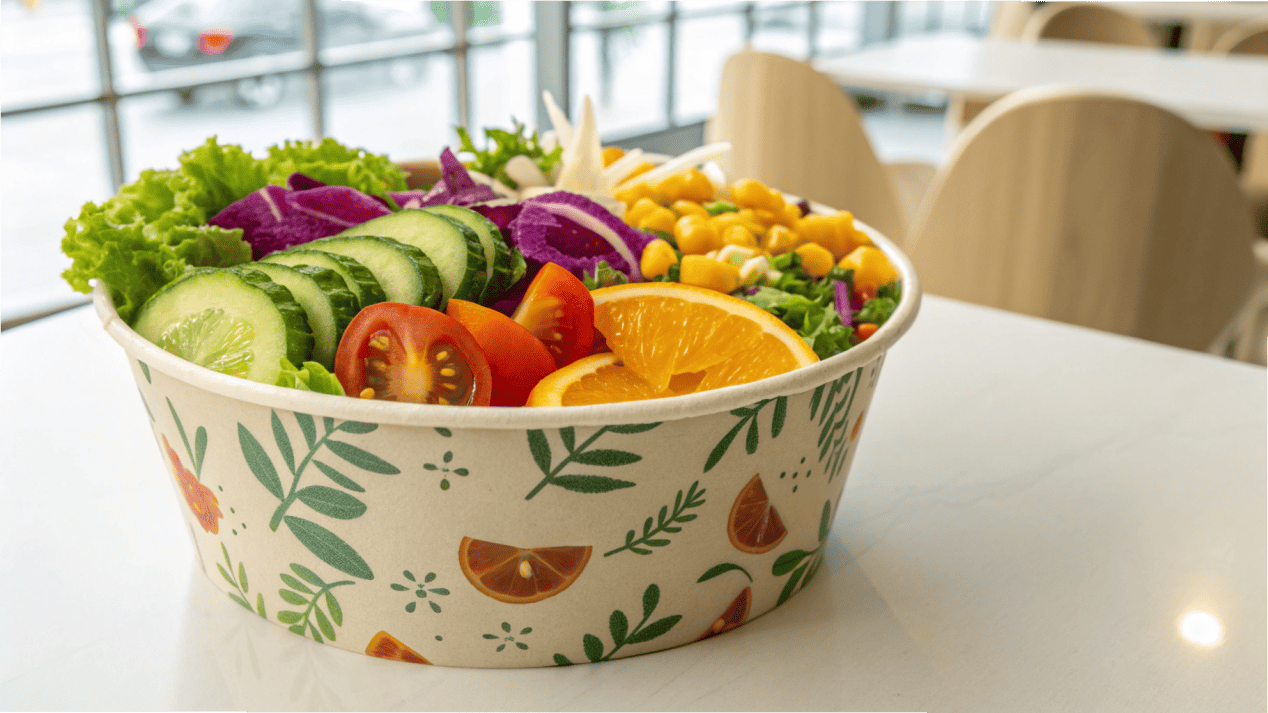
Paper is a material I have worked with my entire career. It is the canvas for your brand's story, and its flexibility is unmatched.
The Perfect Canvas for Your Brand
The biggest advantage of paper is how well it takes custom printing. The smooth surface is perfect for the vibrant, water-based, food-safe inks5 we use in my factory. This means your logo and design will look sharp and professional. The paperboard itself comes from trees, which are a renewable resource. I always insist on using paper from FSC-certified forests6. This means the forests are managed responsibly, which is very important to me. Of course, paper on its own is not waterproof. It must have an inner lining. We offer two main types: a durable PE lining and a compostable3 PLA2 lining. This allows you to balance performance with your environmental goals.
| Feature | Description |
|---|---|
| Best For | Almost everything: soups, salads, ice cream, pasta |
| Branding | Excellent, supports full-color, high-quality printing |
| Sustainability | Made from a renewable resource (wood fiber) |
| Performance | Lightweight yet sturdy, requires a coating |
Should You Switch to PLA2 for an Eco-Friendly Image?
You want to show customers you are serious about sustainability4. But you're not sure if this plant-based plastic can handle your food or how to dispose of it.
PLA2 is a bioplastic7 made from plants like corn. It is commercially compostable3, making it a powerful statement for eco-conscious brands, but it works best for cold or warm—not hot—foods.
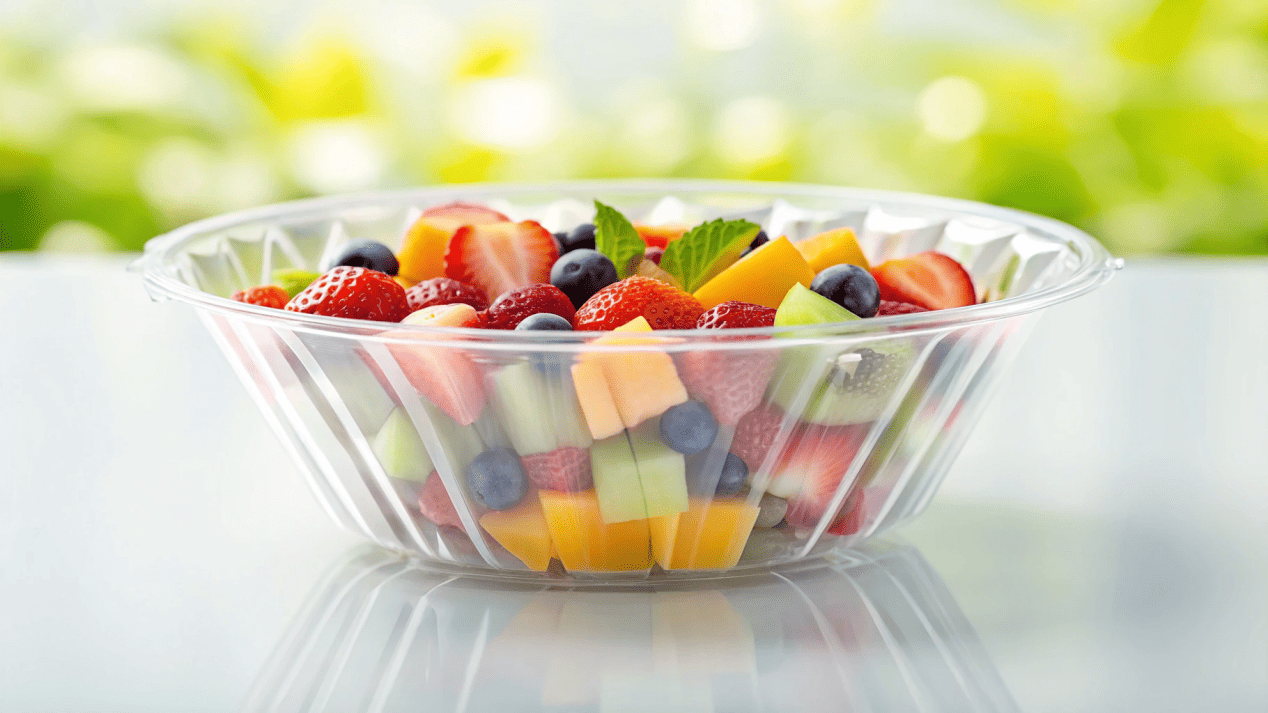
PLA2, or Polylactic Acid, is an amazing innovation. It looks and feels like traditional plastic, but it is made from renewable plant starches. When I talk to clients about PLA2, I see it as telling a very strong environmental story.
Understanding Plant-Based Packaging
The main benefit of PLA2 is that it is commercially compostable3. This is a very important detail. It means the bowl can break down into organic matter, but it must be sent to an industrial composting8 facility. It will not break down in a landfill or a backyard compost pile. So I always ask my clients, "Are these facilities available in your city?" We must be practical. PLA2 has a lower heat tolerance than other materials, so it is perfect for salads, frozen yogurt, or deli items. For hot foods, a special version called CPLA2 is needed. At my company, we champion PLA2 technology. Our PLA2-lined paper bowls9 offer the best of both worlds: the great branding10 of paper and the compostable3 benefits of PLA2.
When is a Plastic Bowl Still the Best Option?
You serve very hot soup that needs to be microwaved. You know many customers dislike plastic, but you need the performance that paper or PLA2 cannot offer.
Plastic remains a powerhouse for performance. PP (Polypropylene)11 is excellent for hot, microwavable meals, while PET provides crystal clear transparency for cold foods. Both are widely recyclable.
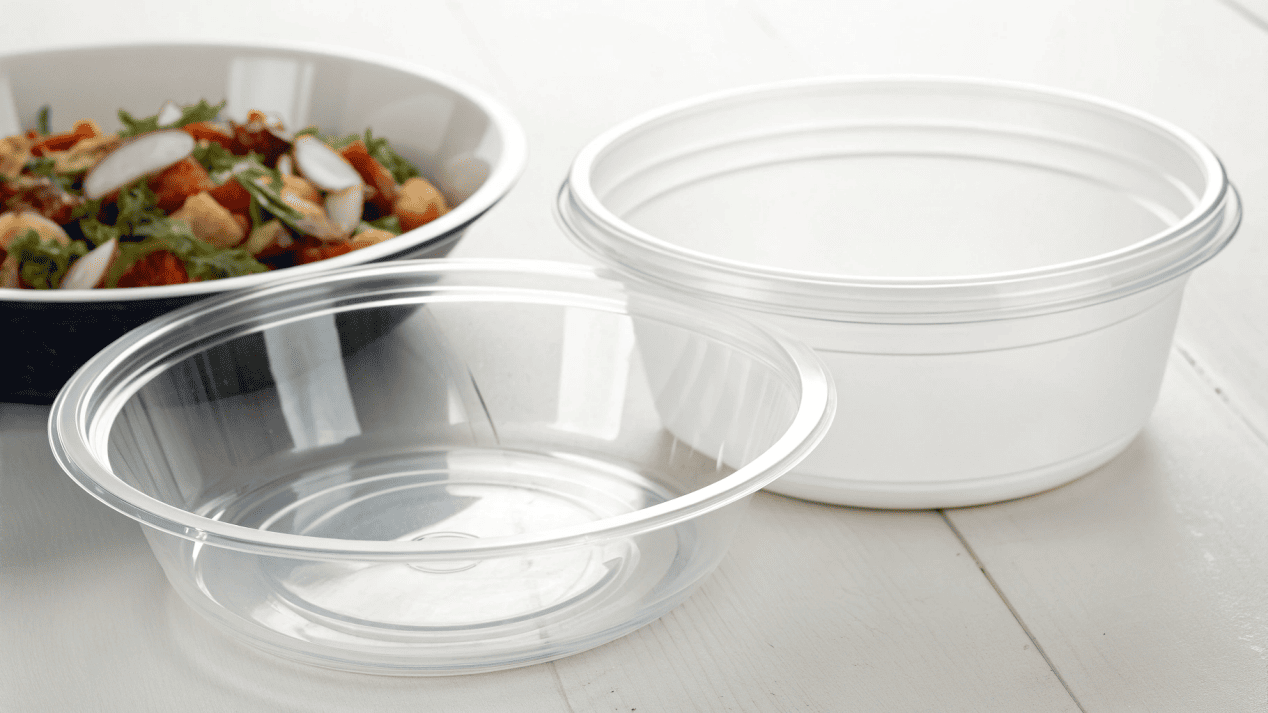
My core mission is focused on renewable, fiber-based materials like paper. However, as an engineer, I must be honest with my clients. For certain jobs, plastic is still the best tool.
The Performance Powerhouse
There are two main types we see in food service.
- PP (Polypropylene)11: This is your champion for hot foods. It is very durable and is often microwave-safe. This makes it perfect for takeout soups or meals that customers need to reheat at home.
- PET (Polyethylene terephthalate)12: This plastic is valued for its glass-like clarity. If you want to show off a beautiful, fresh salad or a colorful fruit cup, PET is the perfect choice. Visual appeal is key.
While these materials come from non-renewable fossil fuels, they are also highly durable and widely recycled around the world. My job as a consultant is to provide the best solution for the specific food you are serving. I ensure my clients always make an informed decision based on function and the recycling realities in their market.
Does a Bamboo Bowl Fit Your Natural Brand Image?
Your brand is all about health, wellness, and natural ingredients. You want packaging that looks and feels just as organic as your food.
Yes, bamboo bowls13 are perfect for this. Made from a rapidly renewable grass, they have a rustic, earthy look that appeals to modern, health-focused consumers. They are best for salads and grain bowls.
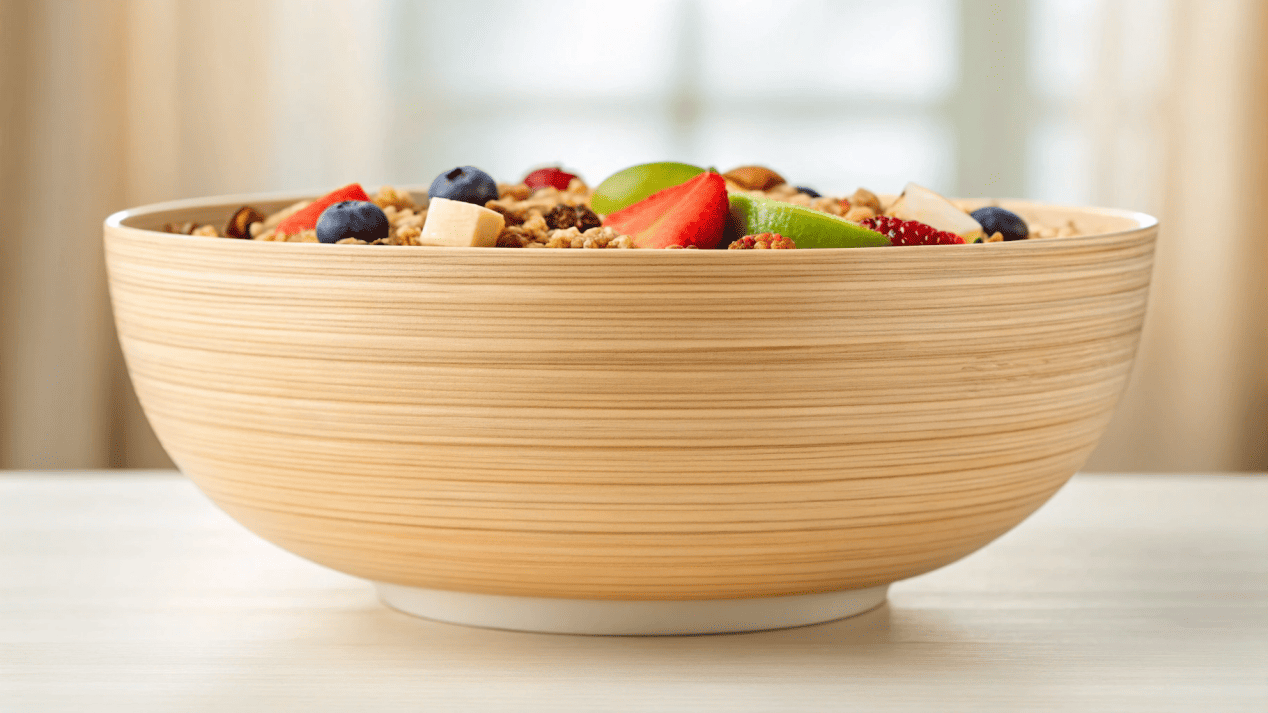
I am very excited about bamboo as part of the future of sustainable packaging. It is not a tree; it is a type of grass that grows incredibly fast. This makes it a highly sustainable resource.
The Sustainable Trendsetter
The main appeal of bamboo bowls13 is their natural, artisanal look and feel. It instantly communicates a message of health and wellness. I recently worked with a health food cafe in California. We chose bamboo bowls13 for them, and their customers loved the natural feel. It matched their brand perfectly. However, there are some practical things to consider. The texture can be more porous than paper, so it is less ideal for very wet or oily foods unless it has a proper lining. Also, it is not the best surface for complex, full-color printing. But for brands in the health and artisanal food spaces, the natural aesthetic of bamboo is a very powerful tool. It helps them connect with customers on a deeper level.
Conclusion
Choosing a bowl is a strategic decision. You must balance performance, budget, and brand identity. You do not have to make this choice alone. Let my team and I help you find the perfect solution.
Explore this link to understand the various materials available for disposable bowls and their unique benefits. ↩
Discover the benefits of PLA as a sustainable packaging option and its impact on the environment. ↩
Find out what compostable packaging entails and how it can benefit your business's sustainability efforts. ↩
Learn about effective strategies for enhancing sustainability in your business operations. ↩
Discover the significance of using food-safe inks in packaging and their impact on food safety. ↩
Understand the importance of sourcing materials from responsibly managed forests for sustainability. ↩
Explore the concept of bioplastics and their role in sustainable packaging solutions. ↩
Learn about the process of industrial composting and its benefits for compostable materials. ↩
Learn why paper bowls are a versatile choice for food service and how they can enhance your brand. ↩
Discover the significance of branding in food packaging and how it influences customer perception. ↩
Find out how PP is utilized in food packaging and its benefits for hot food service. ↩
Learn about the clarity and recyclability of PET and its applications in food service. ↩
Explore the natural aesthetic and sustainability of bamboo bowls and how they can align with your brand. ↩