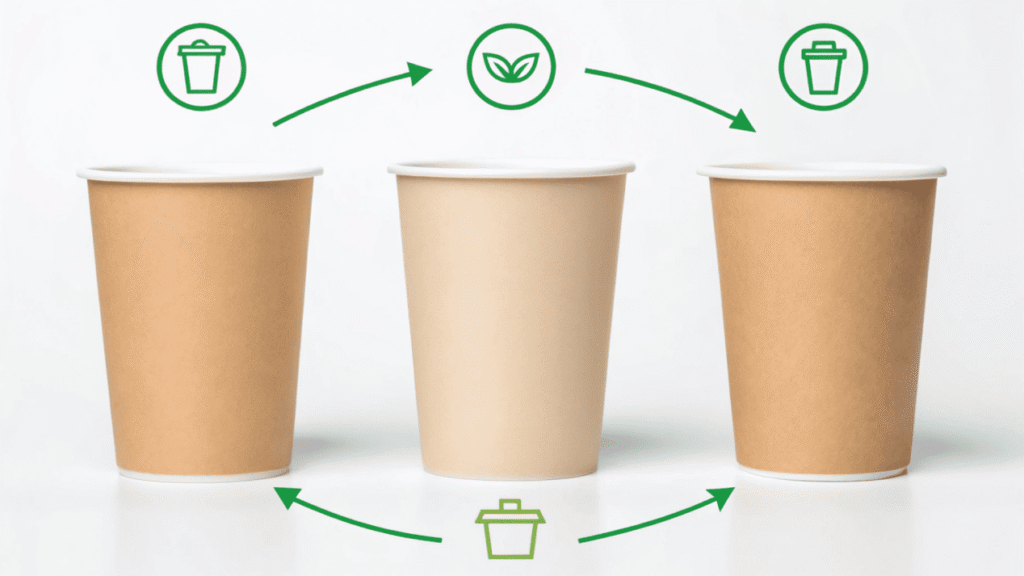
You serve coffee in paper cups, which feels better than plastic. But you worry about the hidden environmental cost and the journey the cup took to get to you.
A paper cup's carbon footprint1 is the sum of four parts: raw material sourcing2, manufacturing energy3, transportation emissions4, and its end-of-life5. A responsible supplier who controls each step can dramatically lower this footprint.
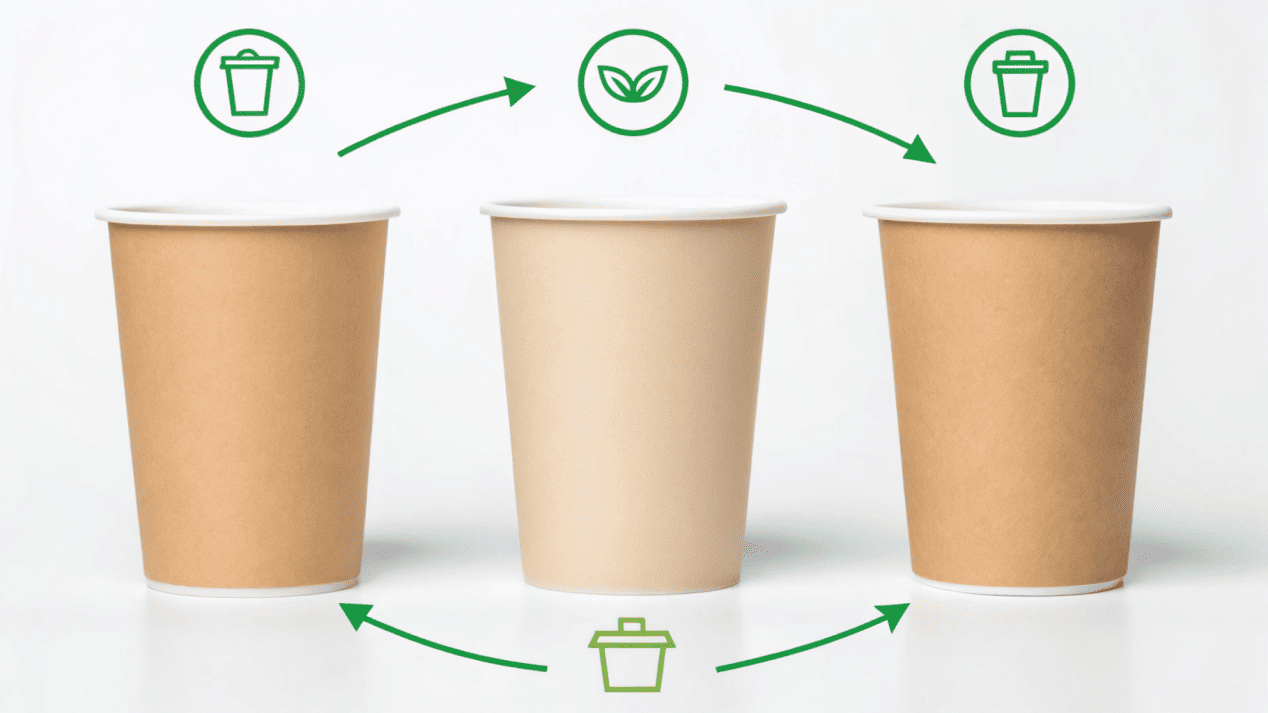
I'm an engineer by training, so I don't just see a cup. I see a system, a journey that starts in a forest and ends in a customer's hand. Every step in that journey uses energy and creates emissions, which add up to the cup's total carbon footprint1. For over 20 years, my focus has been on improving every single step of this process. It isn't about blaming; it's about making smarter choices. Let's trace that journey together.
How Does the Forest Impact a Cup's Carbon Footprint?
You see "paper" and think it's a natural choice. But what if that paper comes from clear-cut forests, contributing to deforestation and releasing massive amounts of carbon?
The source of the paper is the biggest factor. Paper from irresponsibly managed forest6s has a huge carbon footprint1. Paper from FSC-certified7, sustainable forests has the lowest possible starting footprint.
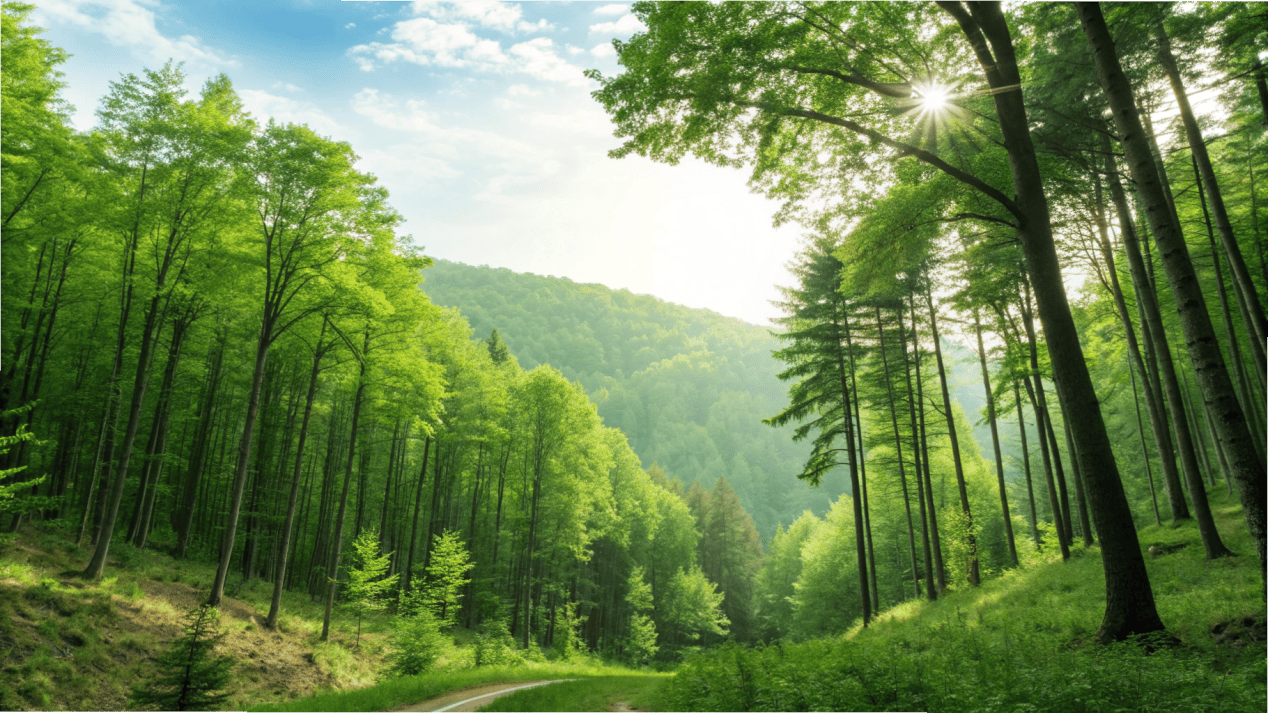
A cup's carbon story begins before it even exists; it begins with the tree. Trees are nature's carbon storage tanks. When forests are managed irresponsibly, that stored carbon is released. For me, this is a non-negotiable starting point. I made a decision for my business years ago that we would only ever use 100% virgin wood pulp from forests certified by the FSC (Forest Stewardship Council). This certification is your guarantee that the trees were harvested sustainably, that biodiversity8 is protected, and that the forest is allowed to regrow and continue its work of absorbing CO₂. It's the only way to ensure we start our products with the lowest possible raw material footprint. Choosing anything else is simply irresponsible.
| Sourcing Method | Forest Impact | Carbon Footprint |
|---|---|---|
| Irresponsible Logging | Deforestation, loss of biodiversity8 | High (Releases stored carbon) |
| FSC-Certified | Sustainable harvesting, regeneration | Low (Maintains forest as a carbon sink) |
How Much Energy Does It Take to Make a Paper Cup?
You look at a simple paper cup and can't imagine it takes much energy to make. But an old, inefficient factory can use huge amounts of fossil-fuel energy for every single cup.
Manufacturing is energy-intensive. It requires electricity and heat to print and form cups. A modern, energy-efficient factory9 with smart processes can cut that energy use dramatically, lowering the carbon footprint1.
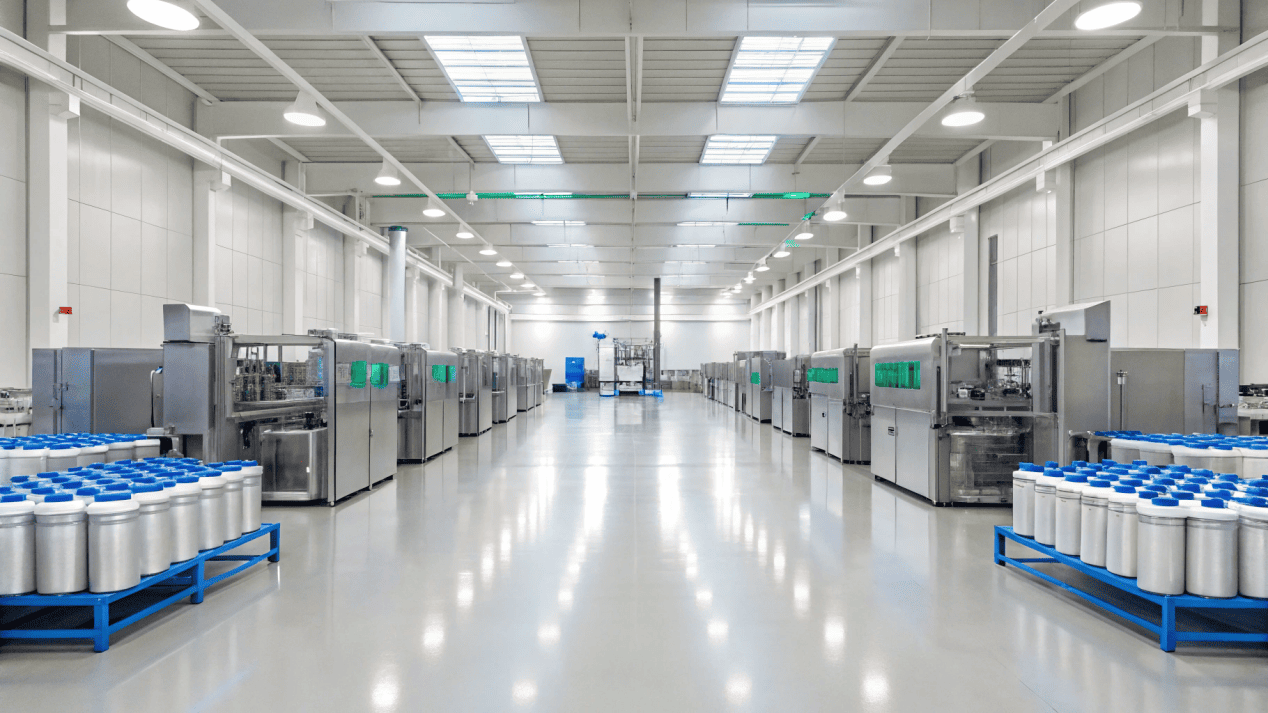
As an engineer, I am obsessed with efficiency. A factory is a giant machine, and that machine can either be wasteful or incredibly efficient. Turning paperboard into a finished cup involves printing, cutting, and using heat to seal the seams. All of these steps use electricity. In my 21 years of refining our process, we have invested heavily in modern, energy-efficient machinery that makes more cups with less power. We also follow lean manufacturing principles10, which is a fancy way of saying we are fanatics about reducing waste. Less wasted paper, less wasted water, and less wasted energy all lead to a lower carbon footprint1. We even switched to soy and water-based inks, which are not only safer but require less energy to produce and apply than old, chemical-based inks.
| Factory Type | Energy Use | Material Waste | Carbon Footprint |
|---|---|---|---|
| Old, Inefficient | High (Fossil Fuels) | High | High |
| Modern, Lean | Low (Energy-Efficient Machines) | Low | Low |
Does Shipping Cups Around the World Create a Lot of Emissions?
Your cups might come from halfway across the world. You picture a long journey by a polluting ship and a fleet of trucks, burning fuel every mile of the way.
Yes, logistics create direct CO₂ emissions. But an expert global supplier minimizes this through smart planning, like packing containers tightly and choosing the most efficient routes.
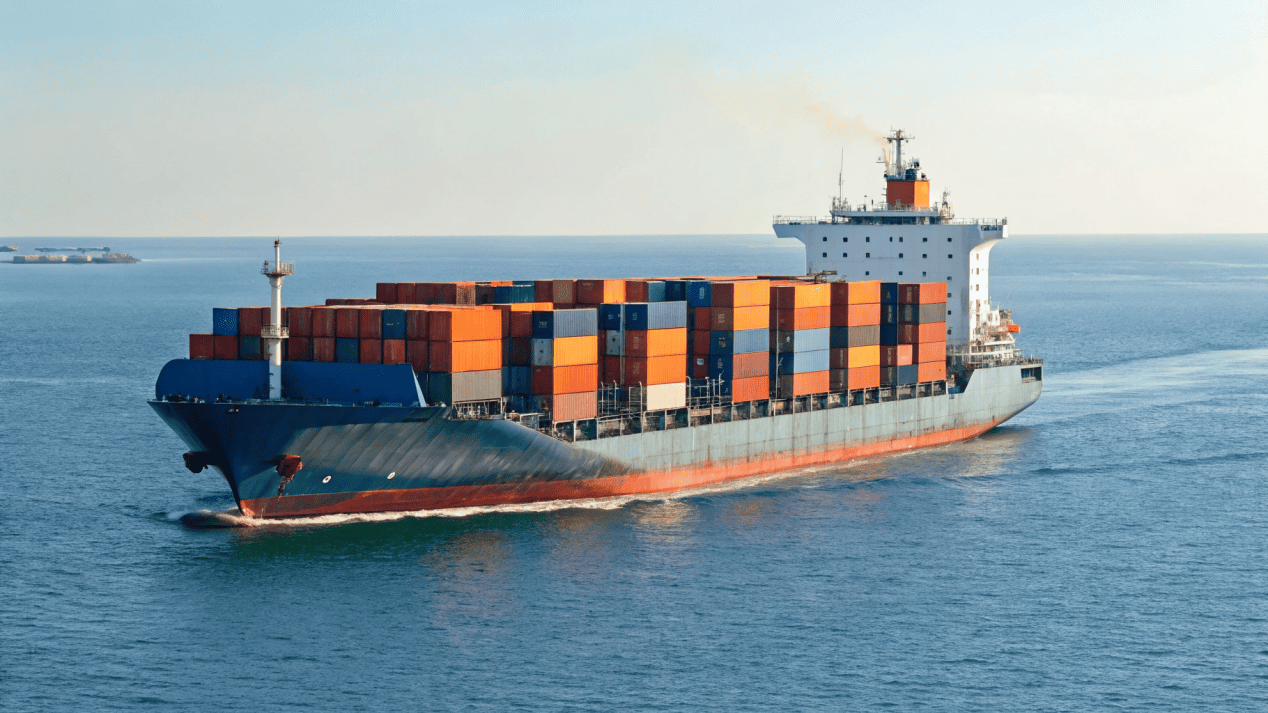
This is a real concern, and one we take very seriously. We ship our cups to over 80 countries. If we weren't experts at logistics, we'd be wasting a lot of our clients' money and creating a lot of pollution. We fight transport emissions with intelligence. Think of it like a game of Tetris. We design our packaging to get the maximum number of cups onto a single pallet, and the maximum number of pallets into a single shipping container. This ensures we are never "shipping air." When a container leaves our factory, it is packed to 100% capacity. We also have strategic partnerships that allow us to plan the most fuel-efficient routes by ship and truck to get our products to your door. It's not just about getting it there; it's about getting it there smartly.
Does Recycling a Paper Cup Actually Reduce Its Carbon Footprint?
A customer throws their used cup in the trash. You feel a pang of guilt, knowing it's headed for a landfill where it will rot and release harmful gases.
Yes, recycling11 massively reduces the footprint. In a landfill, a cup releases potent methane gas12. When recycled, it avoids those emissions and provides material that takes up to 70% less energy to make into new products.
The cup's journey doesn't end when the coffee is gone. What happens next is a critical part of its carbon footprint1. The worst-case scenario is the landfill. There, the cup rots without oxygen and releases methane gas12. Methane is a greenhouse gas that is much more powerful than CO₂. It's terrible for the environment. The best-case scenario is recycling11 or composting. When a cup is properly recycled, you not only avoid all those landfill emissions, but you create a powerful benefit. Using that recycled paper fiber to make new products requires far less energy—up to 70% less—than using brand new trees. This creates a "virtuous cycle13" where your responsible choice today actually lowers the carbon footprint1 of another product tomorrow. It's the most powerful way to close the loop.
Conclusion
A paper cup's carbon footprint1 is not a fixed number. It is the sum of choices made by your supplier. Partnering with a manufacturer who controls every step is the best choice for your brand.
Understanding the carbon footprint helps you make informed choices about sustainable products. ↩
Explore how sourcing materials responsibly can significantly reduce environmental impact. ↩
Learn about energy-efficient manufacturing processes that lower carbon emissions. ↩
Discover the role of logistics in reducing overall emissions during product transport. ↩
Understanding end-of-life options can help you choose more sustainable products. ↩
Find out how responsible forest management contributes to environmental health. ↩
Find out how FSC certification ensures sustainable forestry practices. ↩
Learn about the critical role biodiversity plays in ecosystem stability. ↩
Explore how modern factories can reduce energy use and emissions. ↩
Discover how lean principles can minimize waste and improve efficiency. ↩
Understand the environmental benefits of recycling and its impact on carbon footprints. ↩
Learn about the dangers of methane emissions and their impact on climate change. ↩
Explore how recycling creates a positive feedback loop for sustainability. ↩