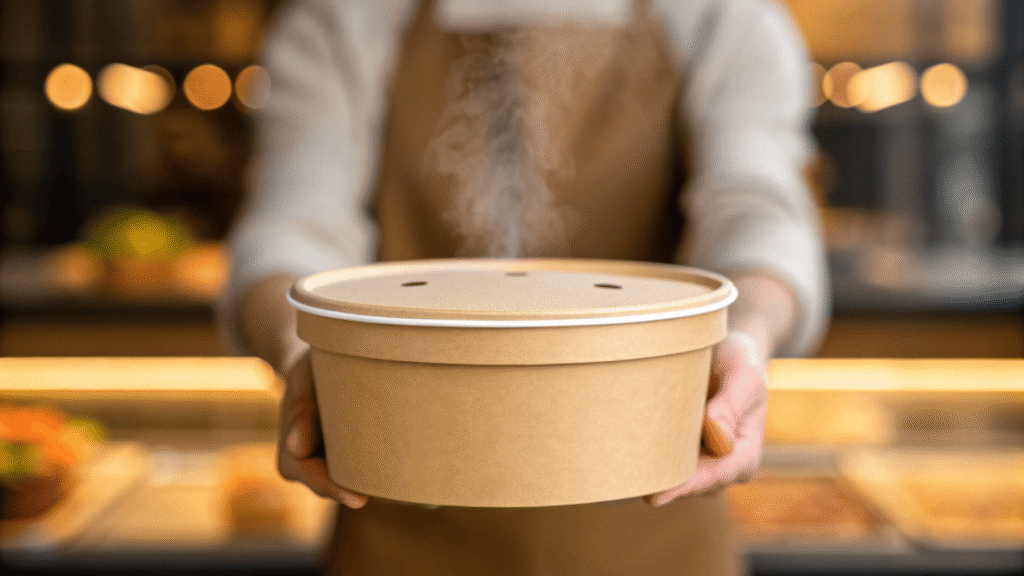
Serving hot soup is risky. A flimsy bowl can cause burns, spills, and damage your brand's reputation. The solution is an expertly engineered container designed for safety.
A safe hot soup bowl uses thick, high-grammage paperboard1 for heat resistance, a food-grade inner lining2 to prevent leaching, a precision-fit vented lid3 to stop spills, and is made in a facility with global food safety certifications4.
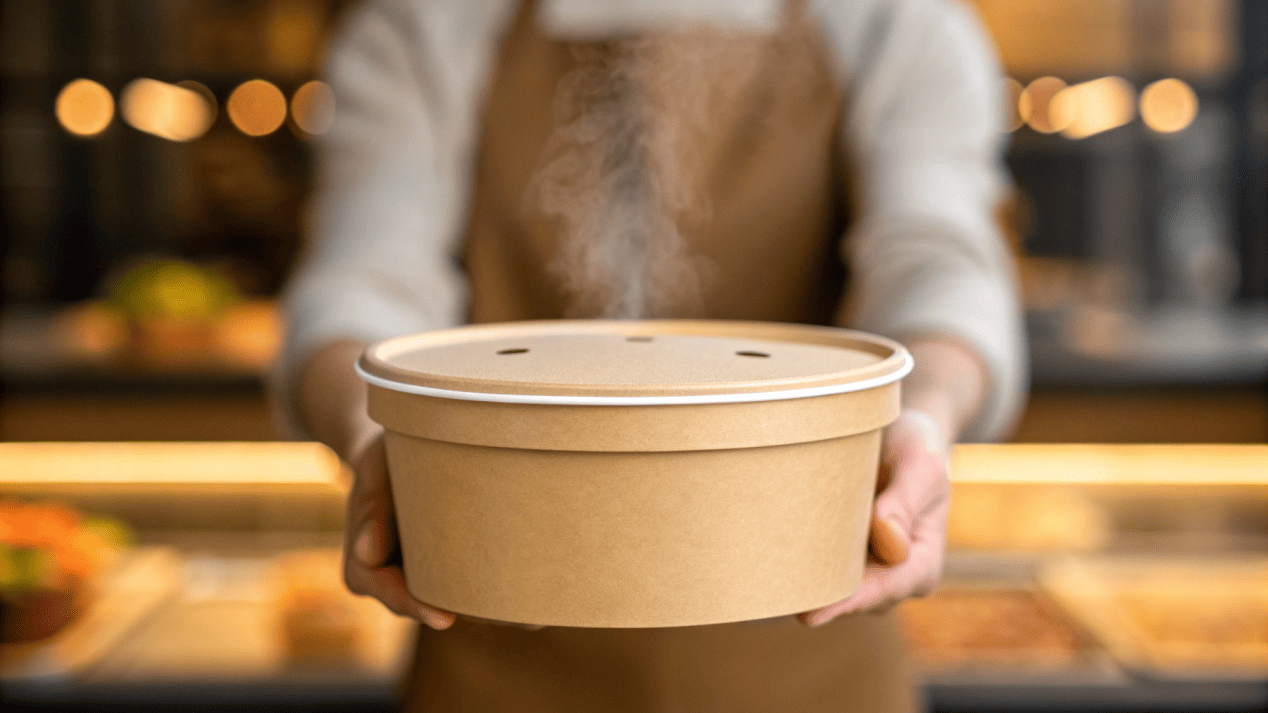
From my experience, a disposable soup bowl is one of the most demanding items in food packaging. A failure isn't just a mess; it's a safety hazard5 and a direct threat to your brand. It's an engineering challenge that rests on four non-negotiable pillars. Let's break down exactly what makes a bowl you can trust.
How Does a Paper Bowl Resist High Heat?
Hot soup can make a bowl soggy and too hot to hold. This weakness can lead to collapses and burns, creating a disaster for your customer and your business.
It resists heat by using premium, high-density paperboard with a heavy grammage. This thickness provides the structural integrity6 and insulation needed to hold hot liquids safely, preventing sogginess and burns.
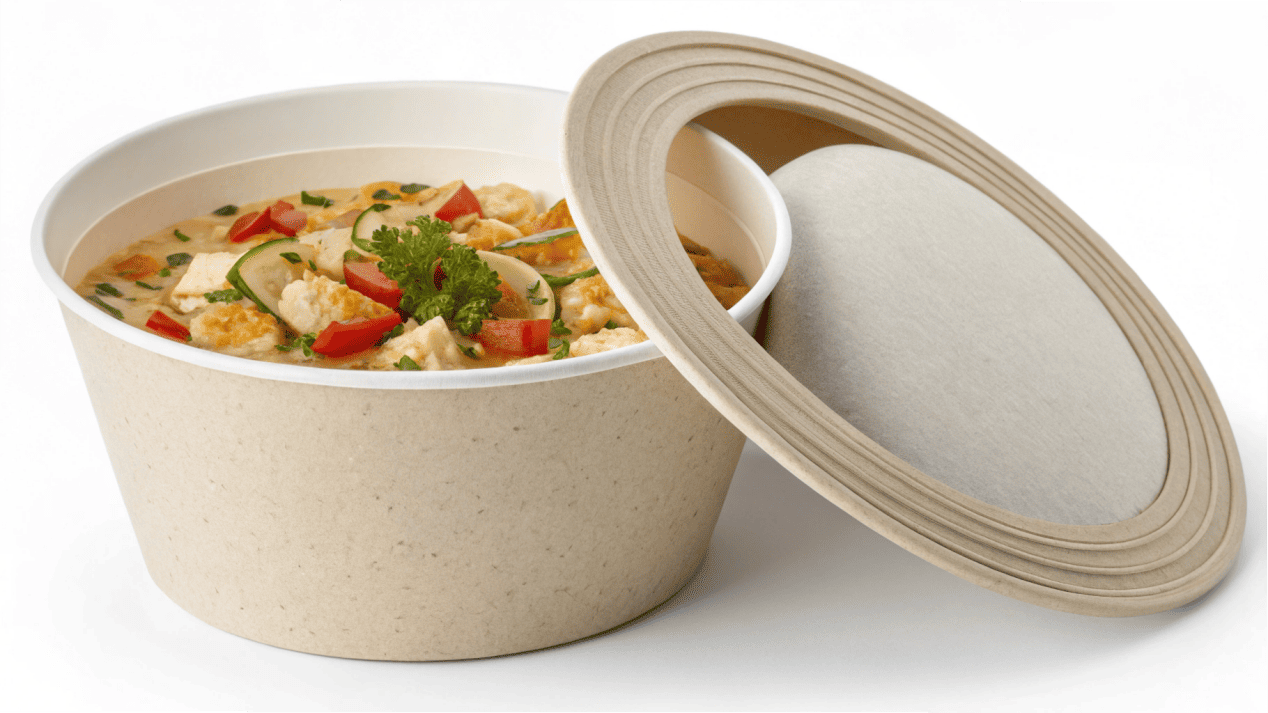
The moment hot soup touches paper, a battle against physics begins. The container must maintain its structure without getting soggy, and it must provide enough insulation for a customer to hold it comfortably.
The Engineering Solution: Grammage and Density
As an engineer, the solution starts with the paperboard itself. We use a premium, high-density, multi-ply paperboard7 with a heavy grammage (measured in grams per square meter, or GSM). This thickness is the foundation of both rigidity and insulation, allowing the bowl to handle near-boiling liquids for extended periods.
Performance Under Pressure
We don't guess. We rigorously test our materials against various temperatures and hold times to ensure they perform. This expertise allows us to select the precise paperboard quality required to keep your soup hot and your customers safe.
| Feature | Low-Quality Bowl | HAOKELAO Engineered Bowl |
|---|---|---|
| Paperboard | Low grammage, single ply | Heavy grammage, multi-ply |
| Feel | Flimsy, gets hot fast | Sturdy, good insulation |
| Risk | High risk of collapse, burns | Low risk, safe to handle |
What Materials Make a Soup Bowl Food-Safe?
The wrong materials can leach a papery taste or harmful chemicals into hot soup. This ruins the meal your chef worked so hard on and completely erodes customer trust8.
A soup bowl is made food-safe by using a completely inert, food-grade inner lining2 (like heat-resistant PE or PLA9) and certified paperboard. This creates an impermeable barrier10 that prevents any chemicals or tastes from migrating into the food.
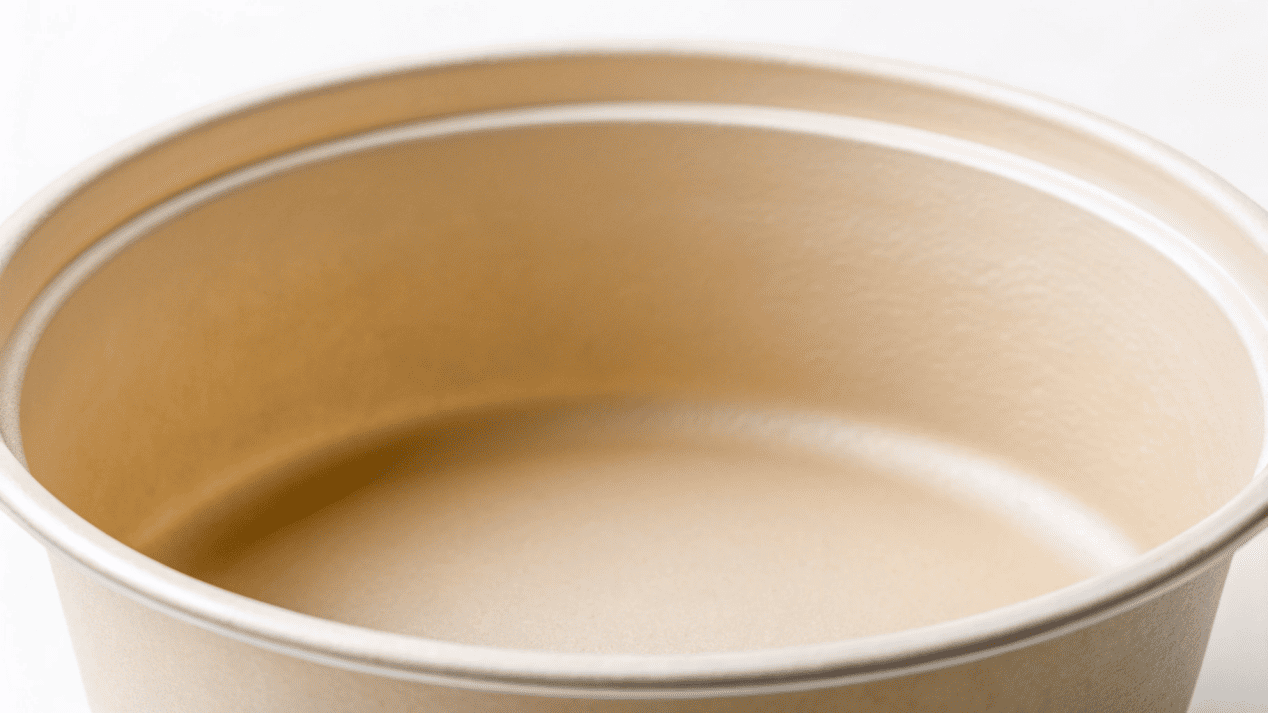
What a bowl is made of affects everything, from its durability to the taste of the soup itself. The materials must be completely inert, meaning they cannot react with the food in any way.
The Critical Inner Lining
The inner lining is the most important barrier. We use specialized, food-grade linings to handle high heat. This could be a high-performance polyethylene (PE) or a plant-based PLA for an eco-friendly option. The choice depends on the client's needs. The key is that the lining is flawlessly applied, creating a perfect seal that protects both the paper and the purity of the food's flavor.
A Guarantee of Purity
With over 21 years of materials science expertise, I know what works. All our materials are FDA and SGS certified11, guaranteeing they are 100% food-safe. We can advise you on the perfect material composition for your specific menu, ensuring optimal performance and absolute customer confidence in every spoonful.
Why is a Secure Lid So Critical for Soup Bowls?
A poorly fitting lid on hot soup leads to disastrous spills. This creates messes, customer complaints, and serious safety risks, especially during takeout and delivery.
A secure lid is critical because steam from hot soup creates pressure that can pop a loose lid off. A precision-fit, vented lid3 system is essential to prevent dangerous leaks and ensure a safe experience.
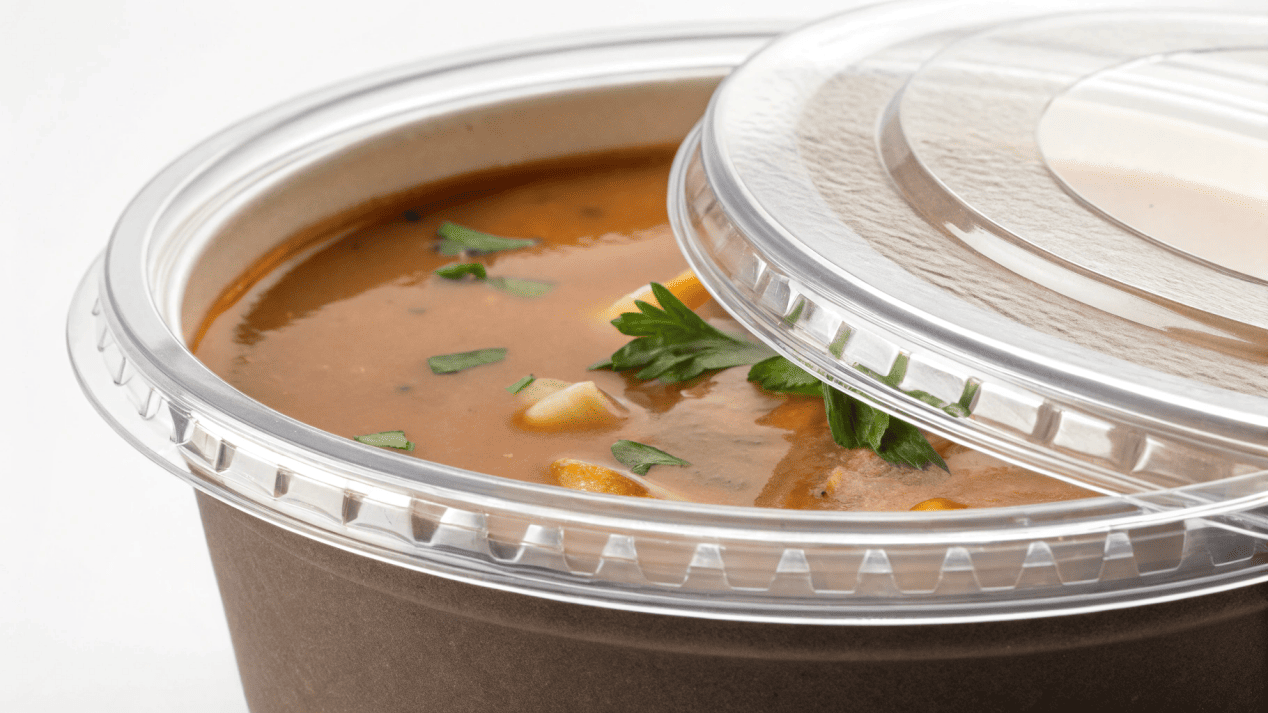
A soup bowl is only as good as its lid. I consider the lid the unsung hero of the entire package.
Engineered as a Matched System
A secure lid is a matter of precision engineering. Our bowls and lids are designed together as a matched system. We manufacture the rim of the bowl to extremely tight tolerances to create a perfect seal with the lid. This results in a satisfying "click" that signals a secure closure your staff and customers can feel.
The Importance of a Vent
Steam from hot soup creates pressure inside the container. That pressure needs to go somewhere. Our lids are vented with a tiny, precisely placed hole. This allows steam to escape, relieving pressure so the lid stays on tight without compromising the seal or allowing soup to splash out. This system-based approach provides a leak-resistant, travel-safe solution that protects your food and your brand.
What Certifications Guarantee a Bowl is Safe?
Any bowl can look clean, but hidden dangers can exist. Uncertified materials, or even the ink used for your logo, can potentially contaminate food with harmful substances.
Global certifications like BRC (Global Standard for Food Safety) and ISO guarantee safety. They ensure the entire manufacturing process—from raw materials to inks to the sterile factory environment—meets the highest international standards for hygiene and quality control.
This pillar underpins all others. There can be no compromise when it comes to the safety of the food your customers consume.
A Certified Chain of Trust
A truly safe bowl comes from a total commitment to a certified chain of trust. This involves using certified raw materials12, operating in a sterile production environment13, and using food-safe, odor-free inks that will not migrate into the food. Low-quality manufacturers often cut corners here.
Our Unquestionable Guarantee
Our facilities are BRC and ISO certified, which represent the highest global standards for quality management and hygiene. When you choose HAOKELAO, you are not just buying a bowl. You are buying a certified guarantee of safety and quality that you can confidently pass on to your customers with every single order.
Conclusion
A safe soup bowl is an engineered system of strong paperboard, a pure lining, a secure lid, and certified safety. It's a guarantee of quality and peace of mind.
Explore how high-grammage paperboard enhances heat resistance and structural integrity in food packaging. ↩
Learn about the significance of food-grade inner linings in preventing chemical leaching into food. ↩
Discover how vented lids prevent spills and maintain safety during hot soup delivery. ↩
Understand the importance of certifications like BRC and ISO in ensuring food safety standards. ↩
Explore the potential safety hazards in food packaging and how to mitigate them. ↩
Learn about the role of structural integrity in maintaining the safety of food containers. ↩
Find out how multi-ply paperboard improves durability and insulation for hot food containers. ↩
Understand the relationship between food packaging quality and customer trust in brands. ↩
Explore the benefits of using heat-resistant materials for safe food packaging. ↩
Learn how impermeable barriers protect food from contamination and maintain flavor. ↩
Discover the significance of FDA and SGS certifications in ensuring food safety. ↩
Find out how certified raw materials contribute to the safety and quality of food packaging. ↩
Discover the importance of maintaining a sterile production environment in food safety. ↩