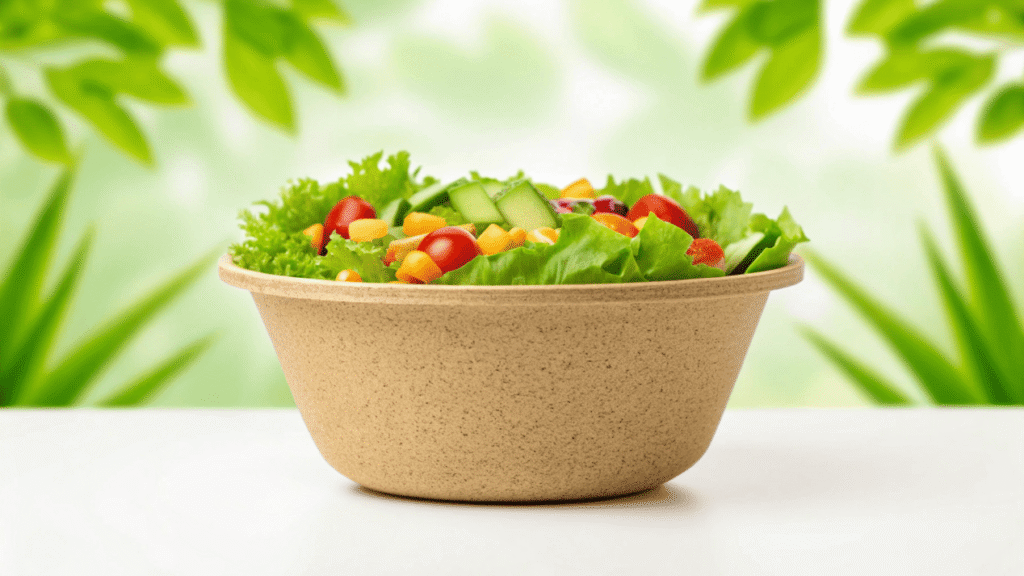
Your customers demand sustainable packaging. But with so many "green" claims, it's hard to know what's real, and weak eco-products can fail spectacularly.
A true BioBowl is a complete system. It combines sustainably sourced paper1 with a plant-based PLA lining2, is proven by official compostability certifications3, meets modern market demands, and is designed for a circular end-of-life4 as nutrient-rich compost5.
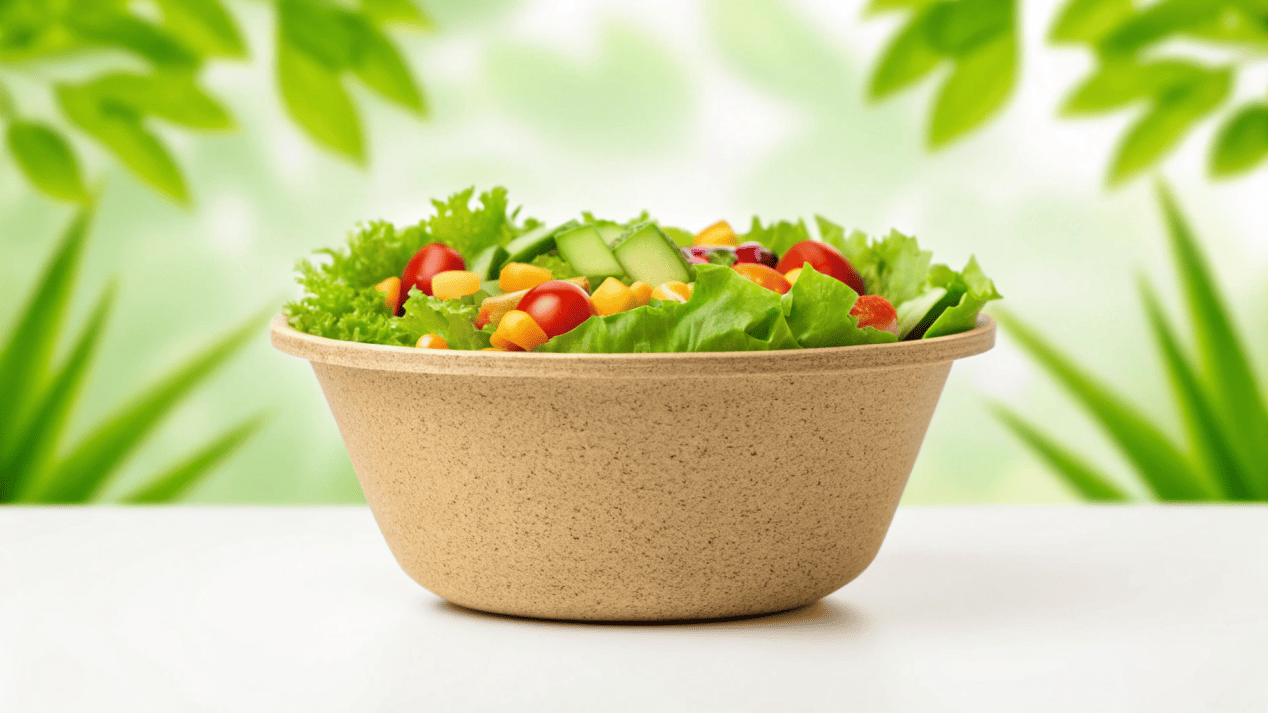
A true BioBowl is more than a container; it's a statement. It represents a fully engineered system of material science, market alignment, certified proof6, and a responsible end-of-life plan. As pioneers with over 21 years of experience in this field, we at HAOKELAO have perfected this system. Let's break it down.
What Materials Are Used in a Compostable BioBowl?
You need a bowl that's strong but also eco-friendly. Old plastic-lined bowls are strong but create waste, while flimsy "eco" bowls can become a soggy mess.
A BioBowl uses two core materials: a strong, sustainably-sourced paperboard for the structure, and a leak-proof inner lining made from PLA (Polylactic Acid), a bioplastic derived from plants7 like corn that is designed to be composted.
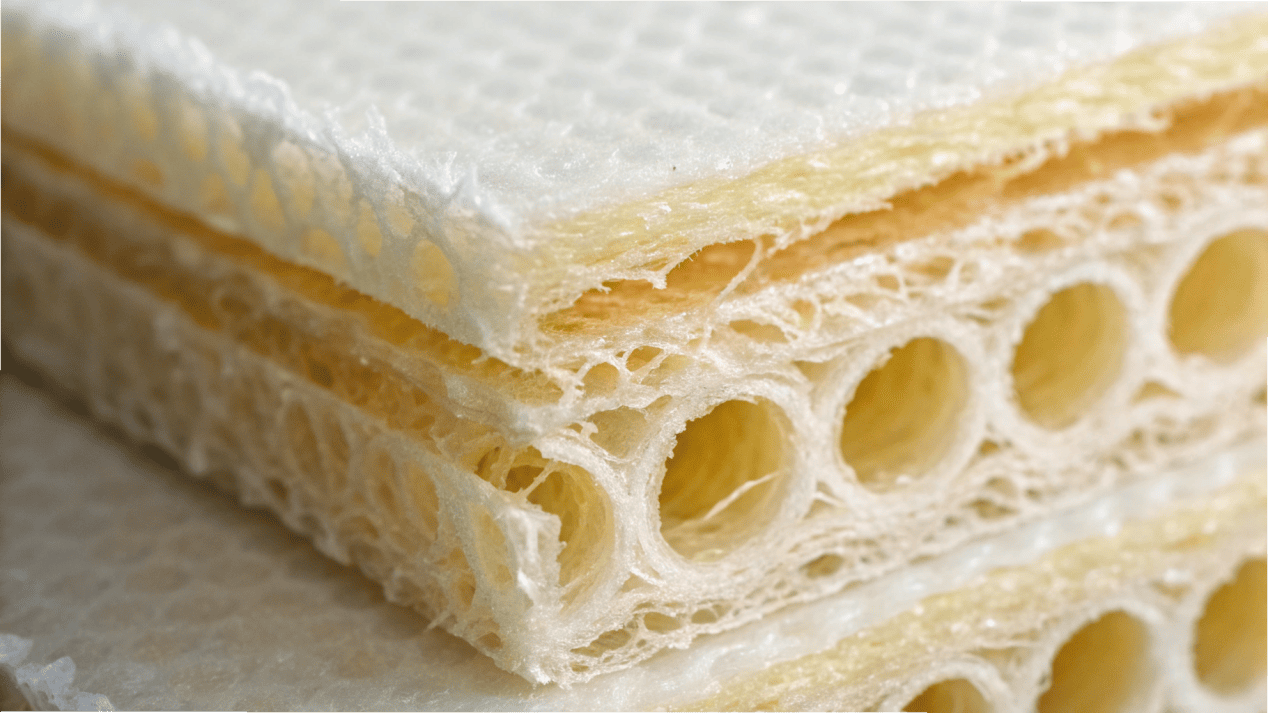
A BioBowl’s performance and environmental credentials begin with its very composition. It's a tale of two synergistic elements that must work together perfectly.
1. The Structure: Sustainable Paperboard
The foundation is premium paperboard from sustainably managed forests. As an engineer, I know it must be strong and rigid enough to handle everything from hot soup to heavy salads without losing its shape. We select specific grammages and fiber compositions to ensure superior performance and a quality feel in the customer's hand.
2. The Barrier: Plant-Based PLA
This is where the magic happens. Instead of a non-degradable polyethylene (PE) plastic, our BioBowls feature a lining made from PLA. This plant-based bioplastic creates a flawless, leak-proof, and grease-resistant barrier. More importantly, it is specifically designed to break down in a composting environment. We have perfected the technology of bonding PLA to paperboard, ensuring our BioBowls offer high performance without the environmental cost.
Why is There Such High Demand for BioBowls?
Your competitors are switching to eco-packaging. You may worry about being left behind or seeming out of touch with what modern customers and corporations truly value.
The demand is driven by two key forces: empowered customers8 who are loyal to brands with real environmental ethics, and ESG-driven corporations9 that require sustainable packaging to meet strategic goals and strengthen their brand identity.

The rise of the BioBowl is a direct response to a massive shift in consumer and corporate values.
1. The Empowered Customer
Today’s consumer isn't just buying food; they are buying into a brand's story and ethics. They actively support businesses that demonstrate genuine environmental responsibility. From my experience working with brands in over 80 countries, I can tell you that packaging is the most tangible, physical proof of this commitment.
2. The ESG-Driven Corporation
For businesses, sustainability is now a core pillar of brand identity and corporate strategy. Adopting compostable packaging is a clear, decisive action that helps meet ESG (Environmental, Social, and Governance) goals, differentiates a brand from its competitors, and powerfully communicates a commitment to the future.
| Old Mindset (Cost-Focused) | New Mindset (Value-Focused) |
|---|---|
| Packaging is a necessary expense. | Packaging is a marketing asset. |
| Cheapest supplier wins. | Certified, reliable partner wins. |
| End-of-life is not my problem. | Circularity is part of my brand. |
How Can You Prove a Bowl is Genuinely Compostable?
The market is flooded with vague "green" claims. Choosing the wrong product risks disappointing customers and being accused of greenwashing10, which can damage your brand's integrity.
You prove it with official, third-party certifications11 from reputable bodies like BPI (Biodegradable Products Institute) or TÜV AUSTRIA (OK compost). These scientific tests guarantee the product will break down safely and completely in a commercial composting facility.
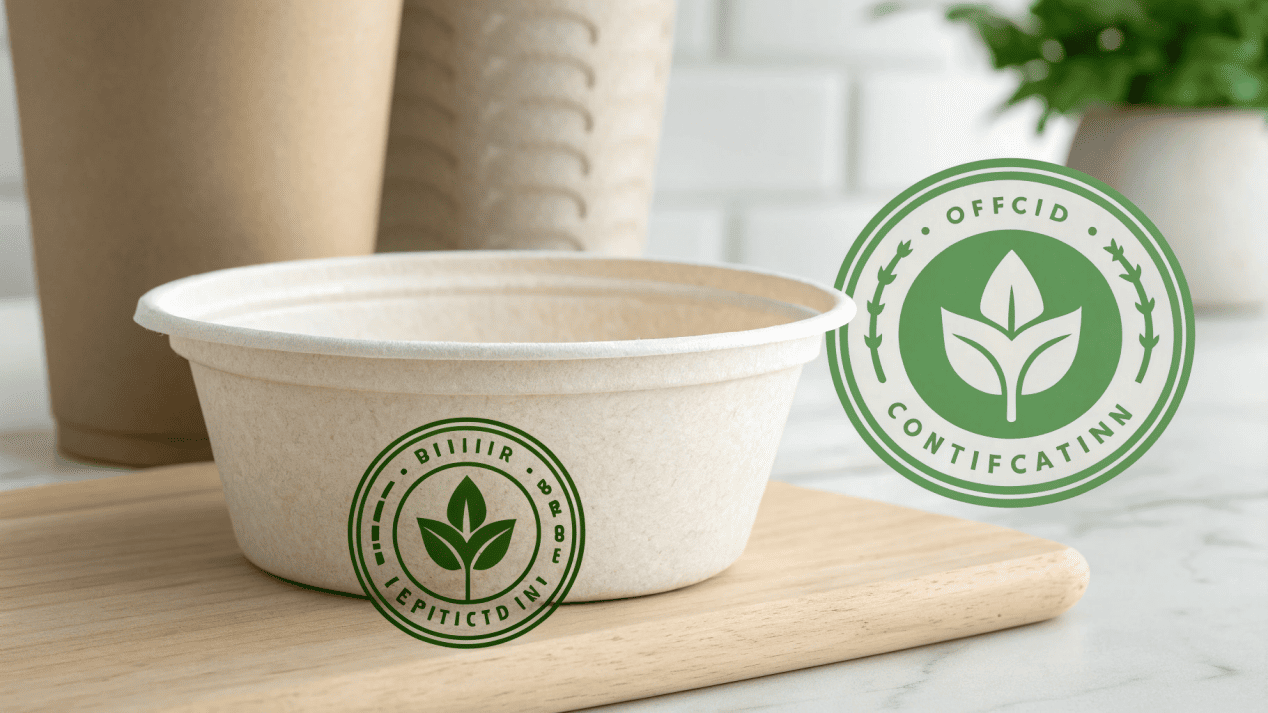
In today's market, the word "compostable" is meaningless without proof. Certification is the only thing that separates a genuine BioBowl from a greenwashed imitation.
The Gold Standard of Proof
Organizations like BPI and TÜV AUSTRIA provide your guarantee. They conduct rigorous scientific testing to confirm that a product will break down into healthy biomass within a specific timeframe (usually 90-180 days) in a commercial facility. This assures you—and your customers—that the bowl is free of harmful chemicals and is truly designed for a circular system.
Protecting Your Brand's Integrity
We believe in verification, not just claims. Our manufacturing facilities are already FDA, BRC, and ISO certified for safety and quality. On top of that, we ensure our BioBowls meet the highest international standards for compostability. We provide the certified proof6 so you can showcase your green credentials with absolute confidence.
What Happens to a BioBowl After It's Used?
You throw away hundreds of bowls a day. You know that traditional bowls are just piling up in a landfill, where they will sit for centuries and create plastic waste.
Instead of becoming landfill waste, a BioBowl is designed for industrial composting12. There, it breaks down with food scraps into nutrient-rich compost5 in about 90-180 days, closing the loop and returning its organic matter to the earth.
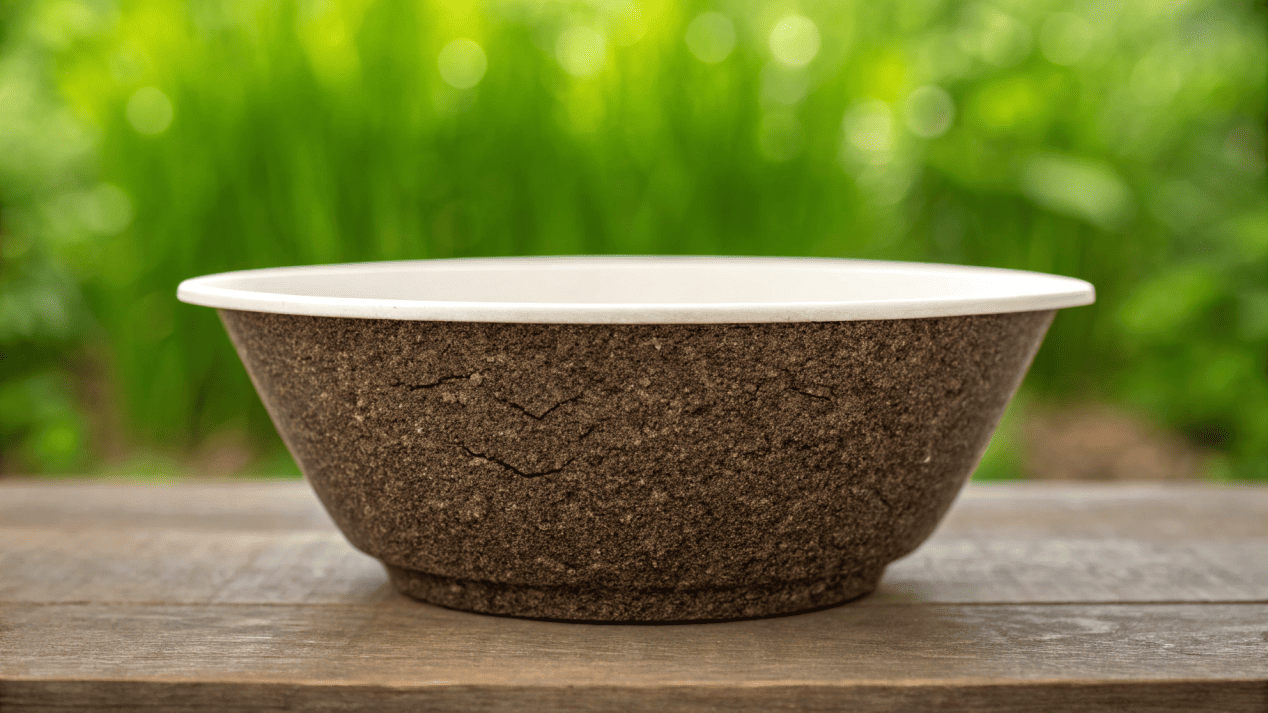
The most profound difference in a BioBowl is what happens after its last use. Its journey is not designed to end in a landfill.
From Landfill to Loam
A traditional PE-lined bowl is destined for a landfill. A HAOKELAO BioBowl is designed for industrial composting12. In this controlled environment of heat, moisture, and microorganisms, it breaks down completely. It doesn't create microplastics; it creates valuable, nutrient-rich compost5, or loam.
Activating the Circular Economy
This is the circular economy13 in action. The product doesn't become waste; it becomes a resource. By choosing compostable packaging, your business becomes an active participant in a system that reduces landfill dependency and helps enrich our soil. As engineers of this packaging, we feel we are also architects of this circular economy13, empowering our clients to be leaders in a more sustainable future.
Conclusion
A BioBowl is a complete system of smart materials, market savvy, certified proof6, and a circular end-of-life4. It is a tangible statement of your brand's commitment.
Learn about the environmental advantages of sustainably sourced paper and its role in eco-friendly products. ↩
Discover the innovative technology behind plant-based PLA lining and its impact on compostability. ↩
Understand the significance of compostability certifications in ensuring genuine eco-friendly products. ↩
Find out how circular end-of-life practices contribute to reducing waste and promoting sustainability. ↩
Learn about the process of creating nutrient-rich compost and its benefits for the environment. ↩
Understand the concept of certified proof and its role in ensuring product authenticity. ↩
Discover the advantages of bioplastics and their role in reducing environmental impact. ↩
Learn how consumer preferences for sustainability are reshaping the packaging landscape. ↩
Explore how ESG principles shape corporate strategies and drive demand for sustainable packaging. ↩
Explore the concept of greenwashing and how to recognize genuine sustainable products. ↩
Understand the importance of third-party certifications in verifying the sustainability of products. ↩
Discover the process of industrial composting and its role in managing organic waste. ↩
Learn about the circular economy and its importance in promoting sustainable practices. ↩