You serve delicious food in paper bowls every day. But what really separates your food from the paper? The invisible coating is vital for safety and your brand's reputation.
A paper bowl is made food-safe1 by its inner coating2, usually PE3 or PLA4. This coating must be proven to prevent chemicals from migrating into the food. This is verified by strict lab testing and global certifications5 like BRC6.
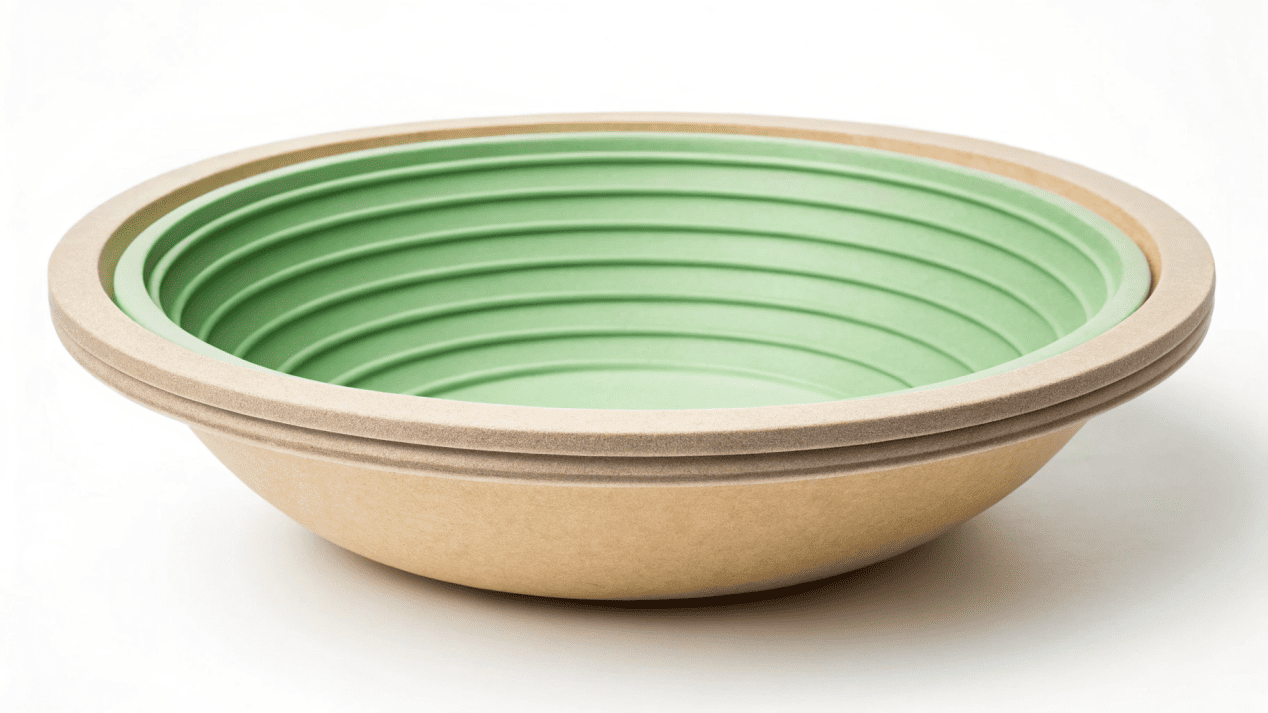
When a customer enjoys a hot soup from one of your bowls, an invisible guardian is at work. This is the food-grade coating7. It is the most critical safety feature of the container. As a manufacturer whose factory is certified by the highest international standards like BRC6 and ISO8, I treat this coating's safety as the core of my promise to you. Let us look at the science behind safe packaging.
What Are the Main Types of Food-Safe Coatings?
You see options like PE3 and PLA4 but are unsure which to choose. Making the wrong choice can affect your costs, performance, and your brand's environmental message.
The two main coatings are PE3 (Polyethylene) and PLA4 (Polylactic Acid). PE3 is the durable, cost-effective industry standard. PLA4 is a plant-based, compostable bioplastic, perfect for eco-conscious brands9.
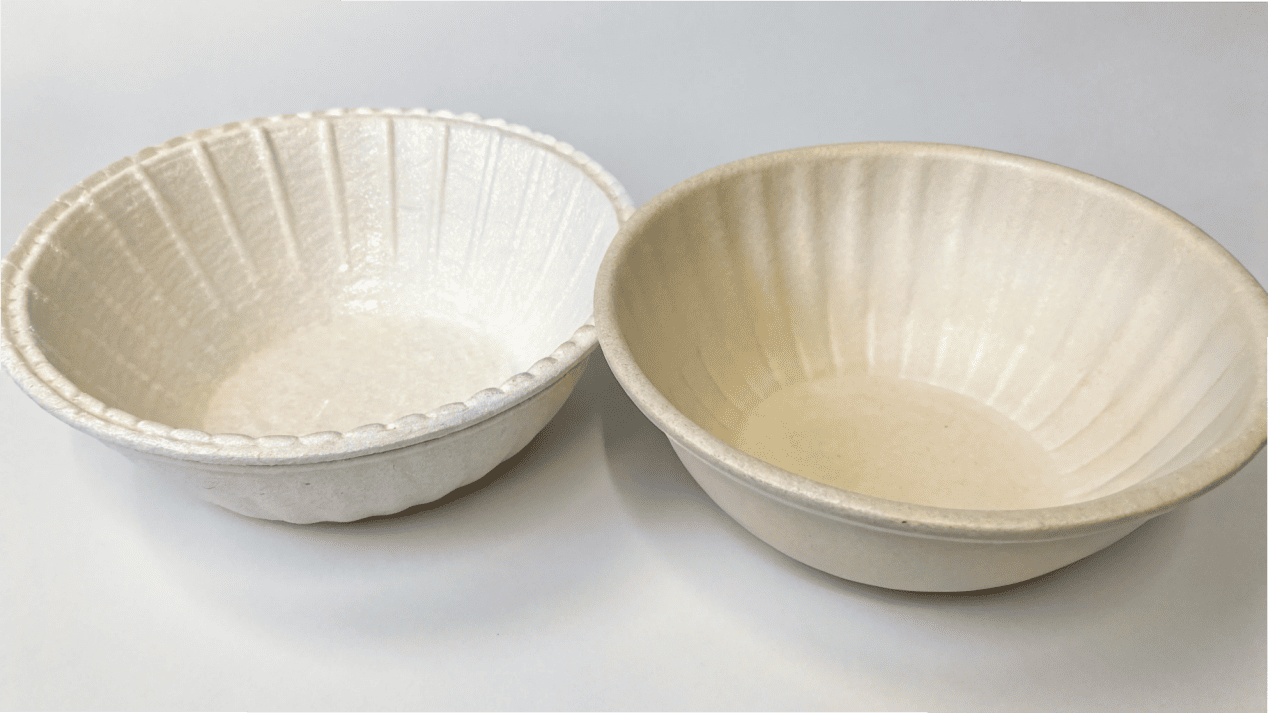
In the world of paper bowls, two main types of coatings dominate the market. I have mastered the application of both in my factory, and each serves a specific purpose.
The Time-Tested Industry Standard: PE3
PE3 (Polyethylene) is the reliable workhorse. It is a highly stable plastic polymer that creates a perfect barrier against moisture and grease. It has been used for decades and has a long, proven track record of safety and performance for both hot and cold foods. Its reliability and cost-effectiveness make it the industry standard.
The Sustainable Innovator: PLA4
PLA4 (Polylactic Acid) is the eco-friendly champion. It is a bioplastic made from renewable plant resources like cornstarch, not petroleum. PLA4 offers excellent performance and is commercially compostable, meaning it can break down into soil. This makes it the top choice for brands that want to build a sustainable story10.
| Feature | PE3 (Polyethylene) | PLA4 (Polylactic Acid) |
|---|---|---|
| Origin | Petroleum-based plastic | Plant-based bioplastic |
| Best For | Cost-effective reliability | Eco-conscious branding |
| End-of-Life | Landfill / Recycling (where available) | Commercial Composting |
What Is "Migration" and Why Does It Matter for Safety?
You see the term "food-grade," but what does it mean scientifically? Without understanding migration11, you cannot be truly confident that your packaging is safe for your customers.
Migration is the transfer of tiny particles from the packaging into the food. Strict limits are set by bodies like the FDA. A high-quality coating acts as a stable barrier to prevent this, keeping food pure.
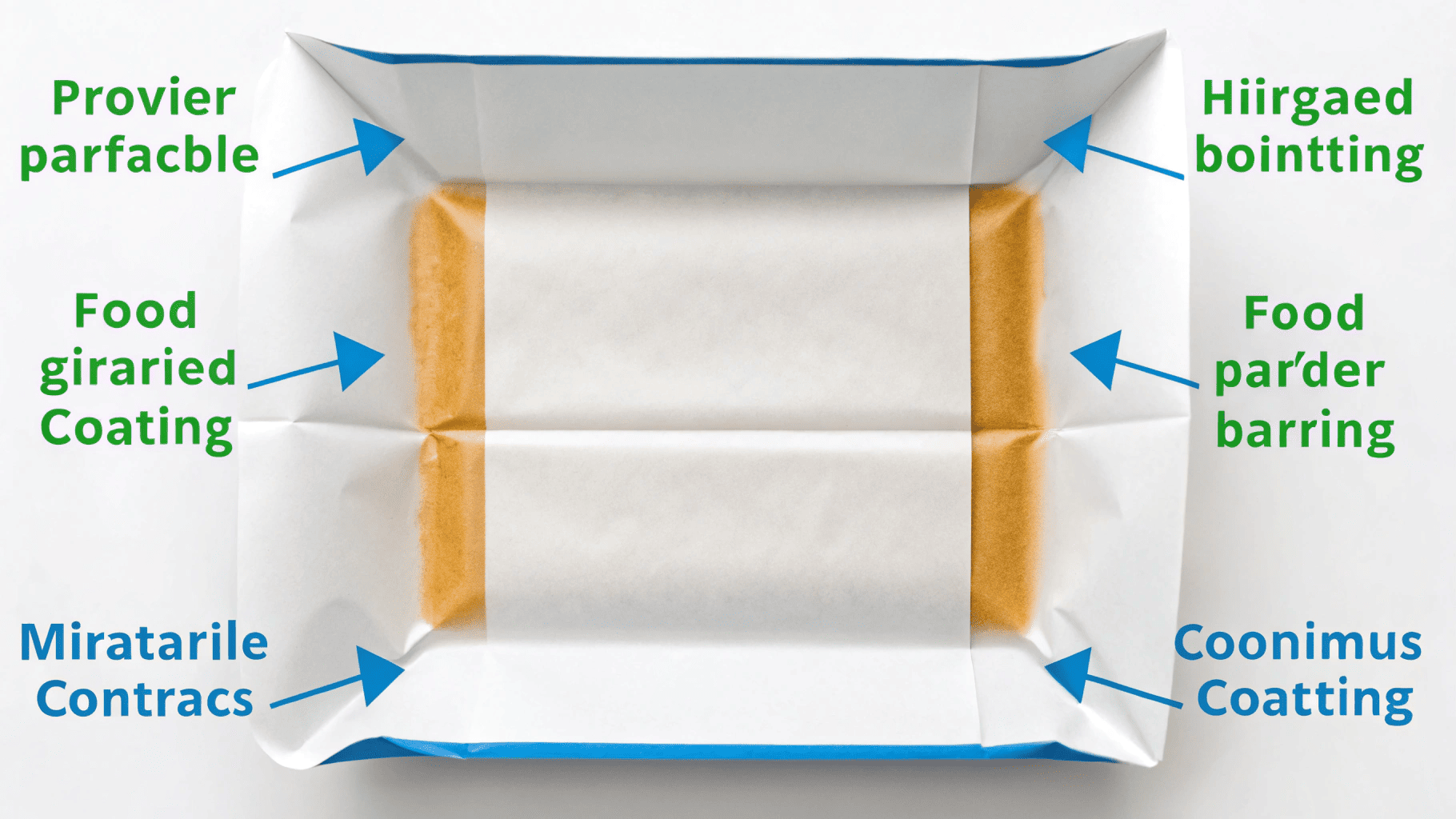
This is the most critical concept in food contact safety. The entire purpose of a food-grade coating7 is to prevent migration11.
The Science of Staying Pure
In simple terms, migration11 means that tiny, invisible particles could potentially move from the packaging material into the food. A high-quality coating must be inert, meaning it does not react with the food at all. It does not matter if the food is hot, acidic like tomato soup, or oily like a salad dressing. The coating must form a stable barrier that keeps the food pure. At my company, our entire philosophy is built on sourcing the highest purity raw materials for our coatings. We do not just aim to meet the safety limits; we aim for zero migration11. This gives you the ultimate confidence that your food's taste and purity remain completely untouched. This commitment is central to my work as an engineer and a business owner.
How Is the Safety of Paper Bowls Actually Tested?
A supplier tells you their bowls are safe, but how can you really be sure? Talk is cheap when your brand reputation and customer health12 are on the line.
Safety is proven through intense testing by independent labs. Certifications like BRC6 (Brand Reputation Compliance) audit the entire production process. This certification is a globally recognized guarantee of safety and quality.
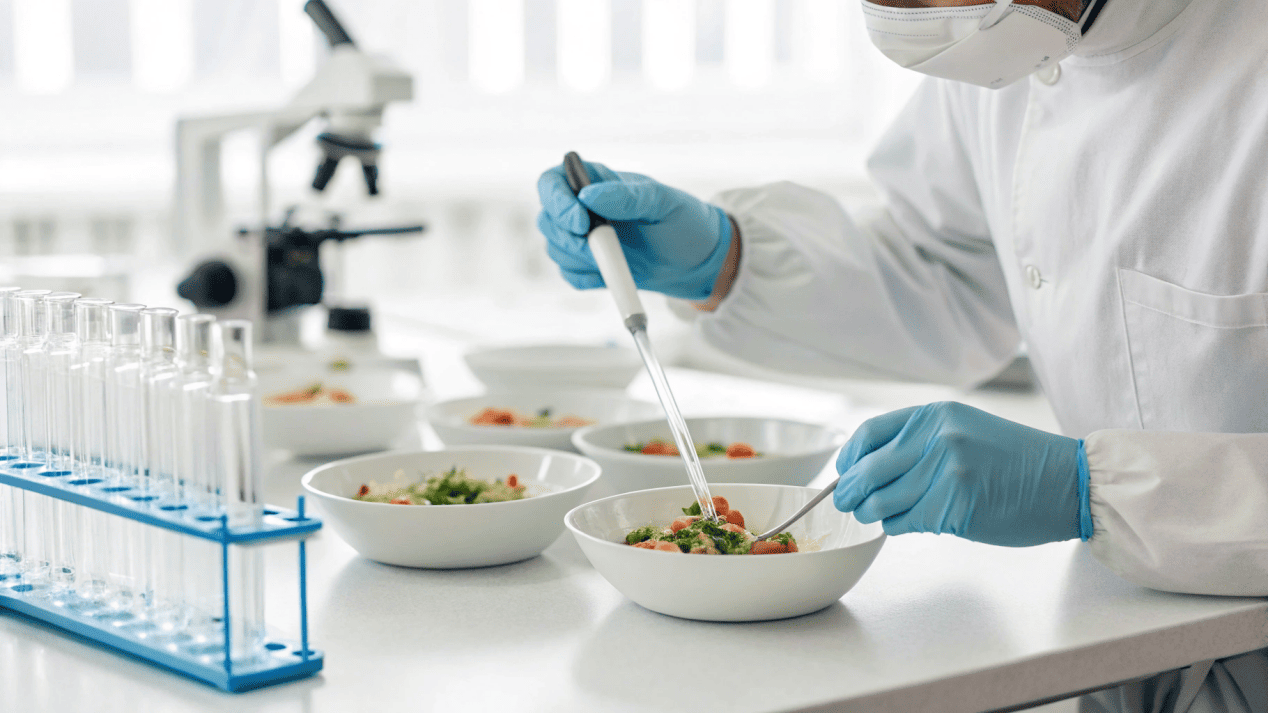
How can you be certain a coating is truly safe? The only answer is through relentless, verifiable testing and certification.
Simulating Real-World Use
Reputable manufacturers like mine send our products to independent laboratories. These labs run a series of tough tests. They fill the bowls with food simulants—liquids that mimic acidic, alcoholic, or oily foods. Then they store them at high temperatures for long periods. After this, they use specialized equipment to analyze the contents and check for any migrated substances.
The Power of Global Certification
This is why certifications5 like BRC6 are the gold standard. BRC6 is one of the most difficult food packaging safety certifications5 to earn. Auditors inspect every single step of our process. They check the raw materials when they arrive, our storage, our production lines, and the final packed product. For my factory, our BRC6 and ISO8 certifications5 are not just badges we display. They are the operating system for our entire company. This is your verifiable proof that you are partnering with a world-class, safety-first manufacturer.
Can You Use "Safety" as a Marketing Tool?
You might think safety is just a basic requirement everyone meets. But what if your competitors are using it to win the trust of your customers?
Yes, absolutely. Today's consumers are very informed and care about what they eat. Highlighting your certified-safe packaging shows you care about their well-being, which builds deep trust and powerful brand loyalty13.

In the past, safety was an unspoken assumption. Today, it is a powerful point that savvy consumers actively look for.
The Informed Modern Consumer
The modern customer reads labels and researches brands. They care about "clean" products. This focus now includes the packaging around the food. When I talk to brand owners, I always tell them this: "Do not hide your commitment to safety." Partnering with a manufacturer that prioritizes and certifies safety allows you to turn this requirement into a powerful marketing message. You can confidently tell your customers, "We care about every detail, especially your well-being." This builds a level of brand loyalty13 that goes far beyond just taste or price. It creates a deep connection based on trust. I see our clients who do this have the strongest and most loyal customer bases. They are not just selling food; they are selling peace of mind.
Conclusion
The coating on your bowl is an invisible guardian. Choosing a supplier with globally recognized certifications5 like BRC6 is not an expense—it's an investment in safety, trust, and your brand's future.
Understanding what makes packaging food-safe is crucial for ensuring customer health and safety. ↩
Learn how the inner coating protects food and maintains quality, ensuring a safe dining experience. ↩
Discover why PE is the industry standard for food packaging and its advantages in safety and cost. ↩
Explore the eco-friendly benefits of PLA and how it supports sustainable branding. ↩
Explore the various certifications that guarantee the safety and quality of food packaging. ↩
Learn about BRC certification and why it is a gold standard for safety and quality in food packaging. ↩
Understanding food-grade coatings is vital for ensuring that food safety standards are met. ↩
Discover how ISO certification ensures high standards in food safety and manufacturing processes. ↩
Discover strategies for brands to adopt eco-friendly practices in their packaging solutions. ↩
Learn how sustainable packaging can enhance a brand's image and attract eco-conscious consumers. ↩
Understanding migration is key to ensuring that food remains uncontaminated and safe for consumption. ↩
Understanding the link between packaging safety and customer health can enhance brand loyalty. ↩
Explore the connection between packaging safety and building strong customer relationships. ↩