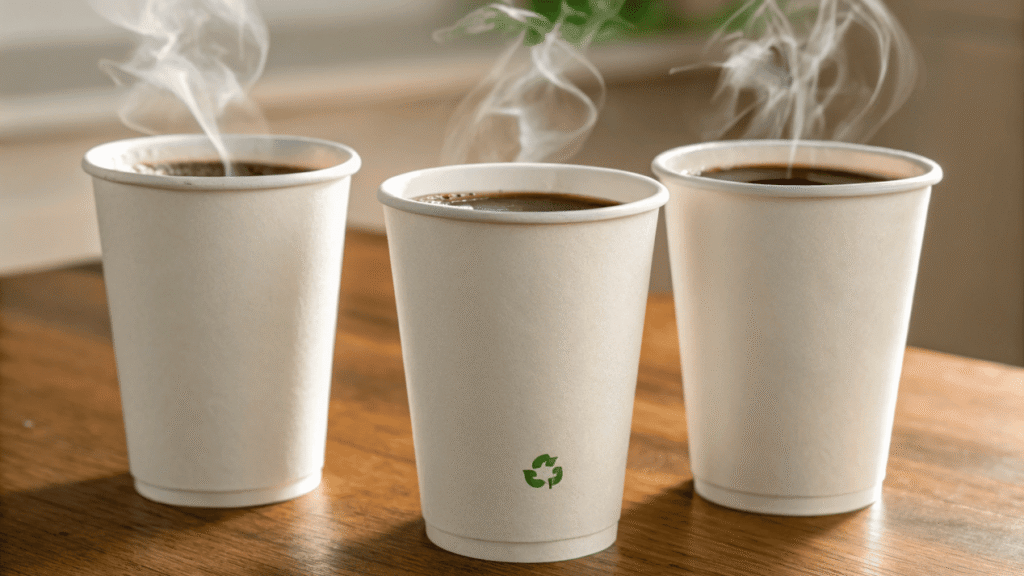
You think a paper cup is just paper. But this assumption means you might be choosing the wrong product, affecting your costs, performance, and environmental story.
Modern paper cups are made from paperboard1 with a waterproof coating2. This is usually a plastic PE lining3, a compostable PLA bioplastic4c](https://papercupshkl.com/what-are-the-real-benefits-of-using-pla-coated-paper-cups/)%%%FOOTNOTE_REF_5%%% lining, or a recyclable water-based coating6.
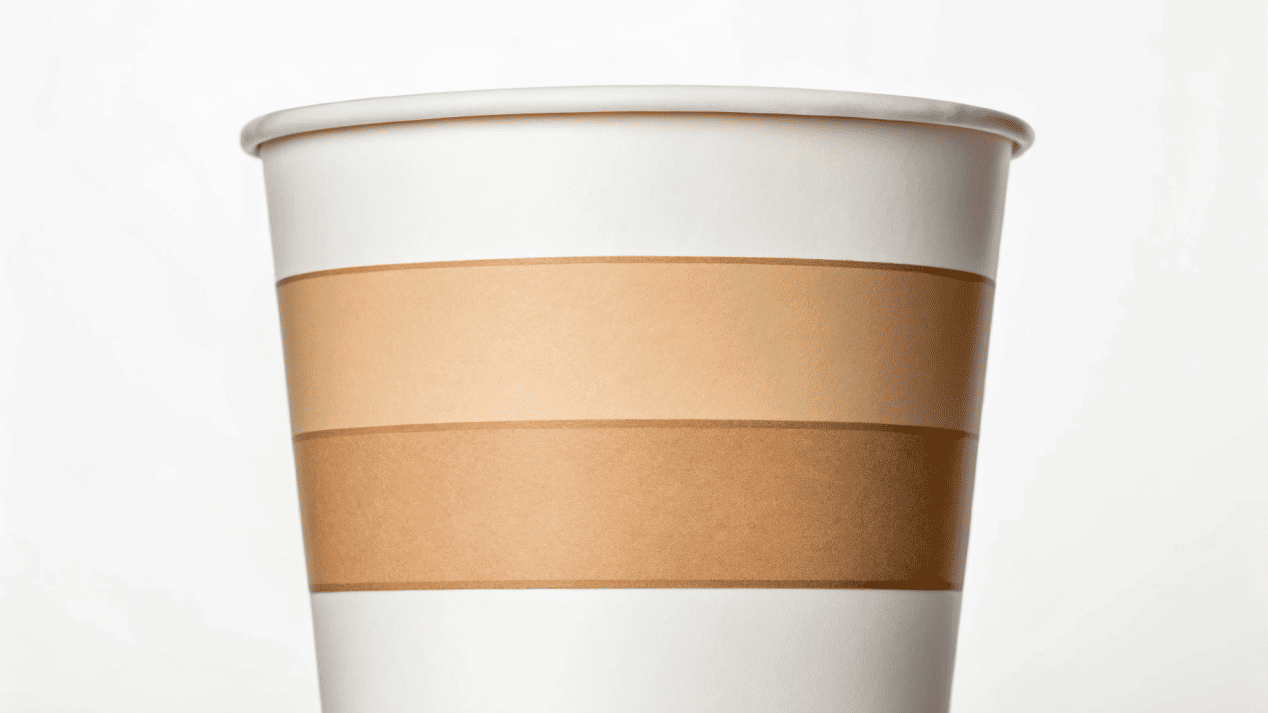
On the surface, a paper cup looks simple. But as an engineer who has spent over 15 years in this industry, I can tell you there is a world of science inside. The choice of material for your cup directly impacts its environmental footprint, its performance, its cost, and ultimately, the story your brand tells. I believe that giving you this knowledge is the first step to building the perfect packaging strategy7 for your business. This guide will break down the core materials used in paper cup manufacturing today, from the industry standard to the new eco-friendly options.
What Is the Standard Material for Paper Cups Today?
You see standard paper cups everywhere. But you might not know what makes them waterproof, or why this feature makes them so bad for basic recycling programs8.
The standard material is PE (Polyethylene) coated paperboard1. It's a very thin plastic lining that makes the cup waterproof but also very difficult to recycle in standard facilities.
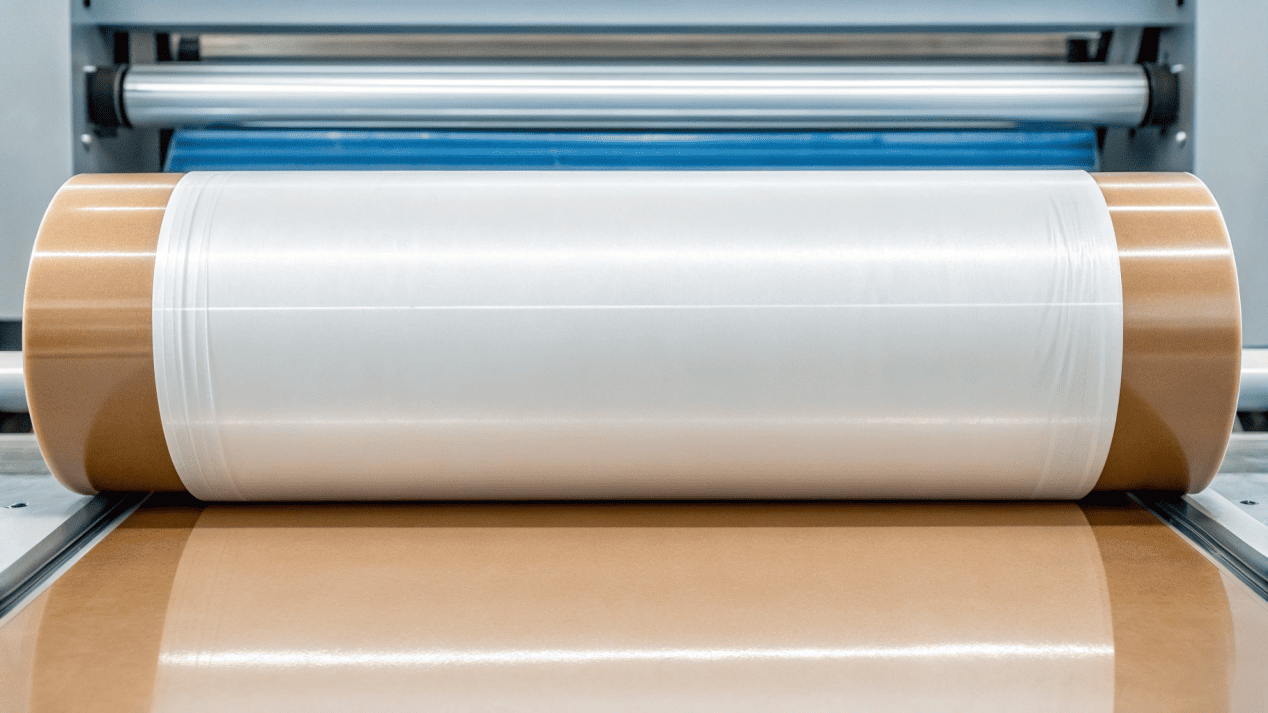
This is the cup that we have all known for years. We start with a high-quality paperboard1 and coat it with a micro-thin layer of polyethylene (PE), which is a type of plastic. This PE lining creates a perfect waterproof barrier. It stops the paper from getting soggy and makes sure the cup holds its shape. It works great for both hot coffee and cold soda. For a long time, it has been the most reliable and cheapest technology on the market. It offers fantastic performance. But it has a big challenge. That plastic lining makes it a nightmare for recycling. The process of separating the PE from the paper fiber needs special, expensive machines. Most recycling centers don't have them. This means that almost all of these PE-lined cups end up in a landfill, even if your customers put them in the recycling bin.
What Are the Eco-Friendly Alternatives to Plastic-Lined Cups?
Customers are demanding sustainable options9. Using old plastic-lined cups can make your brand look outdated. Thankfully, new eco-friendly coatings10 can solve this problem and tell a better story.
The two leading alternatives are PLA (Polylactic Acid), a commercially compostable bioplastic5, and Aqueous coatings11, a recyclable water-based barrier that makes the cup "plastic-free12."
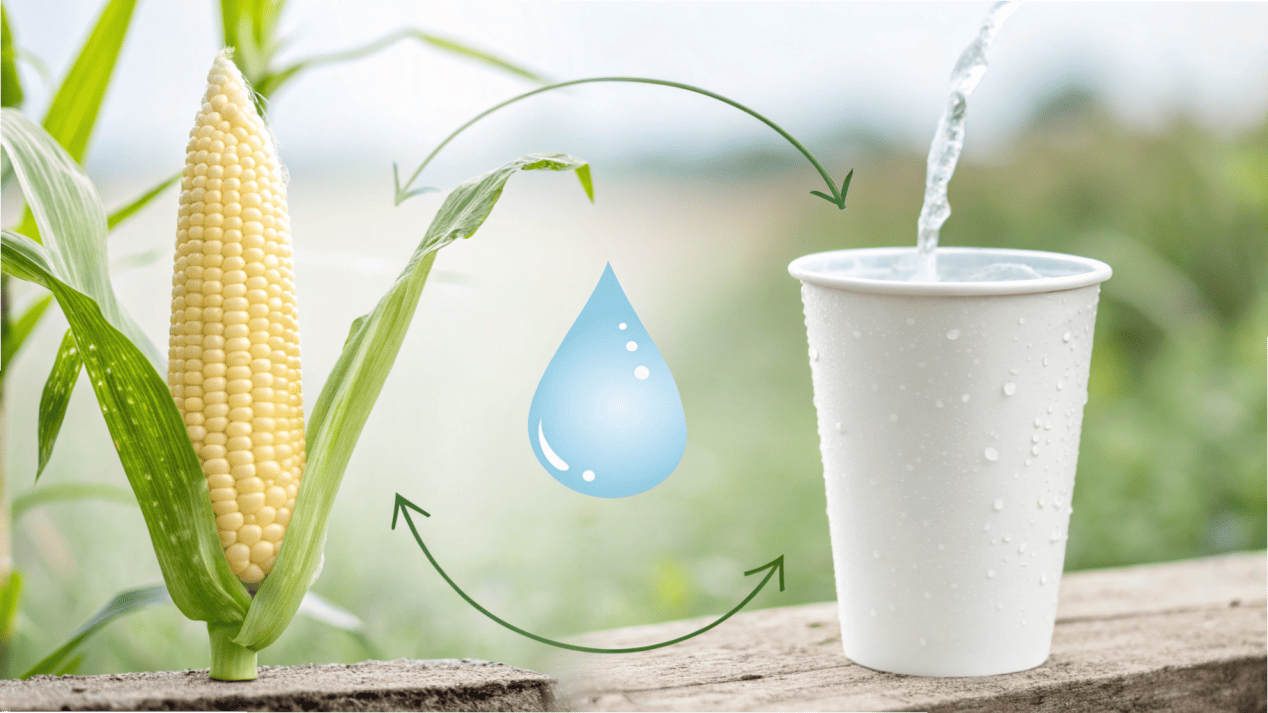
The demand for sustainability from both customers and governments has led to incredible innovation. I've been thrilled to help my partners adopt these new technologies. Here are the two main alternatives that are changing the industry.
Alternative #1: PLA (Polylactic Acid) Coating
PLA is what we call a "bioplastic5." It's made from renewable plant resources like corn starch or sugarcane. We apply it as a lining inside the cup, just like the old PE plastic. Its key feature is that it is commercially compostable. This means if you send it to a special industrial composting facility, it will break down into organic material, carbon dioxide, and water. A key point I always tell my clients is that it depends on your customers having access to these special facilities. It will not break down in a backyard compost pile.
Alternative #2: Aqueous (Water-Based) Coating
This is the newest and most exciting "plastic-free12" technology. Instead of a separate plastic film, we apply a water-based liquid barrier directly to the paper. This liquid then cures to become waterproof. You can think of it less like a plastic layer and more like a very high-performance, food-safe paint. The main benefit is that these cups are designed to be repulpable, which means they can be recycled in normal paper recycling streams along with cardboard and office paper.
How Do These Cup Materials Perform in Real-World Use?
You're considering eco-friendly cups for your business. But you rightly worry they might leak or fail, especially with very hot drinks. Is the performance really as good?
Yes. All three materials—PE, PLA, and Aqueous—offer excellent waterproofing and durability when manufactured correctly. The most important performance difference is not in holding liquid, but in their end-of-life story13.
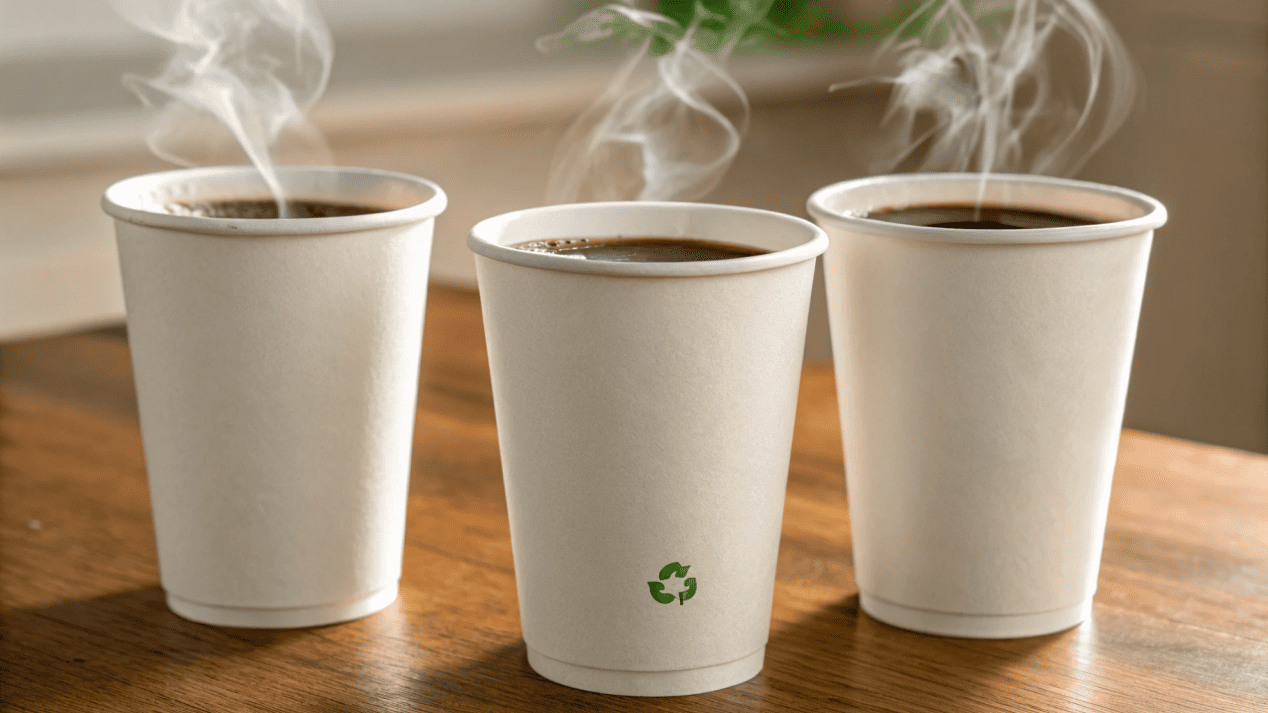
I get this question all the time. My partners want to be sustainable, but they cannot risk a cup that fails and creates a mess for their customer. The good news is that modern manufacturing has solved this problem. The performance difference is no longer a major issue. The real difference is where the cup goes after it's used. Let me break it down in a simple table.
| Performance Metric | PE (Plastic) Lined | PLA (Bioplastic) Lined | Aqueous (Water-Based) Coated |
|---|---|---|---|
| Waterproofing | Excellent | Excellent | Excellent |
| Heat Tolerance | Excellent, for boiling liquids | Good (Standard), Excellent (C-PLA) | Excellent, for boiling liquids |
| End-of-Life | Landfill | Commercial Composting ONLY | Standard Paper Recycling |
As you can see, the ability to hold hot or cold drinks is great across all three options. Standard PLA can sometimes have a lower heat tolerance14, but new formulas like C-PLA (Crystallized PLA) have improved this a lot. The most critical difference is the end-of-life. A PE cup goes to the landfill. A PLA cup can go to a commercial composter. An Aqueous cup can go into the regular paper recycling bin. That is the story you are choosing.
What Is the Cost Difference Between These Paper Cup Materials?
You need to manage your packaging budget carefully. Choosing a new material without understanding its cost can damage your bottom line. How do the prices really compare?
PE-coated cups are the most affordable. PLA cups have a moderate price increase, and Aqueous-coated cups, being the newest technology, typically cost the most.
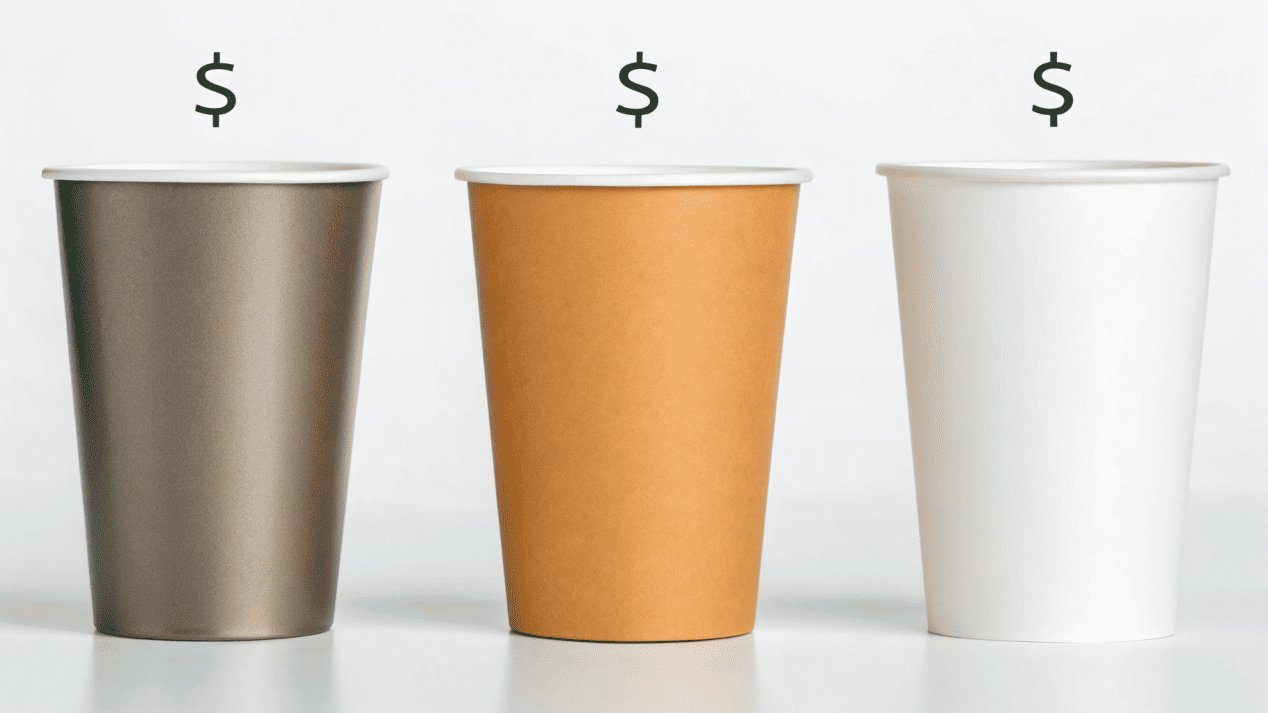
For any business, cost is a critical factor. I work closely with my partners to find the right balance. Here is the general cost structure15 you can expect.
1. PE Coated Cups: These are the most cost-effective option. The technology has been around for decades, and the production is massive and very efficient. That scale keeps the prices down.
2. PLA Coated Cups: These have a moderate premium over PE cups. This extra cost comes from sourcing the plant-based materials like corn, which can be more expensive than fossil-fuel-based plastic. The manufacturing process is also more specialized. You are paying for the powerful "made from plants" and "compostable" brand story.
3. Aqueous Coated Cups: As the newest and most innovative technology, these usually have the highest premium. The price reflects the advanced material science behind the coating. I tell my clients to see this not just as a cost, but as an investment. You are buying a "plastic-free12 and recyclable" story that future-proofs your brand against new plastic regulations.
Conclusion
There is no single "best" cup. The right choice for your brand depends on balancing cost, performance, and your sustainability goals. We can help find your perfect match.
Explore the versatility of paperboard in various industries and its role in sustainable packaging. ↩
Learn about different waterproof coatings and their applications in packaging and other industries. ↩
Understand the implications of using PE lining in products and its effects on recycling. ↩
Discover the benefits of PLA bioplastic and its role in sustainable packaging solutions. ↩
Learn about bioplastics, their sources, and their environmental advantages over conventional plastics. ↩
Find out how water-based coatings contribute to eco-friendly packaging and recycling. ↩
Learn how to create a packaging strategy that aligns with your brand's sustainability goals. ↩
Explore the challenges faced by recycling programs and how to improve them. ↩
Explore various sustainable packaging options that can enhance your brand's image. ↩
Discover the advantages of eco-friendly coatings in reducing environmental impact. ↩
Understand the technology behind Aqueous coatings and their benefits for packaging. ↩
Understand the concept of plastic-free packaging and its benefits for the environment. ↩
Explore the significance of end-of-life stories in sustainable packaging choices. ↩
Learn about the heat tolerance of different packaging materials and their applications. ↩
Gain insights into evaluating the cost structure of various packaging options. ↩