
You choose a paper cup for your business, trusting it's safe. But with suppliers all over the world, how can you be sure? A low-quality cup can risk your customer's health and your reputation.
Truly food-grade paper cups must meet four quality pillars: adherence to key international standards (like BRC, ISO), passing rigorous scientific tests (like migration testing), proven compliance through documentation, and a supplier who can pass a checklist of tough questions.
In my 20-plus years of manufacturing, I've learned that quality is not an accident. It is a system built on rules, science, and accountability. A paper cup is a direct link between your brand and your customer's lips. It is a promise of safety. Let me break down the system of standards that backs up that promise, so you can choose a partner with complete confidence.
What Certifications Actually Matter for Paper Cups?
You see logos like ISO, FDA, or BRC on a supplier's website, but it's just alphabet soup. It's hard to know which ones are just for marketing and which ones guarantee real safety.
The most important certifications are FDA (US material safety), BRCGS (audits the entire factory for safety and hygiene), ISO 9001 (proves consistent processes), and FSC (ensures responsible paper sourcing).
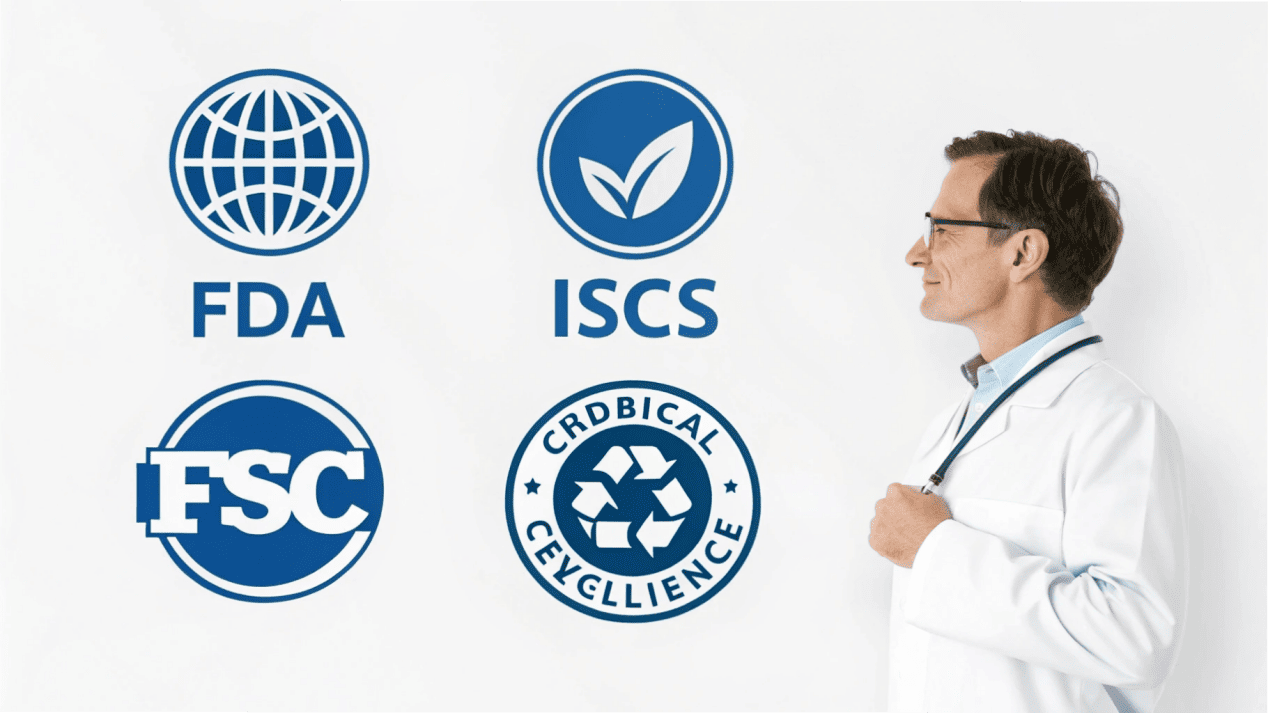
Good manufacturers don't make their own rules; we follow globally recognized standards. In my factory, these aren't just certificates on the wall; they are the rules we operate by every single day. As an engineer, I value the systems they create. Some focus on the materials, while others focus on the entire process. A truly great supplier must have them all. You need a partner who can prove they meet the highest global benchmarks for both safety and process control. This is the first level of trust. If a potential supplier cannot show you these certifications, the conversation should end there.
| Certification | What it Guarantees for You | Why It's Important to Me |
|---|---|---|
| FDA | The cup's materials (paper, ink, lining) are safe for food contact in the US. | This is the basic "ticket to play" for North America. It's a non-negotiable starting point. |
| BRCGS | The entire factory is audited for hygiene, safety, and quality control. | This is a very tough standard. Auditors check my factory's cleanliness, my team's hygiene, and how we prevent contamination. It proves we have a culture of safety. |
| ISO 9001 | The manufacturer has consistent, repeatable processes to produce quality products. | This one is my favorite as an engineer. It proves we have written rules that we follow every time to ensure the first cup and the millionth cup are identical in quality. |
| FSC | The paper comes from responsibly managed forests. | This is about integrity. It shows we care about the planet and that we're not contributing to deforestation. |
How Do You Scientifically Prove a Cup is Safe?
A supplier can show you a certificate, but that was from a year ago. How do you know that the specific batch of cups you are buying today is actually safe?
Proof comes from ongoing, rigorous testing. This includes checking raw material purity, migration testing for chemicals, sensory tests for taste and odor, and physical tests for leaks and strength.

A certificate is a snapshot in time; daily testing is a continuous video of quality. It's where the science of safety happens. In our in-house labs, we start with the raw materials. We confirm the paperboard is 100% virgin wood pulp—never recycled paper, which can contain unknown contaminants from its previous life. We ensure our inks are food-grade and water-based. Then comes the most critical test: migration testing. Imagine your cup is like a teabag. We check to make sure nothing from the "teabag" (the cup's materials) leaches into the "water" (your customer's drink). We test for any migration of heavy metals or fluorescent whitening agents under hot and cold conditions. The result must be far below strict legal limits. Finally, physical safety is also key. A "safe" cup that leaks hot coffee is not safe at all. We test for leakage, rigidity, and how the cup holds up to temperature changes.
What Paperwork Should You Demand from Your Supplier?
Your order of cups arrives, but there's no paperwork inside. You just have to take the supplier's word that they meet all the legal requirements. This is a huge risk for your business.
You must demand two key documents: a Declaration of Compliance (DoC) with every order, and you must confirm your supplier has a robust traceability system with clear batch codes on all products.

A professional supplier provides proof and takes full accountability for their products. The most important piece of proof is the Declaration of Compliance, or DoC. This is a formal legal document that states the product you just received complies with all relevant food contact laws in your region. It is your proof that you have done your due diligence. It's like a passport for your products. Second, you must verify their traceability. I take great pride in our system. Every box of cups, and often every sleeve, has a unique batch code. With that code, I can trace a single cup back to the exact roll of paper it was made from, the employee who operated the machine, and the day it was produced. A few years ago, we identified a minor printing issue on a roll of paperboard. Because of our traceability system, we located the exact two pallets of finished cups affected within minutes, preventing them from ever leaving our factory. This is the hallmark of a professional, accountable partner.
What Questions Should You Ask a New Paper Cup Supplier?
You are ready to choose a supplier and are tempted by a low price. But you are afraid of asking the wrong questions or getting tricked by a supplier who cuts corners on safety.
Use a simple checklist. Ask for current certifications, confirm原料 details, request recent testing reports, and verify their compliance processes. A good supplier will welcome these questions.

The price of a cup means nothing if it puts your business at risk. When you talk to a potential new supplier, don't be shy. You need to be an investigator. Here is the essential checklist you should use to vet any potential partner. I use these same principles myself. If a supplier hesitates or cannot give you clear answers, consider it a major red flag. A partner who is committed to quality will be proud to provide this information.
- Certifications: "Can you please provide current copies of your BRC, ISO 9001, and FSC certificates?"
- [Raw Materials: "Can you confirm in writing that your paperboard is 100% virgin pulp and that your inks are food-grade water or soy-based?"
- Testing Reports: "Can you share a recent migration testing report for the specific cup type I am interested in?"
- Compliance: "Do you provide a full Declaration of Compliance (DoC) with every single shipment?"
- Traceability: "Can you explain your batch coding system to me? Where is it printed and what information can you get from it?"
- Prohibited Substances: "Can you formally confirm your products are free from fluorescent whitening agents?"
Conclusion
Choosing a paper cup supplier is a partnership decision. It requires looking beyond the price and focusing on standards, testing, compliance, and transparency. This protects your brand and every customer you serve.