You use disposable cups daily, but their creation seems like a mystery. A poorly made cup can leak, have faded branding, and ultimately damage your business's reputation.
A cup is made in three main stages: first, printing, coating, and die-cutting the paper; second, using high-speed machinery to form the cup body, seal it, and attach the base; finally, rigorous quality control and hygienic packaging.
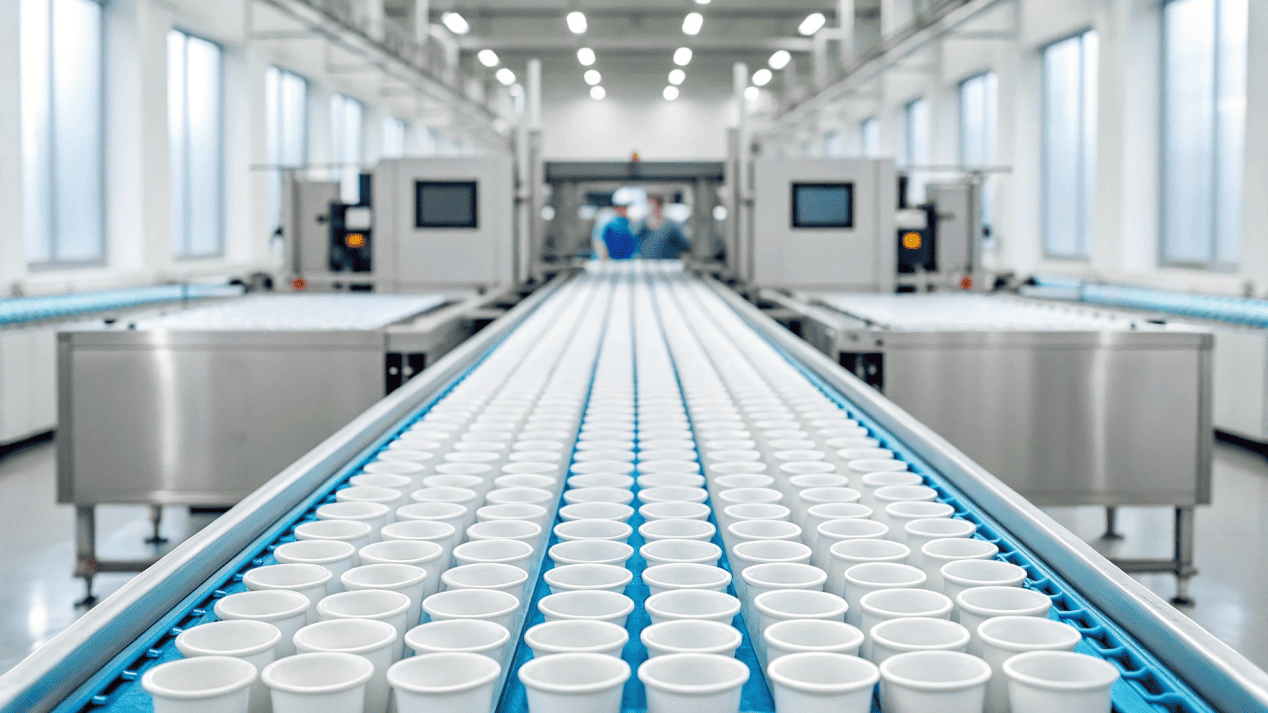
The cup in your customer's hand is an everyday object, but its journey is a marvel of modern engineering. It is a process of incredible speed and precision. As a manufacturer with 21 years of experience, let me take you on a tour of my factory floor to see how a perfect cup is made.
What is the Blueprint for a Perfect Paper Cup?
You want your branding to be perfect and your cups to be strong. Flaws in the initial stage, like poor printing or inaccurate cuts, can make your brand look unprofessional.
The blueprint stage prepares the materials. It involves printing designs with food-safe inks, applying a waterproof PE or PLA coating1, and die-cutting the paper into precise "cup-fan" shapes and bottom circles.
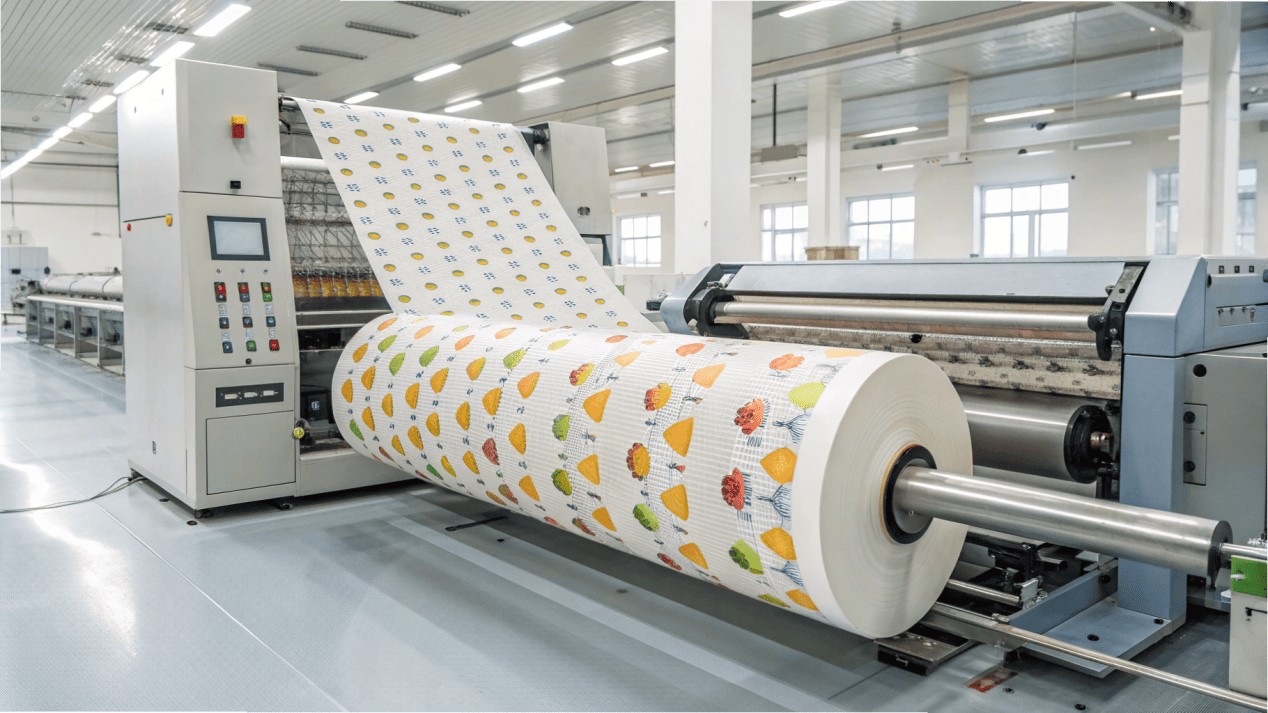
Before a cup can take its three-dimensional shape, its core materials must be perfectly prepared. This is where branding, safety, and structural integrity begin.
1. Custom Printing2
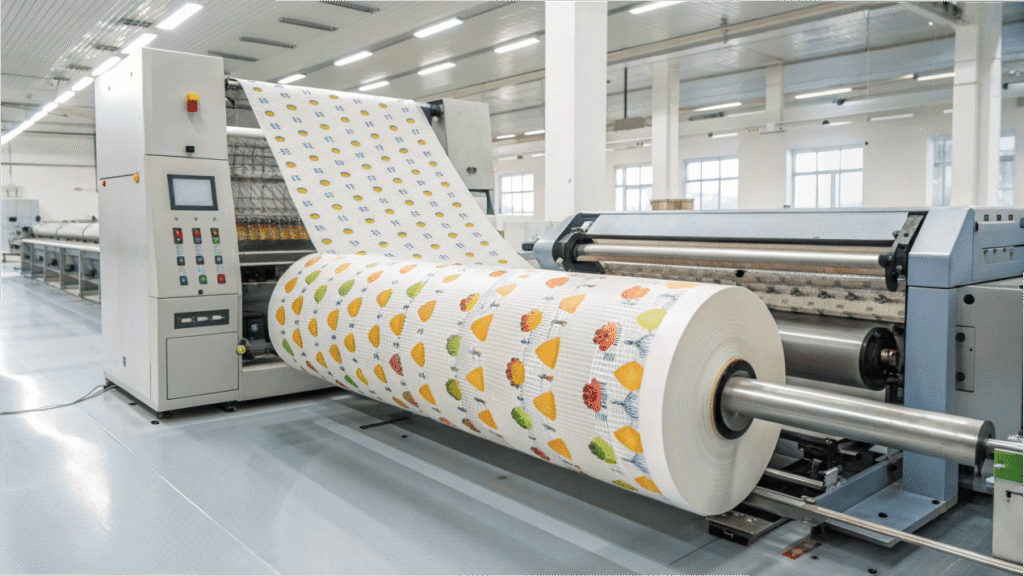
The journey starts with a massive roll of high-quality, FSC-certified paperboard. Your unique brand design is printed onto this paper using high-speed flexographic presses. In my factory, I insist on using only water-based, food-safe inks. This is non-negotiable. It ensures we deliver vibrant, accurate colors for your brand without ever compromising the health of the end-user. The technology we use makes your brand look sharp and professional on every single cup.
2. The Crucial Coating Step3
After printing, the paper is coated. This is the critical step that makes the cup waterproof. We use a high-temperature extrusion process. This bonds an ultra-thin layer of either PE (polyethylene) or PLA (a plant-based, compostable bioplastic) to the paper. Our advanced machinery guarantees a flawless, uniform application with zero pinholes. This is how we ensure a leak-proof and safe barrier for the beverage.
3. Precision Die-Cutting4
Finally, the printed and coated paper is fed into a die-cutting machine. This machine punches out the "cup-fan" shapes for the walls and the small circles for the base with incredible precision. I tell my team that precision here is vital. Even a one-millimeter deviation can compromise the cup's final seal. We also optimize the cutting patterns to minimize paper waste, which aligns with our sustainable mission.
How Do Machines Turn Flat Paper into a Cup?
You need tens of thousands of cups, all identical and perfect. Manual work is impossible, and slow machines lead to high costs and inconsistencies in quality.
High-speed forming machines5 automate the assembly. The flat paper "fan" is wrapped and ultrasonically sealed, the bottom is attached with heat and pressure, and the top rim is rolled for strength and comfort.
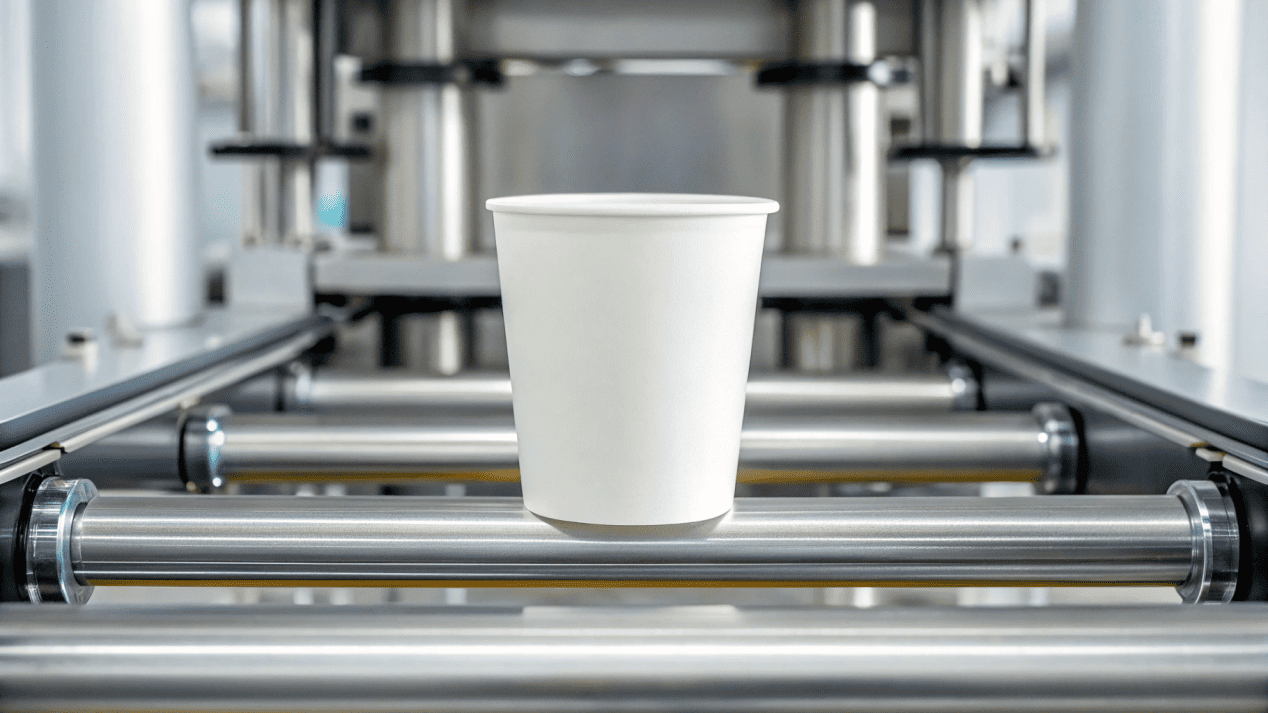
This is where the magic happens. Here, flat pieces are transformed into the familiar cup shape at breathtaking speed. The cup forming machine is the heart of our operation. It is like watching a high-speed ballet of automated actions.
Here is a breakdown of the process:
- Wrapping and Sealing: The machine picks up a "cup-fan" and wraps it into a cone shape. A powerful ultrasonic or heat sealer then fuses the side seam together. We use no glue in this process.
- Attaching the Base: The circular base is inserted and then sealed to the bottom of the cone. This is done with intense heat and pressure, creating a completely watertight bond.
- Forming the Rim: Finally, the top edge of the cup is heated and expertly rolled over. This forms the smooth, rigid rim that makes the cup comfortable to drink from and gives it structural strength.
In my factory, we invest in the latest generation of these machines. They are incredibly fast, producing thousands of cups per hour. More importantly, they are equipped with advanced sensors that check every cup. If any cup does not meet our strict standards for sealing or size, it is automatically rejected.
How Do You Guarantee Every Single Cup is Perfect?
A single leaking cup can ruin a customer's experience and damage their trust. Without strict quality control, flawed products can easily get mixed in with good ones.
A multi-layered quality system is used. Automated machine sensors6 reject flaws instantly. Skilled technicians also perform regular manual checks, like water tests. Finally, the cups are hygienically packed for shipping.
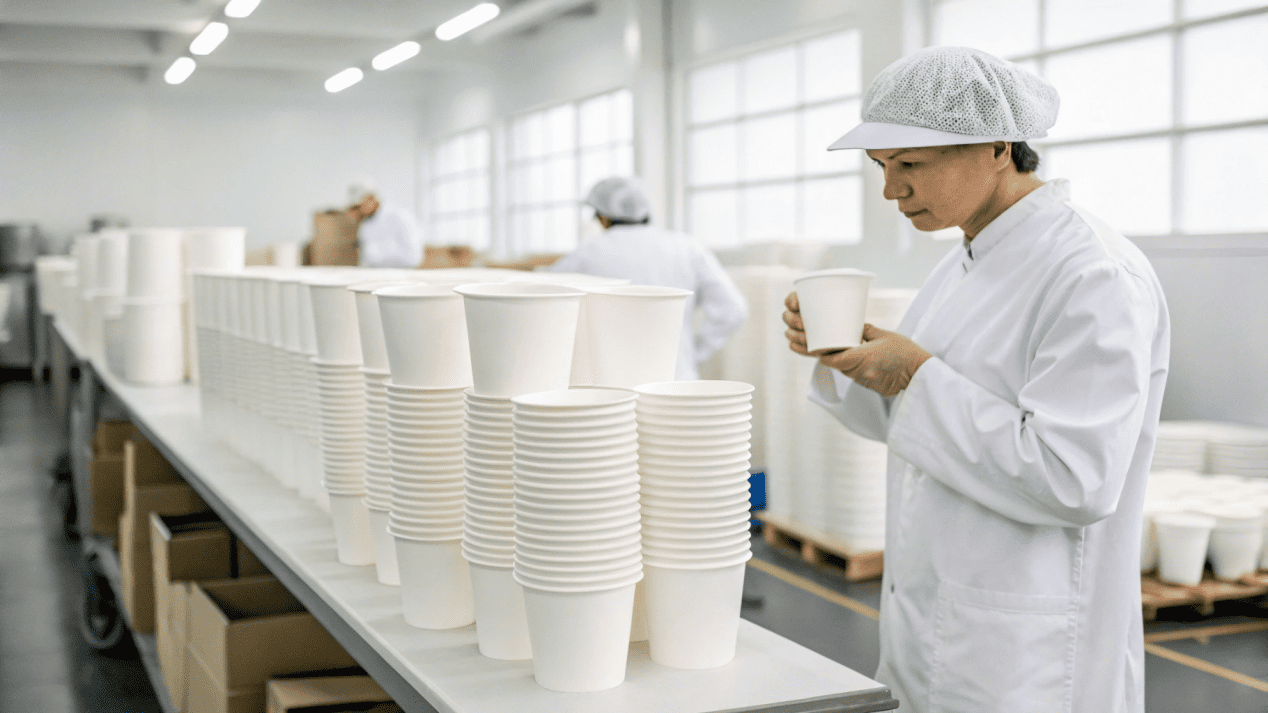
A cup is only as good as its final inspection and how it arrives at your business. This final stage is my personal obsession.
Our Non-Negotiable Quality Checks
Our BRC and ISO certified7 quality management system is part of every step. The machines have their own automated checks, but that is not enough for me. My skilled technicians perform hourly checks on the production line. They pull samples and perform "water tests," where cups are filled and left to stand for a set time. This is our guarantee of leak-proof performance. This dedication to quality is absolute and non-negotiable. It is the foundation of the trust we have built with clients in over 80 countries.
Packaging Built for the Journey
Once approved, the finished cups are automatically stacked, counted, and sleeved in sanitary plastic or paper bags. These sleeves are then packed into durable, double-walled cardboard cartons. Our packaging process is designed for the challenges of international shipping. The cartons are sealed to protect the cups from moisture and compression, ensuring they arrive at your facility in perfect, ready-to-use condition, whether you are across the city or across an ocean.
Conclusion
The simple cup is a high-tech marvel. It combines precision engineering and advanced robotics with a deep commitment to quality, ensuring every cup you receive is absolutely perfect.
Understand the environmental impact and benefits of using PE versus PLA coatings. ↩
Explore how custom printing enhances brand visibility and customer experience with vibrant designs. ↩
Learn about the importance of waterproof coatings in ensuring cup durability and safety. ↩
Discover how precision in die-cutting minimizes waste and ensures perfect cup shapes. ↩
Understand the technology behind high-speed forming machines that revolutionize cup production. ↩
Explore how automation enhances quality assurance and reduces human error in production. ↩
Explore the significance of BRC and ISO certifications in maintaining high manufacturing standards. ↩