
Your customers are asking for eco-friendly options. But terms like "biodegradable" are confusing, and using the wrong cup can damage your brand's reputation for being environmentally responsible.
A truly biodegradable ice cream cup is made from FSC-certified paper1 and is lined with a plant-based bioplastic2 like PLA, not petroleum-based plastic. It must have third-party certifications3 like BPI4 or TÜV to prove it can be composted.
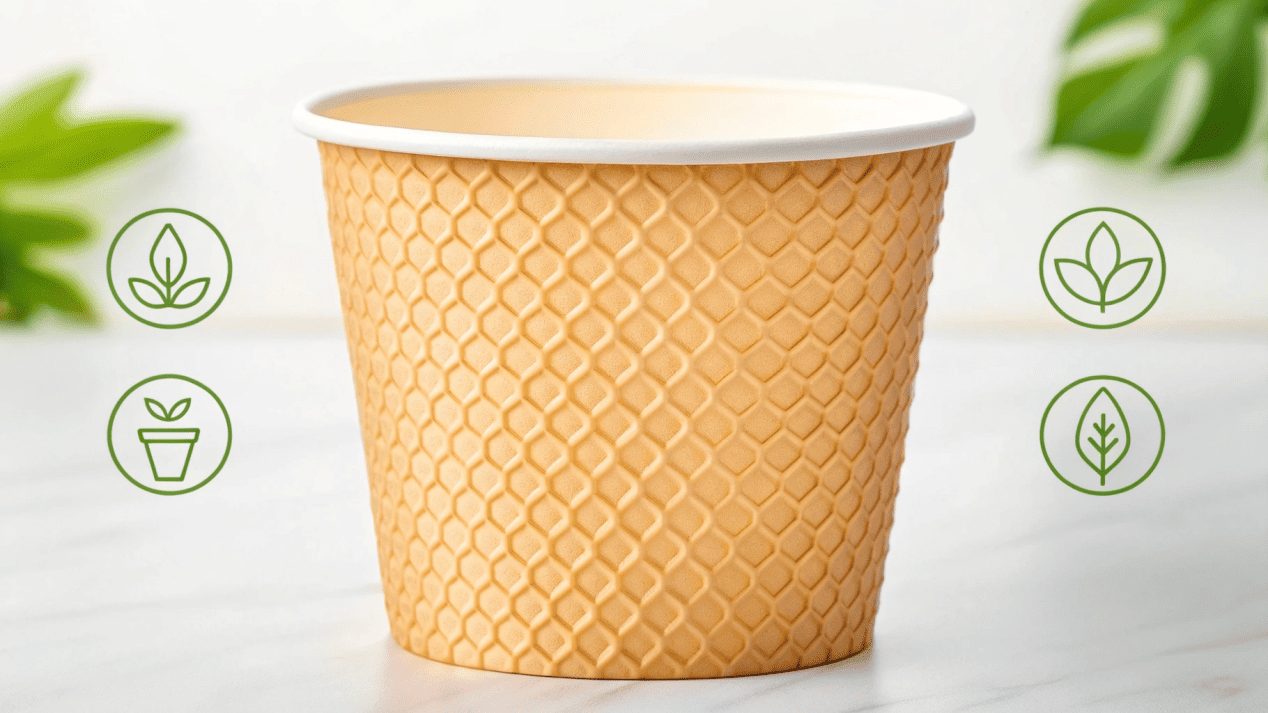
The term "biodegradable" is used everywhere today. But as an engineer, I believe in science, not marketing buzzwords. After 21 years of making packaging, I know that true sustainability is measurable. A responsible choice is not just about feeling good; it's about understanding the specific materials and processes that allow a product to return to the earth safely. Let's break down the real science behind a truly biodegradable ice cream cup.
What Materials Make a Cup Truly Biodegradable?
You think a "paper" cup is eco-friendly, but its hidden plastic lining means it will last for centuries. This makes your good intentions contribute to landfill waste5.
The key is using the right materials: FSC-certified paper1 for the cup's body and a plant-based PLA (Polylactic Acid6) lining for waterproofing, which replaces the traditional non-degradable PE plastic.
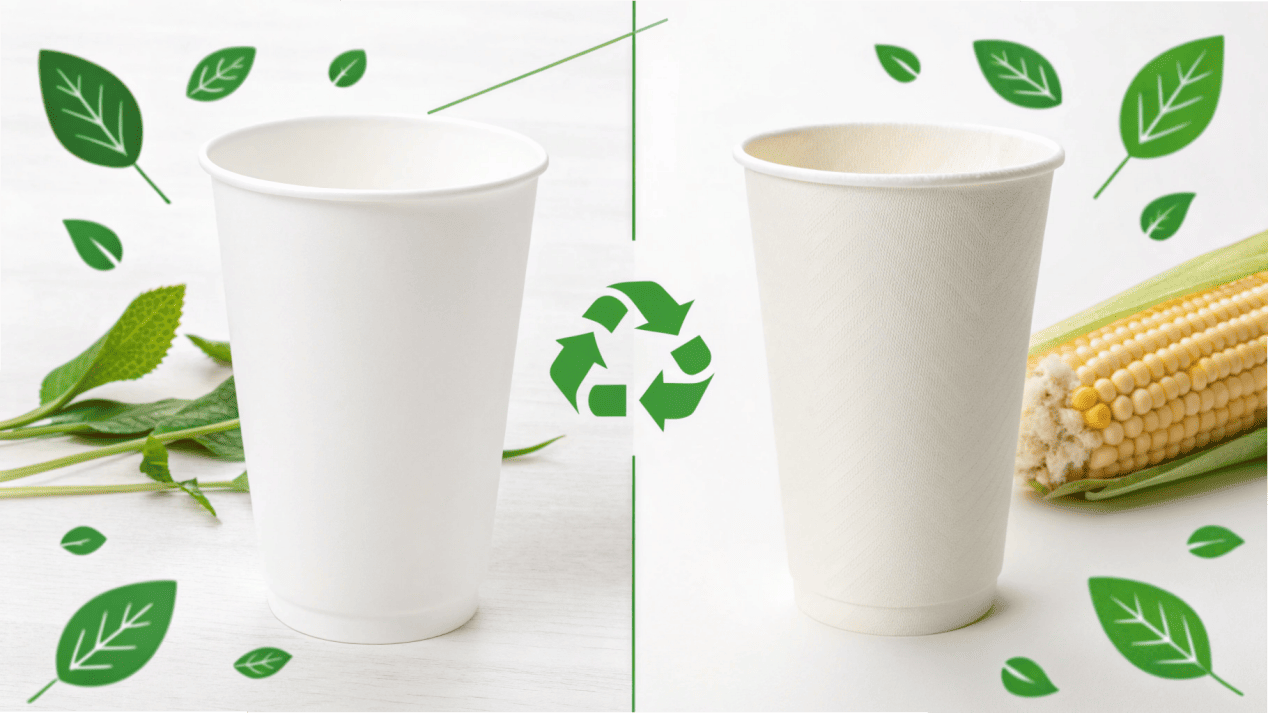
It all starts with the raw materials. A truly biodegradable cup has two critical components, and both must be sustainable.
1. The Paper Structure
The body of the cup must come from a responsible source. That is why we engineers in the industry prioritize paperboard that is FSC (Forest Stewardship Council) certified. This is not just a sticker; it's a guarantee. It proves the wood pulp comes from forests that are managed to protect biodiversity, prevent deforestation, and support the local communities that depend on them.
2. The Waterproof Lining
This is the most important part. Traditional cups are coated with a thin layer of polyethylene (PE) plastic to hold liquids. This oil-based plastic is the primary reason why normal paper cups are just trash. The modern, eco-friendly solution is to replace it with a bioplastic. The gold standard is PLA (Polylactic Acid6), a polymer made from renewable resources like corn starch.
| Feature | PE Lining (Traditional) | PLA Lining (Biodegradable) |
|---|---|---|
| Source | Petroleum (fossil fuel) | Corn Starch (renewable) |
| End of Life | Landfill (lasts 400+ years) | Composts into soil in months |
| Label | Plastic | Bioplastic / Compostable |
How Can You Prove Your Ice Cream Cup Is Biodegradable?
Any company can print "eco-friendly" or "green" on a cup. Without proof, these claims are meaningless and can expose your business to accusations of "greenwashing7," damaging customer trust.
You prove it with third-party certifications3 from globally recognized institutes like BPI4 (for North America) and TÜV AUSTRIA8 (for Europe). These certifications are your undeniable evidence that the product is truly compostable9.
In a world full of false "green" claims, proof is everything. Third-party certifications are the only way to verify that a product meets strict international standards. They are a promise from a neutral expert that your cup will perform as advertised.
Key Certifications to Demand
Here are the essential logos you should look for on your supplier's documentation:
- BPI4 (Biodegradable Products Institute): This is the leading authority in North America. A BPI4 certification guarantees that a product is compostable9 in approved industrial composting facilities.
- TÜV AUSTRIA8 (OK compost): This is the European gold standard. It has different levels, including "OK compost INDUSTRIAL" and "OK compost HOME," which verify a product will break down in either a large-scale facility or a backyard compost pile.
- Food Safety (FDA, BRC): A cup must be 100% safe for food. Certifications like these guarantee that no harmful chemicals will transfer into your delicious ice cream.
When my company, HAOKELAO, provides you with cups, we also provide these certified documents10. This gives you the confidence and the proof to share with your own customers.
What Does 'Compostable' Actually Mean for Your Cups?
The words "biodegradable" and "compostable9" are often used as if they are the same. But they mean very different things, and confusing them can mislead your customers and hurt your credibility.
"Compostable" is a much higher standard. It means the cup will break down into nutrient-rich soil (humus11) in a specific timeframe, typically under 180 days, in a controlled commercial composting facility.
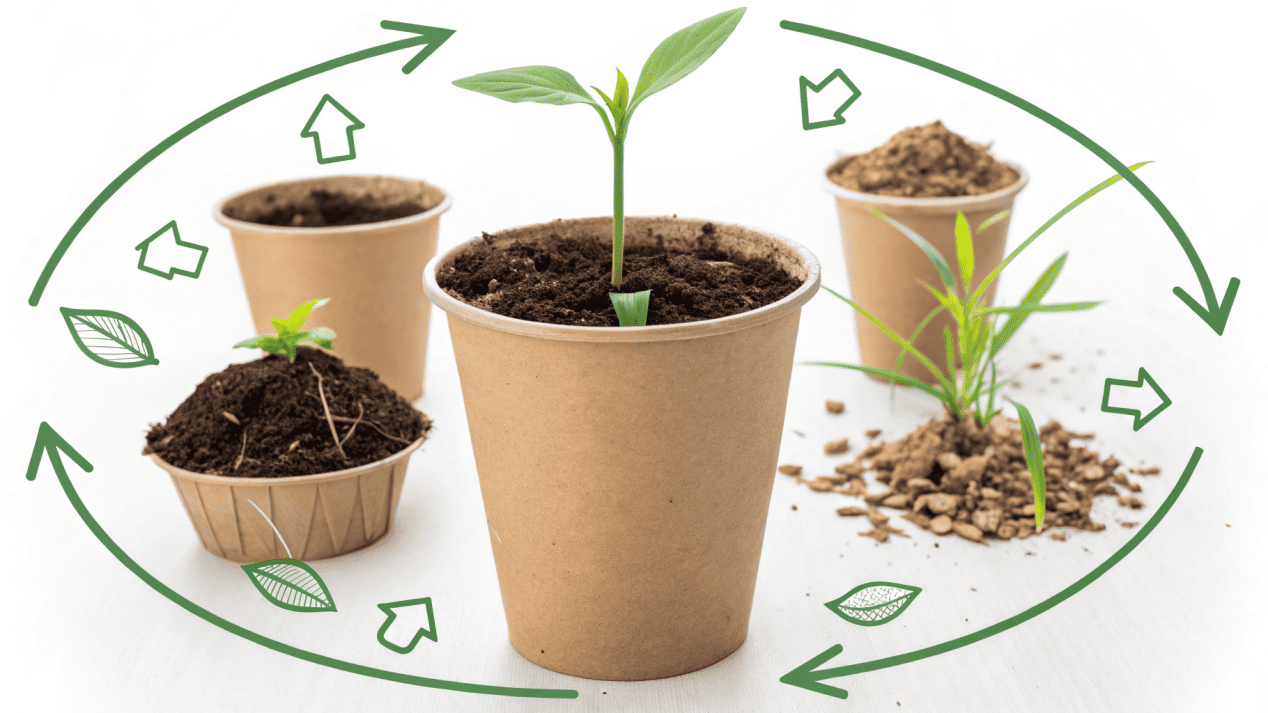
Let’s be precise, as an engineer loves to be. "Biodegradable" simply means something can be broken down by microorganisms over time. But this "time" is not defined—it could be hundreds of years. A plastic bottle is biodegradable, eventually. "Compostable" is the term that really matters.
A product certified as compostable9 is guaranteed to break down under specific conditions into a valuable, non-toxic organic material called humus11. In a commercial composting facility, the controlled heat and microbial environment efficiently break down our PLA-lined cups—both the paper and the lining—into soil. This process "closes the loop." It turns waste from your shop into a valuable resource for agriculture. That's why it is important to have clear labeling, like "Commercially Compostable," on the cup. It educates your customers on how to dispose of it correctly to complete its sustainable journey.
Why Is Choosing a Biodegradable Cup a Smart Business Move?
You might see eco-friendly packaging as just an extra cost for your business. But sticking with old plastic-lined cups makes your brand look outdated and risks losing modern, conscious consumers.
Choosing biodegradable cups is a powerful business strategy. It attracts millions of eco-conscious customers12, enhances your brand value, and gives you a clear competitive edge13 in a crowded market.

Choosing biodegradable cups is more than just an environmental choice; it is one of the smartest business moves you can make today. Here is why:
1. Attract Modern Consumers
Studies show again and again that customers, especially younger generations like Millennials and Gen Z, actively prefer to buy from brands that show genuine environmental responsibility14. They will choose you over a competitor because of your packaging.
2. Enhance Your Brand Value
Using certified biodegradable packaging instantly elevates your brand. It sends a clear message: you are a modern, high-quality business that cares about more than just profits. It builds respect and loyalty.
3. Create a Competitive Edge
In a marketplace full of ice cream shops, sustainability is a powerful way to stand out. It can be the one deciding factor that brings a family to your shop instead of the one down the street. From my experience with partners in over 80 countries, I can tell you this is true. The businesses that embrace real sustainability grow faster.
Conclusion
A certified biodegradable cup is a statement of your values. It is a mark of quality backed by science and a smart business decision that customers will reward.
Understanding FSC-certified paper helps ensure your packaging is sourced responsibly, supporting sustainable forestry practices. ↩
Explore how plant-based bioplastics like PLA can reduce environmental impact and enhance product sustainability. ↩
Learn about the importance of third-party certifications in verifying the compostability of your products. ↩
Discover how BPI certification guarantees that products meet composting standards, enhancing consumer trust. ↩
Understand the impact of traditional packaging on landfill waste to motivate a shift towards sustainable options. ↩
Learn about PLA, a renewable resource, and its role in creating eco-friendly packaging solutions. ↩
Explore the concept of greenwashing to protect your brand's reputation and ensure genuine sustainability. ↩
Understand the significance of TÜV AUSTRIA certification in ensuring your products are truly compostable. ↩
Clarify the distinction between compostable and biodegradable to make informed choices for your products. ↩
Explore the necessity of certified documents in proving the sustainability claims of your products. ↩
Understand the role of humus in enriching soil and how compostable products contribute to this process. ↩
Gain insights into the preferences of eco-conscious consumers to better align your products with their values. ↩
Learn how adopting biodegradable packaging can differentiate your brand and attract more customers. ↩
Learn how demonstrating environmental responsibility can enhance your brand's reputation and customer loyalty. ↩