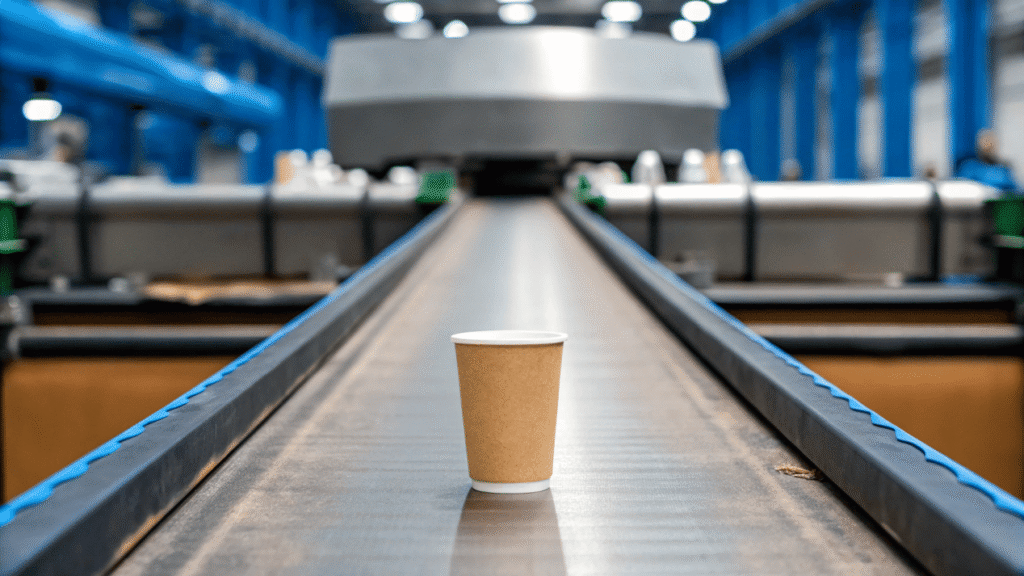
You choose a paper cup to be eco-friendly. But is it? The truth is, that cup is likely headed for a landfill, where it will cause harm for centuries.
Standard paper coffee cups1 are bad for the environment because they are lined with plastic. This makes them a mixed material2 that cannot be processed in standard paper recycling systems3, leading to landfill waste4.
It is a daily ritual for millions of people. We choose "paper" because it feels like a responsible choice compared to foam or plastic. As an engineer in this industry for over 20 years, I can tell you the uncomfortable truth: the standard paper cup has a big environmental footprint. I believe in being honest. Facing this truth is the only way for us to drive real innovation. Let's break down the hidden problem.
What's the Real Problem with a Plastic Cup Lining?
You think the problem is just the plastic itself. But the real issue is how it is bonded to the paper. This simple fact is what changes everything for recycling.
The plastic lining5 fuses with the paper fibers, creating a mixed, composite material. Standard paper recycling mills are not designed to separate these two materials, making the entire cup non-recyclable.
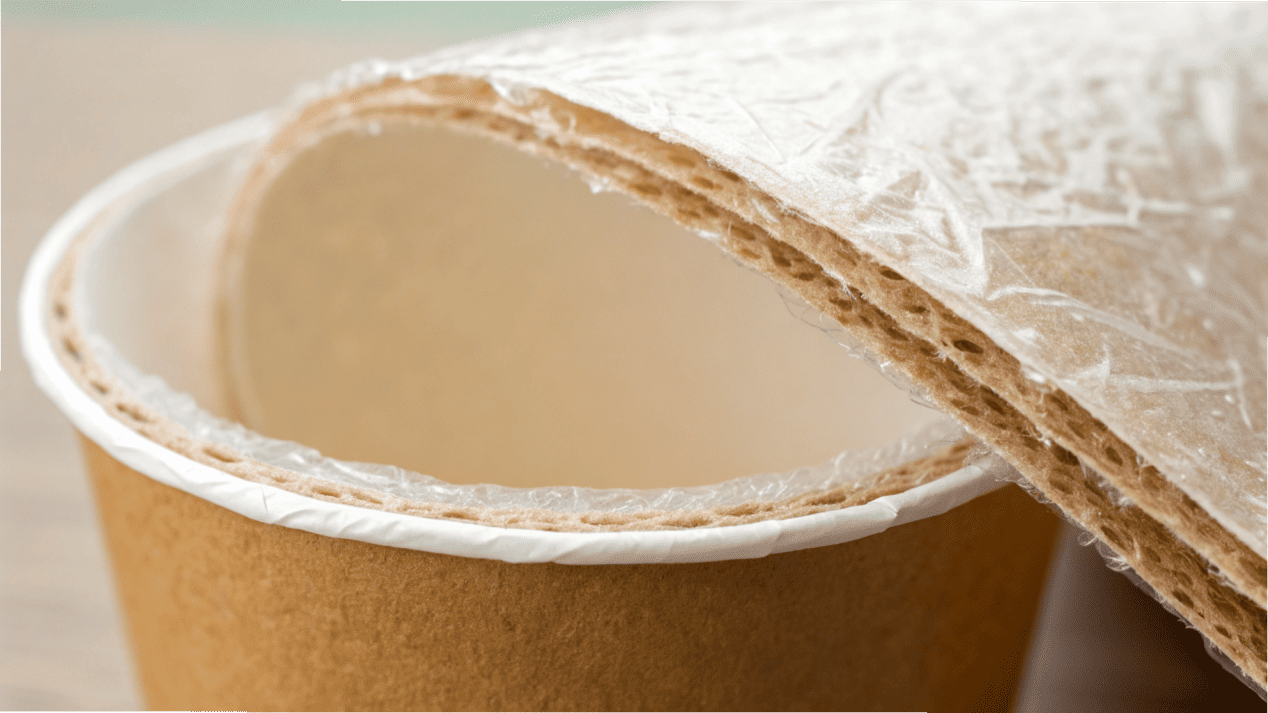
A cup made of only paper would fall apart the moment you poured hot coffee into it. To stop this, nearly all conventional paper cups are lined with a micro-thin layer of polyethylene (PE). This is a petroleum-based plastic. This lining does its job perfectly. It waterproofs the cup and allows the seams to be sealed with heat, which prevents leaks. The problem is that this fusion of paper and plastic creates a huge challenge. It is no longer "just paper." It is a composite product. To a recycling machine, it is like trying to recycle paper that has been permanently glued to a plastic bag. Standard machines simply cannot handle it. This is the core of the issue, and it's a problem I have spent years working to solve.
Where Do Billions of Coffee Cups Actually End Up?
You put your used coffee cup in the recycling bin, feeling good about your choice. But you don't see what happens next. The reality is disappointing and harmful to our planet.
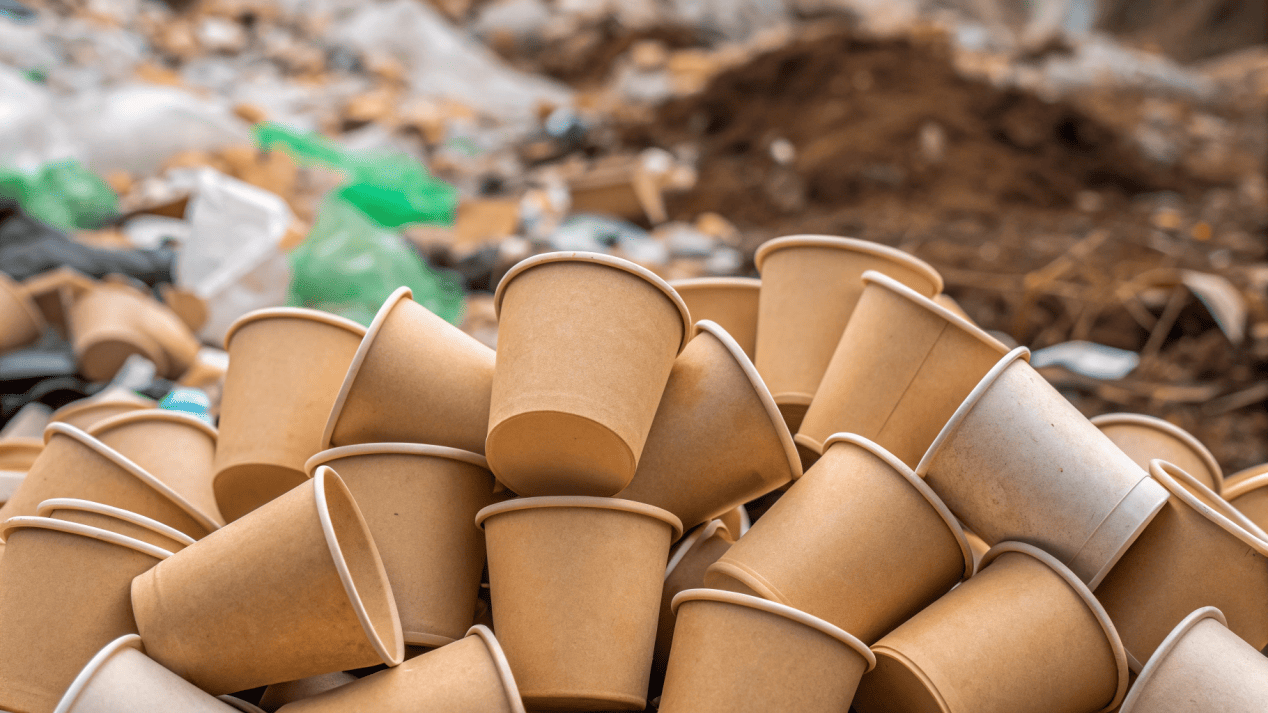
The vast majority of the billions of paper cups used globally each year end up in landfills. They are sorted out of the recycling stream and treated as trash because of their plastic lining5.
Because they are a composite material, very few paper cups are ever recycled. Their final destination is almost always a landfill. What happens there is a two-part environmental problem.
- The Paper Part: Buried in a landfill without oxygen, the paper component breaks down and releases methane6. Methane is a greenhouse gas that is over 25 times more powerful than carbon dioxide at trapping heat in the atmosphere.
- The Plastic Part: The plastic lining5 does not biodegrade. It slowly breaks down over hundreds of years into smaller and smaller pieces. We call these microplastics7. These tiny plastic particles can contaminate soil and wash into our rivers and oceans.
So, even when a well-intentioned person recycles their cup, it is almost certain to be filtered out and sent to the landfill to cause these problems. As a manufacturer, I find this unacceptable.
Can't We Just Separate the Paper and Plastic?
It seems like a simple question. Why not just build a machine to separate the two materials? But the answer is not simple. It is about technology, economics, and infrastructure.
While a few specialized facilities can separate the materials, they are very rare and expensive. For over 99% of recycling systems3, the cups are a contaminant that clogs machinery and lowers the quality of recycled paper.
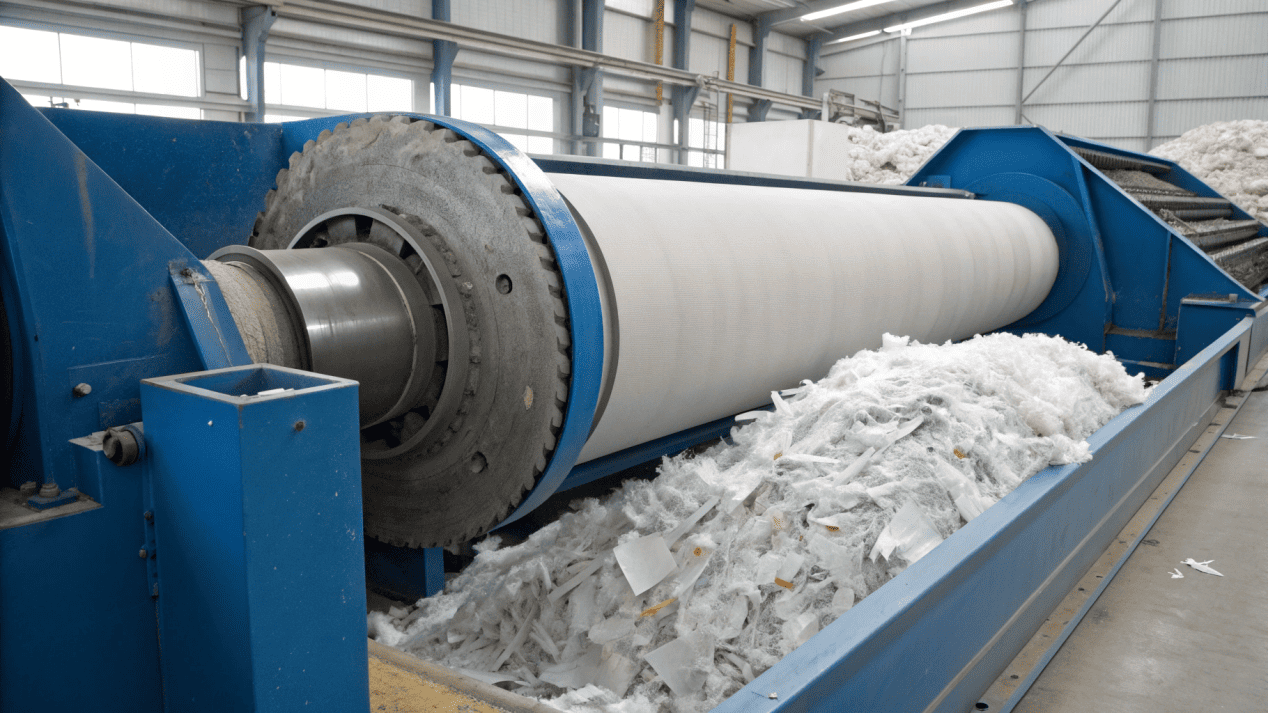
This is the recycling paradox8. Is it technically possible? Yes. Is it practically possible for most cities in the world? No. A standard paper recycling mill uses a giant machine called a "repulper." It mixes paper with water to create a pulp. When PE-lined cups go into this machine, the paper gets soft, but the plastic lining5 does not. It breaks into little pieces that gum up the machinery. It contaminates the final recycled paper pulp, making it a lower quality product. Because of this, most recycling centers simply cannot accept them. Even the "compostable" cups lined with PLA plastic have the same issue. They require special industrial composting facilities that are also not widely available. This is why a new approach was needed.
So What's the Real Solution to This Problem?
You are aware of the problem and feel frustrated. You want a better option for your business and your customers. The good news is, after years of research, the solution is here.
The real, practical solution is a new technology: water-based barrier coatings9. These replace the plastic lining5, making the entire cup truly recyclable in standard, existing paper recycling facilities.
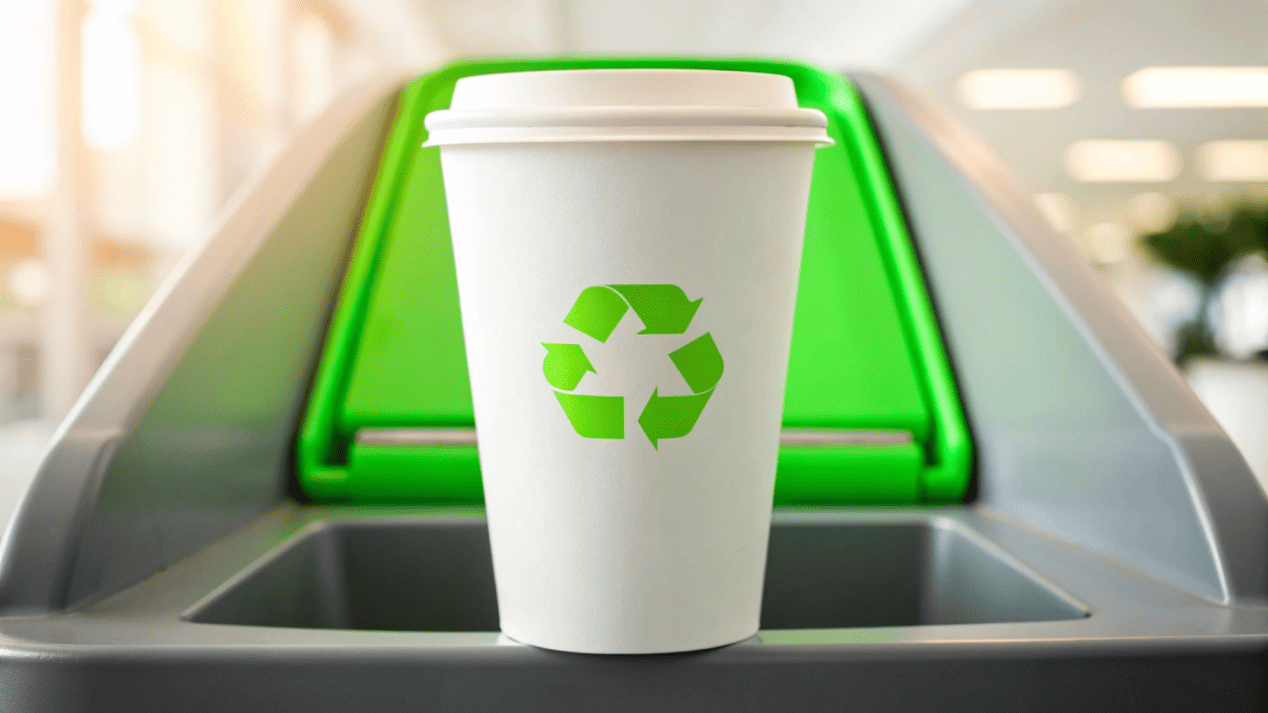
My company has pioneered the use of these innovative water-based dispersion coatings. Think of it like a special kind of paint instead of a plastic film. This coating provides the same excellent waterproof and heat-sealing performance your business needs. But here is the critical difference: it is genuinely plastic-free. Because there is no plastic film to separate, our cups are designed to be easily processed in standard paper recycling systems3. They can be tossed into the paper recycling bin alongside cardboard and newspaper. The paper fibers can be successfully recovered and turned into new products. This is what we call "closing the loop." By choosing this technology, you are not just reducing plastic; you are participating in a true circular economy10. You are giving the paper fiber a chance at a second life.
Conclusion
The old paper cup is a flawed design. The solution is not better sorting, but a better cup. New plastic-free coatings make cups truly recyclable and sustainable for our future.
Understanding the environmental impact of paper coffee cups can help you make more sustainable choices. ↩
Discover why mixed materials like paper and plastic are problematic for recycling systems. ↩
Explore the challenges recycling systems face with composite materials and their solutions. ↩
Find out the long-term environmental effects of paper cups ending up in landfills. ↩
Learn how plastic lining affects recycling and contributes to environmental issues. ↩
Understand the role of methane in climate change and its connection to paper waste. ↩
Learn about microplastics, their sources, and their impact on the environment. ↩
Understand the complexities of recycling paper products with plastic components. ↩
Discover innovative solutions like water-based coatings that make cups recyclable. ↩
Explore the concept of a circular economy and its importance for sustainable packaging. ↩