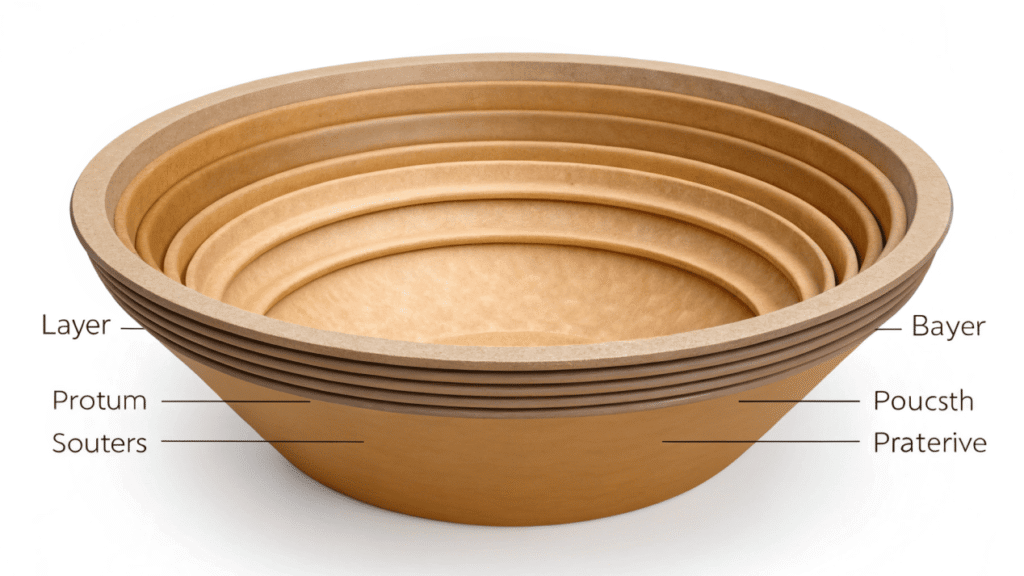
You see the high price of quality paper bowls and question the expense. This can lead you to choose cheaper options that put your brand's reputation at risk.
Paper bowls are expensive due to high-grade raw materials like 100% virgin pulp1 and waterproof coatings2. Their complex, multi-stage manufacturing process3, combined with soaring global demand4 and logistics costs5, all contribute to their final price.
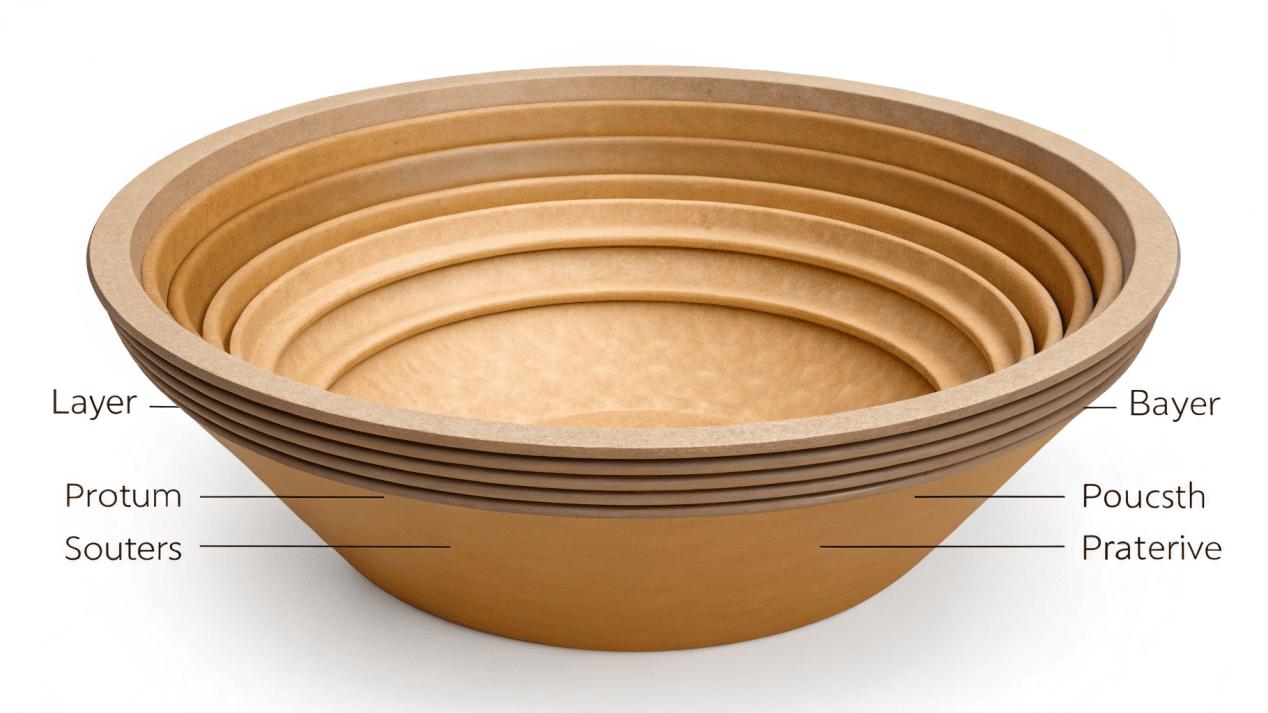
Many business owners I talk to scrutinize every single expense. So, when they see the price of something as basic as a paper bowl, it's natural to ask: "Why does it cost this much?" The price of a quality paper bowl might seem higher than you expect, but it reflects a complex story of safety, engineering, and global economics. As someone who has spent over 21 years in this industry, I believe in transparency. Understanding the "why" behind the cost helps you make smarter choices. Let's break down the hidden factors that create the true value of a reliable paper bowl.
What Makes the Paper Itself So Costly?
You might think paper is just paper, so why the high cost? But using cheap, non-food-grade paper6 can leach chemicals into food, creating a safety nightmare for your brand.
The cost comes from 100% virgin wood pulp, which is required for food safety7 and is more expensive than recycled paper. Plus, a necessary waterproof coating, like PE or eco-friendly PLA8, adds another significant cost.
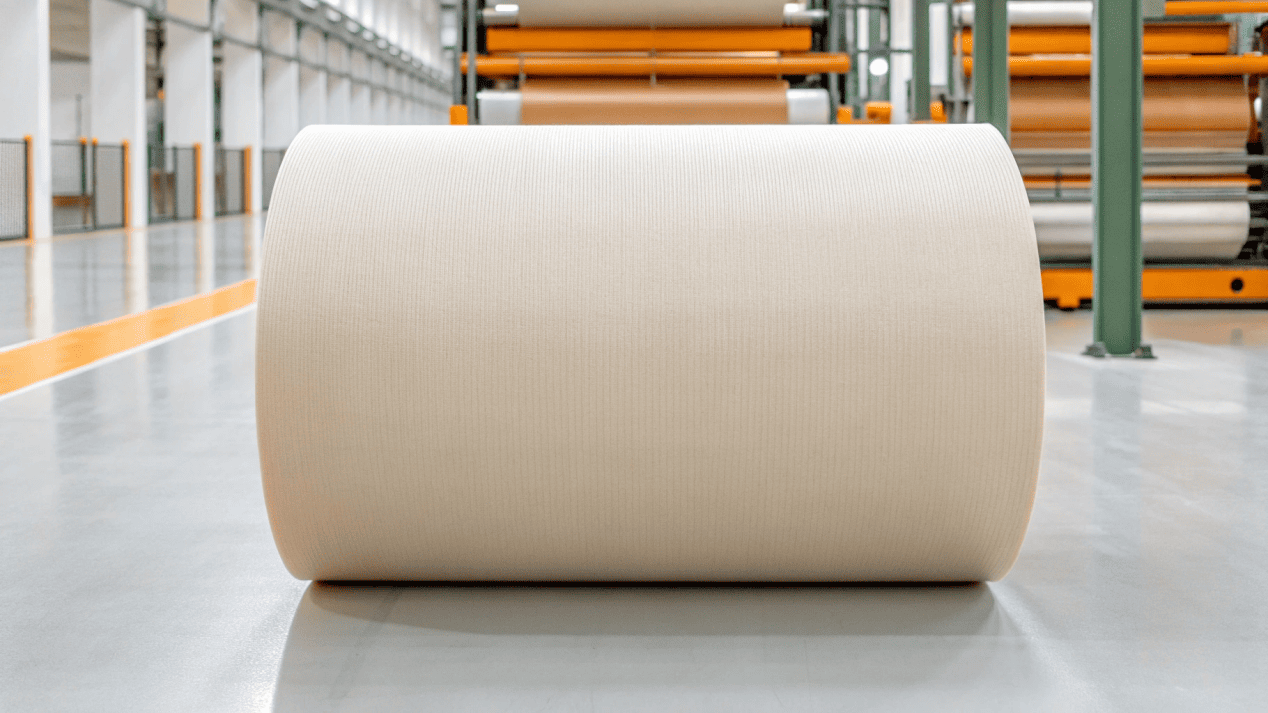
A paper bowl isn't made from just any paper. It's a specialized product engineered for performance and safety. I always explain to my partners that two key material factors drive the cost.
The Need for Purity
First, to be safe for direct contact with food, the bowl must be made from 100% virgin wood pulp. This is non-negotiable. It ensures there are no recycled contaminants, old inks, or harmful chemicals that could get into the food. This high-purity material is naturally more expensive than standard or recycled paper stock that you might find in other products. You are paying for the guarantee of safety.
The Essential Waterproof Barrier
Second, paper absorbs liquid. To hold hot soup or melting ice cream without turning into a soggy mess, it needs a waterproof lining. This is usually a PE (polyethylene) plastic coating. A more eco-friendly option is a PLA (polylactic acid) bio-plastic coating, which is compostable. Both of these coatings require a separate, precise manufacturing step and add significant cost to the raw material. The PLA option, being a premium sustainable material, costs even more.
Isn't It Just a Simple Folded Bowl?
A paper bowl looks simple, so you assume it's cheap to make. But that assumption ignores the precision engineering9 needed to prevent leaks that can ruin a customer's experience.
Far from simple, it's a multi-stage process. Machines must print, cut, form the body, heat-seal the seam, and then fuse the bottom on with heat and pressure to create a perfect, leak-proof seal.
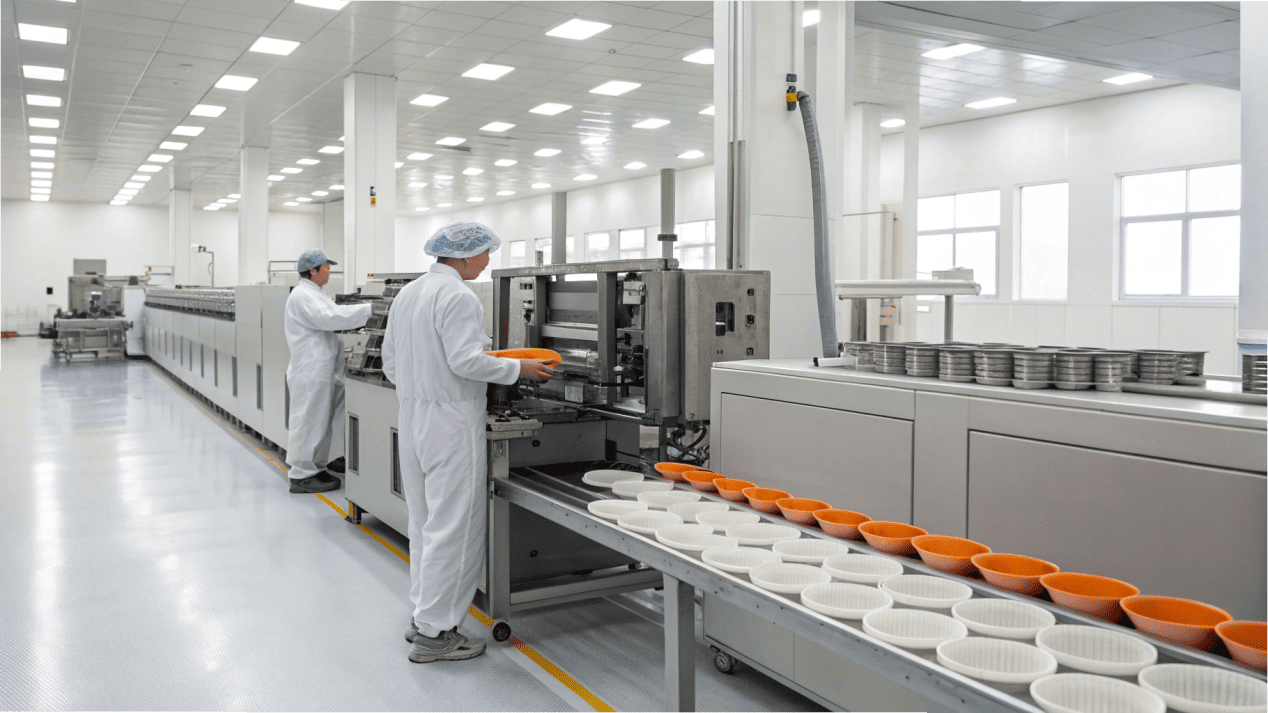
As a mechanical engineer, this is the part that fascinates me. Transforming a flat sheet of paperboard into a sturdy, leak-proof bowl is a feat of high-speed, precision engineering9. It is worlds away from just folding a paper box. Every single bowl goes through an automated assembly line with several critical steps. Any error at any stage can result in a defective batch. The complexity and the need for expensive, specialized machinery contribute significantly to the cost. It's a process that requires constant calibration and quality control.
| Manufacturing Step | Action | Why It's a Critical Cost |
|---|---|---|
| 1. Printing & Die-Cutting | High-resolution graphics are printed, then "fans" are cut. | Requires precise machines to ensure brand consistency and correct shape. |
| 2. Body Forming | The fan is wrapped around a mold and heat-sealed. | High-speed machinery and energy costs for the heat seal. |
| 3. Bottom Sealing | A base circle is inserted, heated, and "knurled" (fused). | This is the most critical step to prevent leaks; requires immense precision. |
| 4. Rim Curling | The top edge is tightly rolled to create a smooth, strong rim. | Provides structural integrity and a safe, comfortable user experience. |
How Does the Global Market Affect Your Bowl's Price?
You try to budget for your packaging. But prices keep rising due to global factors outside your control, making it hard to plan your expenses effectively.
The global shift away from plastics has caused a massive surge in demand for paper alternatives. This high demand, with a limited supply of certified raw materials, has driven up prices for everyone.
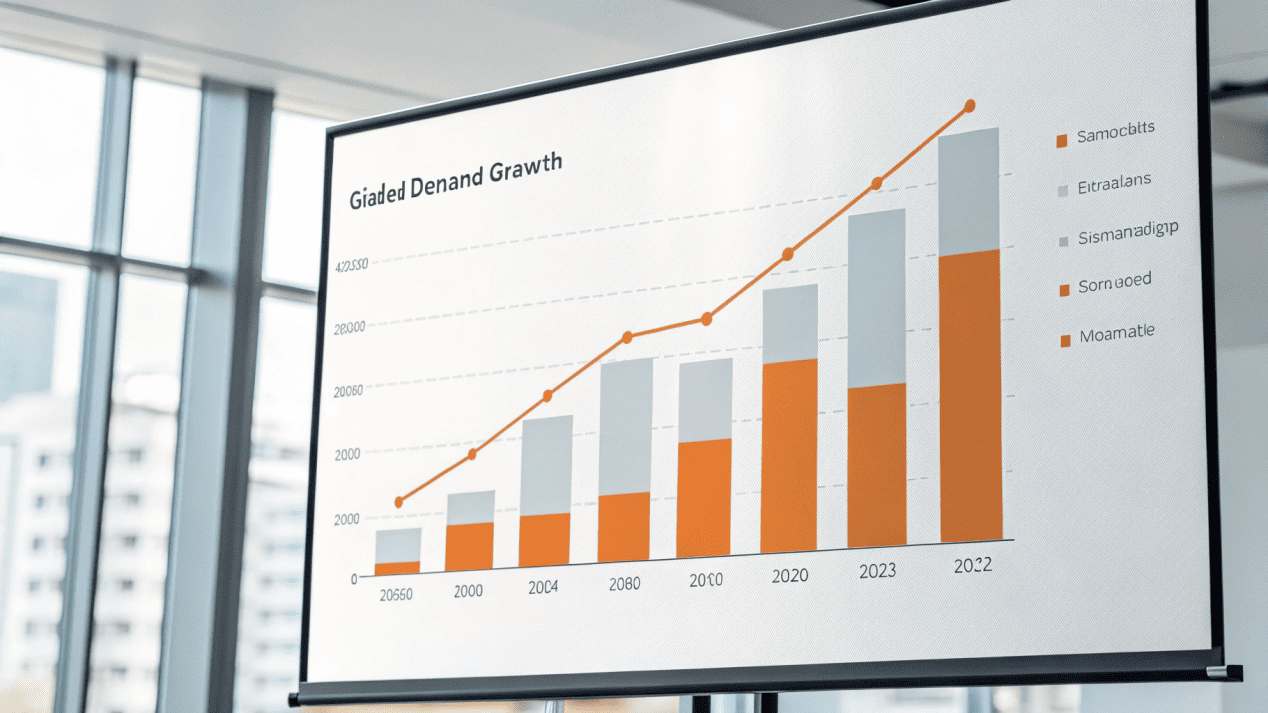
In my 21 years in this industry, I have never seen a demand shift like the one we are seeing now. The world is rightly moving away from single-use plastics like Styrofoam. This is great for the environment, but it has created an unprecedented global surge in demand for paper-based alternatives, including paper bowls. This has become a classic case of supply and demand economics. The demand for high-quality, food-grade wood pulp and the eco-friendly PLA8 coating has grown much faster than the available supply from certified, sustainable sources10.
A Victim of Its Own Success
Because paper packaging is now so popular, it has strained the entire supply chain11. When demand surges like this and the supply of raw materials is tight, the price for those materials inevitably goes up. This isn't a choice made by one manufacturer; it's a global market trend that affects everyone in the industry, from the pulp mill to my factory to your business. This directly impacts the final cost of the product you buy.
Are There Hidden Costs Before the Bowl Is Even Made?
You calculate the material and manufacturing costs. But your final bill is higher than expected due to hidden fees from shipping, tariffs, and compliance that you didn't account for.
Yes. Raw materials are often imported, incurring tariffs and volatile shipping costs. Furthermore, the cost of maintaining essential food-safety certifications like FDA, BRC, and ISO adds to the final price.
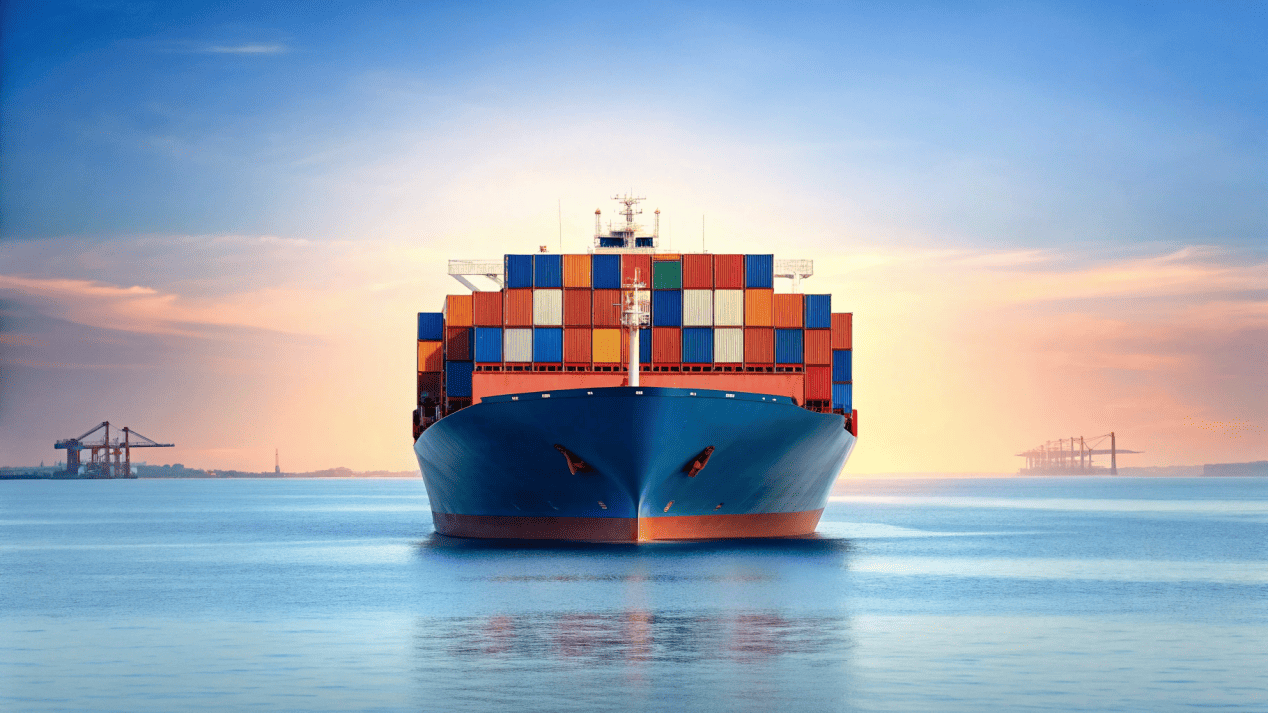
The journey of a paper bowl from a forest to your front door is a global one, and it comes with costs that aren't always visible. These costs are added before a single bowl is even made in my factory.
The Journey from Forest to Factory
The best raw materials, like specific types of wood pulp or PLA resin, are often sourced internationally. Depending on trade policies between countries, we have to pay import tariffs on these materials. These taxes can add a significant percentage to the material cost. On top of that, global shipping and freight costs have become very expensive and unpredictable in recent years.
The Price of Trust
Finally, there is the cost of compliance. Certifications like FDA, BRC, and ISO are not just logos we put on our website. I tell my clients to think of them as an insurance policy. They represent a deep investment in clean facilities, strict processes, regular audits, and rigorous safety testing. While these certifications add to overhead costs, they are your non-negotiable guarantee that your packaging is safe, hygienic, and meets international quality standards.
Conclusion
A quality paper bowl is a complex product. Viewing its price as an investment in safety, brand protection, and professional image is key to making the right business choice.
Understanding the significance of 100% virgin pulp can help you appreciate its role in food safety. ↩
Explore the different waterproof coatings to see how they enhance the functionality of paper bowls. ↩
Learn about the intricate manufacturing process that ensures the quality and durability of paper bowls. ↩
Explore the impact of global demand on pricing and availability of paper products. ↩
Explore how logistics play a crucial role in the final cost of paper products. ↩
Discover the reasons behind the higher costs of food-grade paper and its importance for safety. ↩
Understanding food safety can help you make informed choices for your business. ↩
Find out how eco-friendly PLA contributes to sustainability in packaging. ↩
Understanding precision engineering can give insights into the quality assurance of paper bowls. ↩
Find out how sustainable sourcing impacts the environment and product quality. ↩
Learn about the complexities of the supply chain that influence paper bowl costs. ↩